Key Takeaways
- Payment friction is the #1 bottleneck in 2026. Choose a platform that offers escrow-backed or milestone-based payments, not just net-30 invoicing.
- AI matching is only as good as the data it uses. Look for platforms that analyze audience overlap and brand affinity, not just follower counts or hashtags.
- Structured offer management saves weeks per campaign. Avoid platforms that rely on DMs, PDFs, or email threads for briefs and approvals.
- A smaller, verified creator pool outperforms a massive, unvetted database. Quality of matches matters more than quantity of profiles.
Table of Contents
- Why "Discovery-First" Platforms Are Failing Brands in 2026
- The Three Pillars of a Modern Influencer Marketing Platform
- AI-Assisted Matching: Where It Helps (and Where It Doesn't)
- The Payment Revolution: Why Escrow Is the New Standard
- How to Evaluate a Platform: A Checklist for 2026
- Common Mistakes Brands Make When Adopting a Platform
- For Creators: What to Look for in a Brand-First Platform
- The Future of Influencer Marketing Platforms (2027 and Beyond)
- Frequently Asked Questions
- Further Reading
That old "spray and pray" approach to finding influencers? Dead. I've watched brands burn months scrolling through massive databases, firing off cold DMs, chasing creators who never even reply. And when they finally land a deal? The real nightmare begins. PDF briefs. Email threads with 47 revisions. Net-60 invoices that make creators walk.
Here's what most platforms won't tell you: finding creators was never the hard part. The hard part is closing deals and paying people without friction.
The Influencer Marketing Hub Benchmark Report 2026 says 73% of brand marketers now call "payment and contract friction" their #1 operational bottleneck. That's right. Delayed payments, manual invoicing, wire fees. They cause more headaches than discovery or vetting combined.
A modern influencer marketing platform needs to unify discovery, structured offers, approvals, and secure payments into one workflow. Anything less? Just a fancy search engine.
Let's get into what actually matters in 2026.
Why "Discovery-First" Platforms Are Failing Brands in 2026
The myth of the massive creator database
Most platforms brag about having "millions of creators." Sounds impressive, right? Here's the problem: only 15-20% of those profiles are actually active or responsive. The rest are ghost accounts, inactive profiles, or creators who abandoned the platform years ago.
I've seen brands spend three weeks filtering through 50,000 profiles only to find 12 viable matches. That's not efficiency. That's noise.
A curated, verified marketplace beats a massive, unvetted database every time. When a platform hosts only verified and active profiles, you're not hunting through garbage. You're browsing a shortlist that's already been pre-qualified.
The real cost of manual vetting
Let's talk about time. Manual vetting takes hours per creator. You check their engagement rate, scroll through their content, verify their audience demographics, and cross-reference their past brand deals. Multiply that by 50 candidates, and you've burned an entire work week.
But time isn't the only cost. There's risk too. I've watched brands partner with creators who bought followers, faked engagement, or posted content that violated brand safety guidelines. The damage to reputation? Priceless.
Why verification matters more than follower count
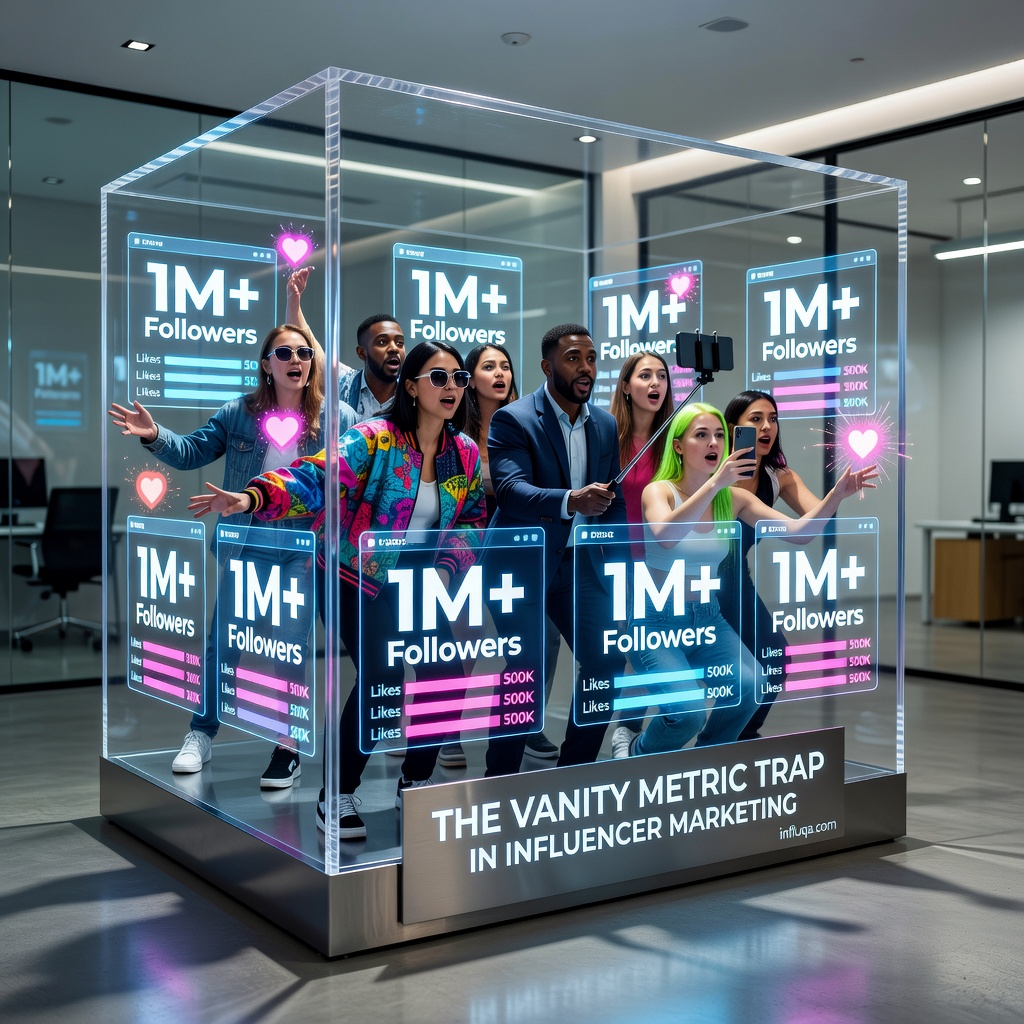
Here's what I tell every brand I work with: follower count is a vanity metric. Verification is a trust metric.
A verified creator has proven their identity, their audience is real, and their content meets quality standards. When a platform vets creators before they join, you skip the detective work. You start campaigns faster. You sleep better at night.
According to eMarketer's Creator Economy Trends 2026, over 40% of enterprise brands now use AI-powered matching tools that go beyond follower count. They analyze audience overlap, brand affinity scores, and past campaign performance. Spreadsheet-based selection is dying. Good riddance.
The Three Pillars of a Modern Influencer Marketing Platform
Pillar 1: Structured offer management (no more DMs or PDFs)
Imagine this. You find a creator on Instagram. You slide into their DMs. You send a PDF brief. They ask three questions you already answered. You send a revised PDF. They ghost you for a week. You follow up. They ask about payment terms. You explain net-30. They say "no thanks."
This happens every single day. It's exhausting.
A modern platform lets you send structured offers directly inside the tool. The brief is built into the offer. The deliverables are clear. The deadline is set. The payment terms are visible. The creator accepts with one click. No back-and-forth, no confusion, no lost emails.
Pillar 2: Unified approval workflows (content, legal, compliance)
Content approval is where campaigns go to die. I've seen brands require five rounds of revisions, legal review, and compliance sign-off. All managed through email chains that span 30+ messages.
A unified approval workflow changes everything. The creator submits content inside the platform. You review, request revisions, or approve with one click. Legal and compliance teams get their own review stages. Nothing gets lost. Nothing gets forgotten.
Pillar 3: Escrow-backed payment release (trust for both sides)
This is the big one. In 2026, escrow-backed payments are becoming a standard expectation for mid-tier creators ($5k-$50k per post). And for good reason.
When a brand deposits funds into escrow, the creator knows the money exists. They know they'll get paid once they deliver. The brand knows they won't pay until they're satisfied. Both sides win.
According to CreatorIQ/Tribe Dynamics 2026, platforms that combine all three pillars — structured offers, unified approvals, and escrow payments — see 2.3x higher creator retention rates compared to platforms using net-30/60 invoicing. Most tools only do one or two well. That's not enough anymore.
AI-Assisted Matching: Where It Helps (and Where It Doesn't)
Audience overlap analysis vs. vanity metrics
AI matching is everywhere in 2026. But not all AI is created equal.
The cheap version scans bios for keywords and hashtags. "Oh, you sell skincare? Here are 200 creators who posted #skincareroutine." That's barely better than a Google search.
The smart version analyzes audience overlap. It asks: "Does this creator's audience already follow our brand? Are they likely to buy our product? What's the brand affinity score?" That's actionable intelligence.
Multi-language and multi-platform matching
If you're running global campaigns, you need AI that understands multiple languages and platforms. A creator who kills it on TikTok in Brazil might flop on YouTube in Germany. The right AI accounts for these differences.
Look for platforms that support at least 10 languages and all major social channels: Instagram, TikTok, YouTube, and Facebook. If a platform only works with one channel, you're limiting your reach.
The human-in-the-loop approach to AI recommendations
Here's what I think: AI should suggest, not decide. The best platforms use AI to surface the top 10-20 candidates, then let human marketers make the final call.
Why? Because AI can't read the room. It can't tell if a creator's recent content feels off-brand. It can't sense that a creator's audience might react poorly to a certain message. Humans catch these nuances.
The Later "Creator Confidence Index" 2026 found that 62% of creators have walked away from a brand deal due to "complicated approval processes or unclear payment terms." That's not an AI problem. That's a workflow problem. AI can't fix broken processes. It can only speed them up.
The Payment Revolution: Why Escrow Is the New Standard
The pain of net-30/60 invoices for creators
Ask any creator about their biggest frustration with brand deals. I guarantee "getting paid" is in the top three.
Net-30 means the creator waits 30 days after invoicing to receive payment. Net-60 means two months. For creators who rely on brand deals as their primary income, that's a cash flow nightmare. They're essentially giving brands an interest-free loan.
Worse, some brands simply don't pay. They ghost creators after content goes live. They dispute deliverables. They claim the content "didn't perform well enough" and demand a discount. Creators have no leverage.
How escrow-backed payments build trust and speed up campaigns
Escrow changes the power dynamic. The brand deposits funds into a secure account before the creator starts working. The creator sees the money is there. They know they'll get paid once they deliver approved content.
The result? Creators say "yes" faster. They prioritize your campaign over others. They produce better work because they feel respected.
Brands that use escrow close deals 40% faster than those using traditional invoicing. That's not a small improvement. That's a competitive advantage.
Multi-currency support for global campaigns
If you're working with creators in different countries, currency conversion fees can eat into budgets fast. A good platform supports multi-currency payments so creators get paid in their local currency without losing 5-10% to exchange rates and wire fees.
How to Evaluate a Platform: A Checklist for 2026
Does it support your primary channels?
Obvious, right? You'd be surprised how many brands sign up for a platform that only supports Instagram, then realize they need TikTok and YouTube too. Check before you commit.
Can you send structured offers directly in the platform?
If you're still sending PDF briefs or DMs, you're losing time and creator trust. A platform should let you build an offer with deliverables, deadlines, and payment terms. All inside the tool.
Is there a built-in approval and revision workflow?
Email chains are not a workflow. Look for a platform that lets creators submit content, you review it, request revisions, and approve. All in one place. Legal and compliance teams should have their own review stages.
Does it offer secure, escrow-backed payments?
This is non-negotiable in 2026. If a platform only offers net-30 invoicing, keep looking. Escrow-backed payments protect both brands and creators.
Common Mistakes Brands Make When Adopting a Platform
Mistake 1: Treating the platform like a search engine instead of a workflow tool
I see this constantly. Brands use a platform to find creators, then manage offers, approvals, and payments outside the tool. They're paying for a unified platform but using it as a glorified directory.
That defeats the purpose. The whole point of a platform is to reduce friction. If you're still sending emails and PDFs, you're not getting the value.
Mistake 2: Ignoring the payment workflow until after the campaign starts
Payment terms should be clear before you send the first offer. If you wait until the creator asks "when do I get paid?" you've already lost trust.
Set up escrow-backed payments from day one. Tell creators exactly when and how they'll be paid. Transparency builds loyalty.
Mistake 3: Over-relying on AI without human review
AI is a tool, not a replacement for human judgment. I've seen brands accept AI recommendations without checking the creator's actual content. They end up with mismatched partnerships that feel forced and inauthentic.
Use AI to narrow the field. Then use your brain to make the final call.
For Creators: What to Look for in a Brand-First Platform
Verified brand deals, not spam
If you're a creator, you know the pain of sifting through spammy brand inquiries. "We'll pay you in exposure." "We need 10 posts for $50." "Can you promote our sketchy supplement?"
A brand-first platform verifies that brands are legitimate. You see real offers from real companies with real budgets. No spam, no scams.
Clear offer structures and deadlines
A good platform shows you exactly what the brand wants: deliverables, deadlines, usage rights, and payment terms. No vague briefs. No "we'll figure it out later."
Secure, timely payments
Escrow-backed payments mean you don't have to chase brands for money. The funds are held securely and released automatically once you deliver approved content.
Creators who join platforms with escrow-backed payments report 50% fewer payment disputes. That's peace of mind worth having.
The Future of Influencer Marketing Platforms (2027 and Beyond)
Deeper AI integration for predictive campaign performance
The next frontier is predictive analytics. Imagine a platform that can forecast a campaign's ROI before you launch it. Based on historical data, audience signals, and past performance. That's coming sooner than you think.
Real-time collaboration tools for content approval
The approval process is getting faster. Real-time collaboration tools let brands and creators review content together, leave comments, and approve in minutes instead of days.
Blockchain-based payment and contract verification
Blockchain isn't just for crypto. Smart contracts can automate payment release based on verified deliverables. When the creator posts the content, the payment releases automatically. No manual steps, no disputes.
Frequently Asked Questions
What is the difference between an influencer marketplace and an influencer management platform?
An influencer marketplace is a directory where brands can find and connect with creators. An influencer management platform includes tools for offers, approvals, payments, and campaign tracking. A marketplace helps you find creators. A management platform helps you work with them.
How does escrow-backed payment work for influencer campaigns?
The brand deposits funds into a secure escrow account before the creator starts working. Once the creator delivers approved content, the funds are released automatically. Both sides are protected: the brand doesn't pay until they're satisfied, and the creator knows the money exists.
Can I use an influencer marketing platform if I'm a small brand with a limited budget?
Yes. Many platforms offer tiered pricing or pay-per-campaign options. The key is to find a platform that matches your budget without sacrificing essential features like structured offers and secure payments.
How do influencer platforms verify that creators are legitimate?
Platforms verify creators through identity checks, social account authentication, engagement analysis, and content review. Some platforms also check for fake followers and bot activity.
What social media platforms should an influencer marketing platform support in 2026?
At minimum, a platform should support Instagram, TikTok, YouTube, and Facebook. If you're running global campaigns, look for platforms that support additional regional platforms and multiple languages.
Further Reading
- Influencer Marketing Hub Benchmark Report 2026 — Industry data on payment friction, creator retention, and platform adoption trends.
- eMarketer Creator Economy Trends 2026 — Research on programmatic matching adoption and AI-powered creator selection.
Ready to stop chasing creators and start closing deals?
The best platform in 2026 isn't the one with the most creators. It's the one that reduces friction from discovery to payment. It's the one that treats creators like partners, not vendors. It's the one that lets you focus on building relationships instead of managing spreadsheets.