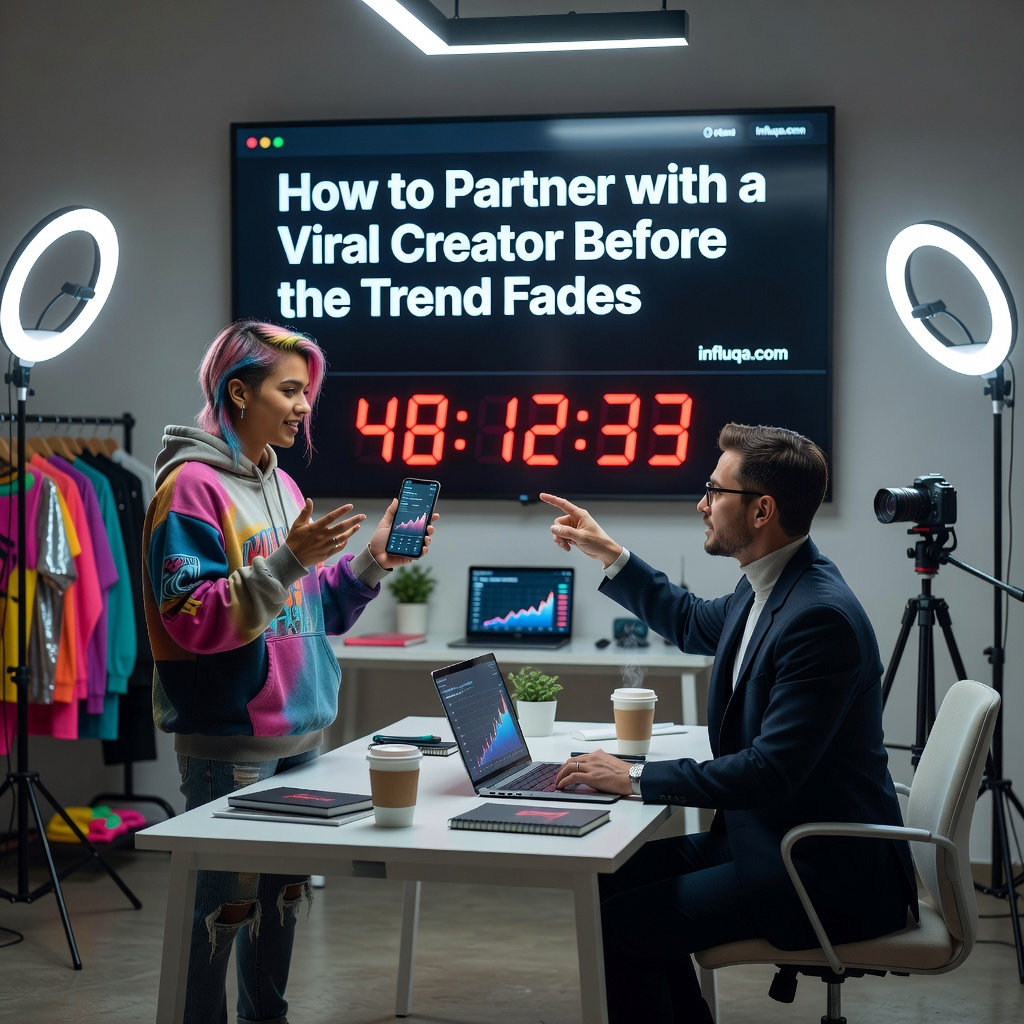
You've seen it happen. A brand partners with a creator, the campaign launches, and then... silence. The content feels forced, the audience is confused, and the results are a fraction of what was promised. It's a story that plays out far too often, leaving both marketers and creators frustrated.
But then, you see the other side. The collaborations that feel effortless, where the creator's voice is authentic, the product fits seamlessly into their narrative, and the audience responds with genuine enthusiasm. The difference between these two outcomes isn't luck. It's a fundamental shift in strategy, moving from a transactional sponsorship to a true creative partnership.
This is the core challenge brands face today. Audiences, especially younger demographics, have developed a keen eye for inauthenticity. They can spot a paid post that doesn't align with a creator's usual content from a mile away. The old model of simply paying for a post is not just ineffective; it can damage brand credibility and creator trust.
The solution lies in building partnerships where creators are treated as creative directors, not just distribution channels. This is the future of influencer marketing, and it's the only path to campaigns that truly resonate and drive lasting results. Let's explore how to build these powerful alliances.
Why Traditional Sponsorship Models Are Failing
For years, the process was straightforward: identify a creator with a large following, send them a product or a script, and pay for a post. This "spray and pray" approach is rooted in old advertising logic. It views the creator's audience as a passive commodity to be bought.
The problem is that social media doesn't work that way. Followers have a parasocial relationship with creators; they trust their taste, their opinions, and their curated world. When a blatant ad breaks that illusion, it creates cognitive dissonance. The follower feels sold to, not spoken to.
This leads to low engagement, negative comments, and a waste of budget. It also burns bridges with creators who feel their creative integrity is compromised. Platforms like TikTok and Instagram have algorithms that prioritize genuine engagement. Forced content gets buried, no matter how large the follower count.
The Shift to Co-Creation
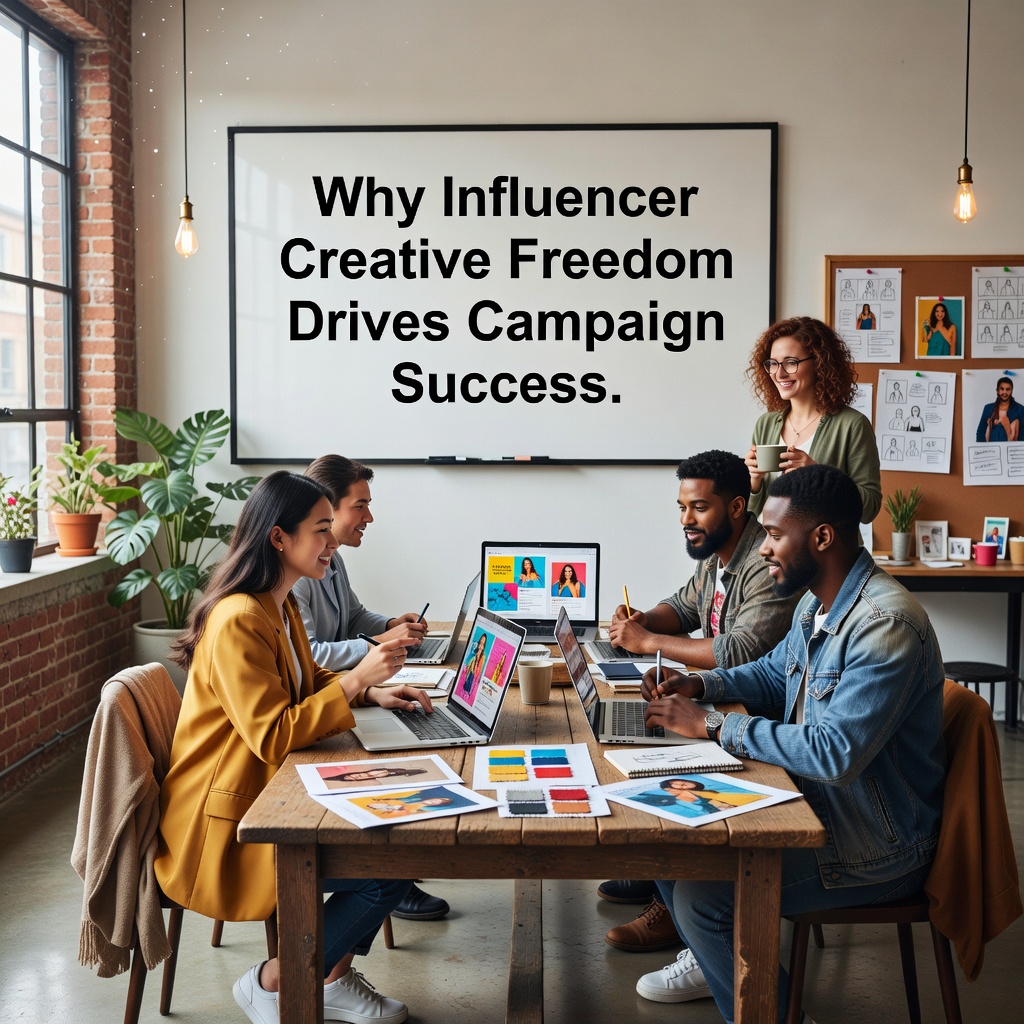
The most successful brand partnerships happening right now are exercises in co-creation. This means involving the creator from the very beginning—during the campaign ideation phase. Instead of presenting a finished brief, brands are presenting a challenge or a creative theme.
For example, instead of saying "Make a 60-second video showing these three product features," a forward-thinking brand might say: "Our product helps with organization. How does that concept fit into your daily life? Show us your unique take on finding calm through order." This opens the door for the creator to interpret the brand message through their own authentic lens.
This approach requires brands to relinquish some control, which can be uncomfortable. But the payoff is content that doesn't feel like an ad. It feels like a natural extension of the creator's story, which is exactly what their audience wants to see. Finding creators who excel in this collaborative space is easier on a platform built for discovery, like Influqa.com, where you can filter for engagement style and past collaboration creativity.
The Blueprint for a True Creative Partnership
Building this new type of relationship requires a structured yet flexible framework. It's a partnership built on mutual respect and shared goals.
1. Discovery Beyond Demographics
Your search should start long before you look at follower counts. Dive deep into a creator's entire body of work. What stories do they consistently tell? What is their unique visual or narrative style? Do they have a history of integrating products in clever, subtle ways? Look for alignment in values and aesthetic, not just audience age and location. Tools that allow you to explore creators by category and niche are invaluable for this deep-dive research.
2. The Collaborative Brief
Throw away the rigid, ten-page brief. Replace it with a collaborative document that outlines:
The "Why": The core brand message and campaign emotion (e.g., empowerment, comfort, innovation). Creative Guardrails: Key messaging that must be included and any hard "do nots" (e.g., competitive products, specific claims). Open Creative Prompts: Questions and ideas to spark the creator's imagination. "How would you introduce this to your best friend?" Resources & Support: Clear outline of what the brand will provide (product access, brand assets, technical support).
3. Establishing Trust & Clear Communication
Set up a kickoff call that feels like a creative brainstorm, not a client meeting. Encourage the creator to ask questions and push back on ideas. Assign a single point of contact from the brand side who understands both marketing goals and creative nuance. This person's job is to be a facilitator, not a micromanager.
When a creator feels trusted, they invest more of their own creative capital into the project. That investment is visible in the final content and is felt by the audience.
4. Embracing the Edit (With Care)
There will be a review process. The key is to frame feedback around the campaign's "Why" and the creator's audience. Instead of "Change this shot," try "This section feels a bit rushed; does slowing it down help emphasize the comfort factor you mentioned?" This keeps the creator's expertise central while ensuring brand alignment.
The Tangible Benefits of Getting It Right
When you successfully forge a creative partnership, the results extend far beyond a single campaign's metrics.
Exponential Authenticity: The content carries the creator's genuine endorsement, which translates directly to higher trust and conversion rates. Enhanced Brand Perception: You are seen as a brand that "gets it," that respects creators and their communities. This attracts better talent for future collaborations. Long-Term Audience Growth: The creator's audience often becomes your audience. They follow your brand not just for a product, but for the value and vibe you consistently support. Creative Innovation: Creators are on the front lines of trends. Their input can lead to innovative marketing angles you'd never conceive in a boardroom. Sustainable Relationships: This builds the foundation for long-term ambassador programs, turning a one-off cost into a lasting marketing asset.
These partnerships are particularly powerful when tapping into specific regional trends or creator communities. For instance, a brand looking to connect with an authentic voice in a new market can use a platform like Influqa.com to find creators who are not just located there, but are cultural touchstones within that locale.
Your Next Step Towards Better Partnerships
The era of the transactional influencer post is over. The audiences have evolved, the algorithms reward authenticity, and the most talented creators are seeking partners, not paychecks. Building a true creative partnership requires more upfront work—more research, more thoughtful communication, and more creative trust.
But the alternative is continuing to fund campaigns that blend into a sea of ignored, inauthentic content. The choice is clear. The future belongs to brands that collaborate, not dictate.
Ready to move beyond basic sponsorships and find creators who are true collaborative partners? The journey starts with discovery. Explore Influqa.com to connect with a global network of creators, browse active collaboration offers, and access the tools you need to build meaningful, results-driven partnerships from the ground up.