It started with a single, shaky video. A creator in Germany, known for her vibrant travel content, posted a raw, unfiltered clip. No picturesque sunset, no perfect outfit. Just her, sitting in a dimly lit room, talking about the crushing weight of creative burnout. The caption was simple: "I need to disappear for a while."
Within hours, it wasn't just a personal post—it was a national conversation. The video rocketed to the top of Germany's trending searches, sparking a wave of similar confessions from other creators. This wasn't a scandal or a new dance trend; it was a collective, public sigh. A moment that laid bare the immense pressure behind the curated feeds, and forced everyone in the influencer marketing ecosystem to pause and listen.
This German trend is a powerful signal. It marks a pivotal shift in the creator economy, where audience values are moving from pure aspiration to authentic connection. For brands and strategists, understanding this shift isn't just about empathy—it's the new foundation for sustainable, effective collaborations.
The Burnout Trend: More Than a Hashtag
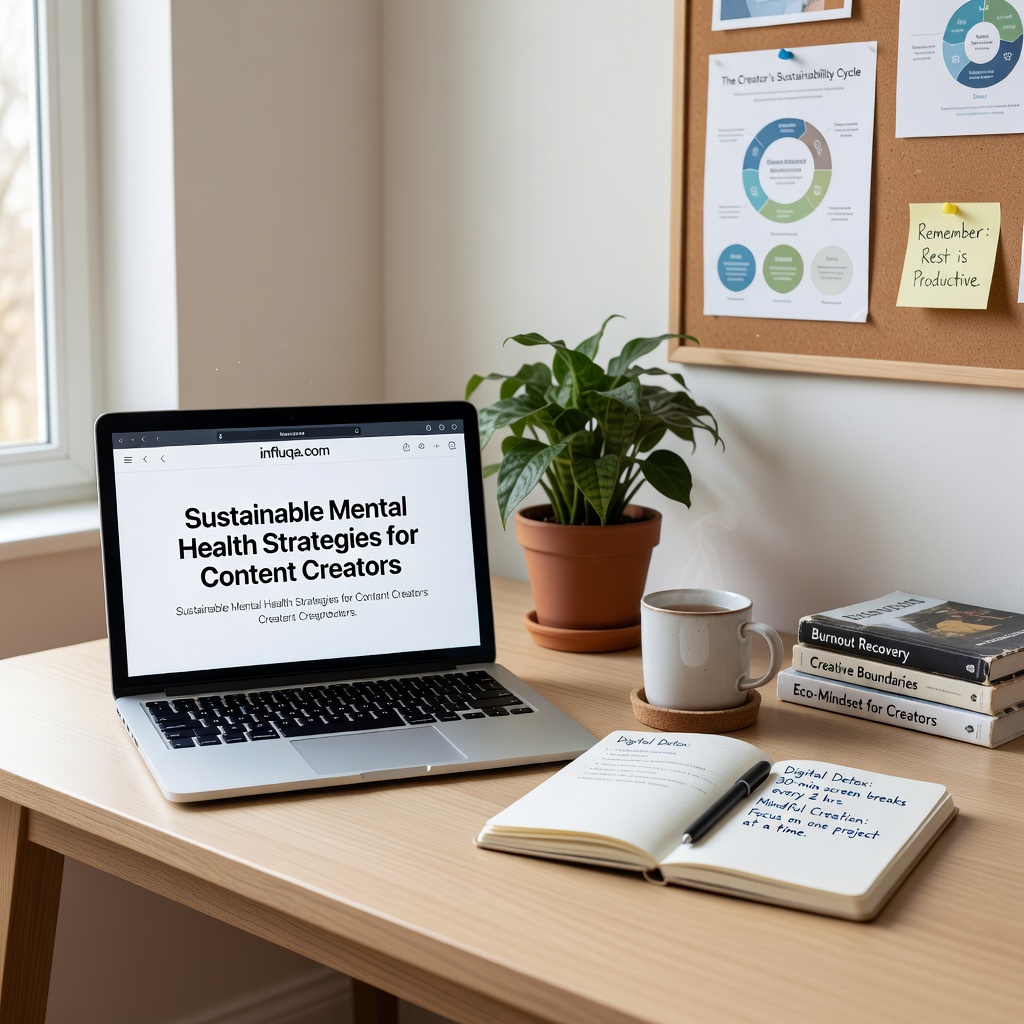
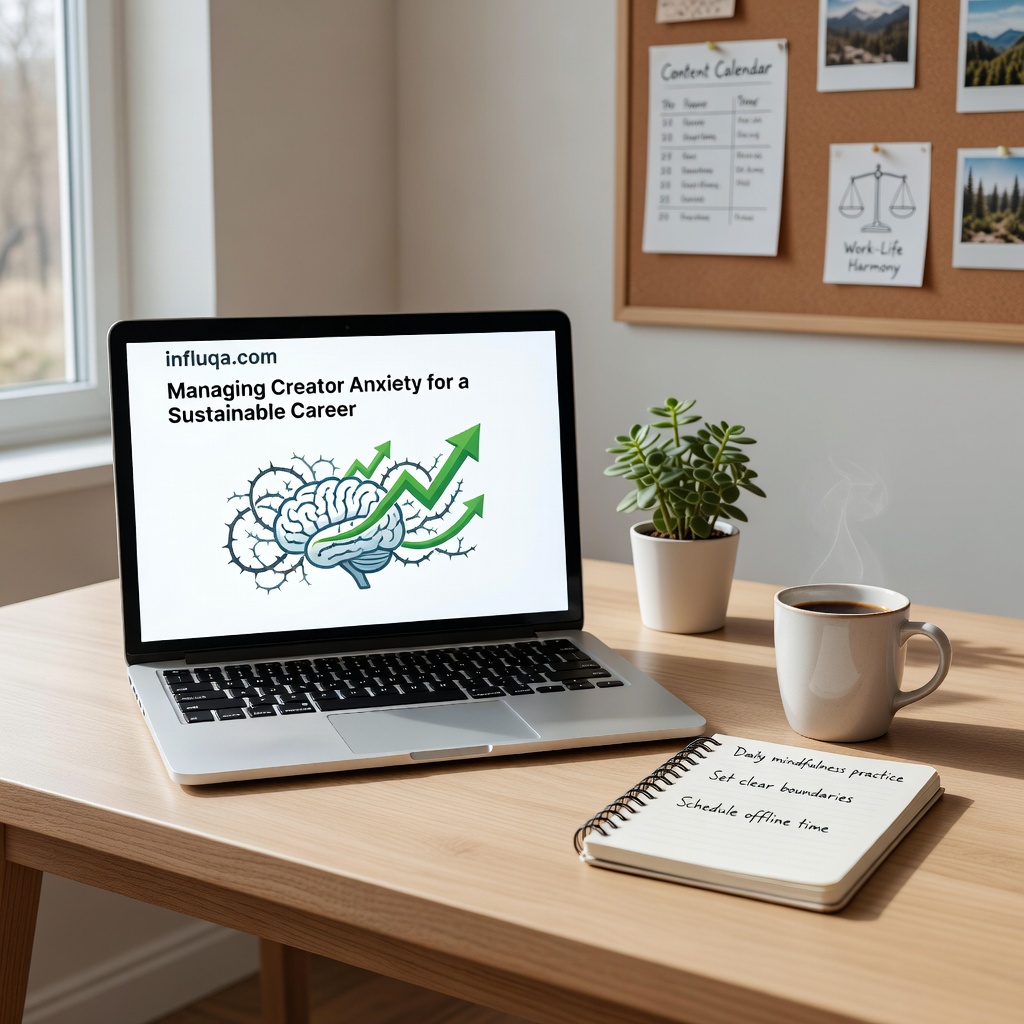
When a creator's burnout becomes a top-trending topic, it reveals a critical audience insight. Followers are no longer passive consumers; they're invested stakeholders in a creator's well-being. They can spot inauthenticity from a mile away and are increasingly rewarding vulnerability over perfection.
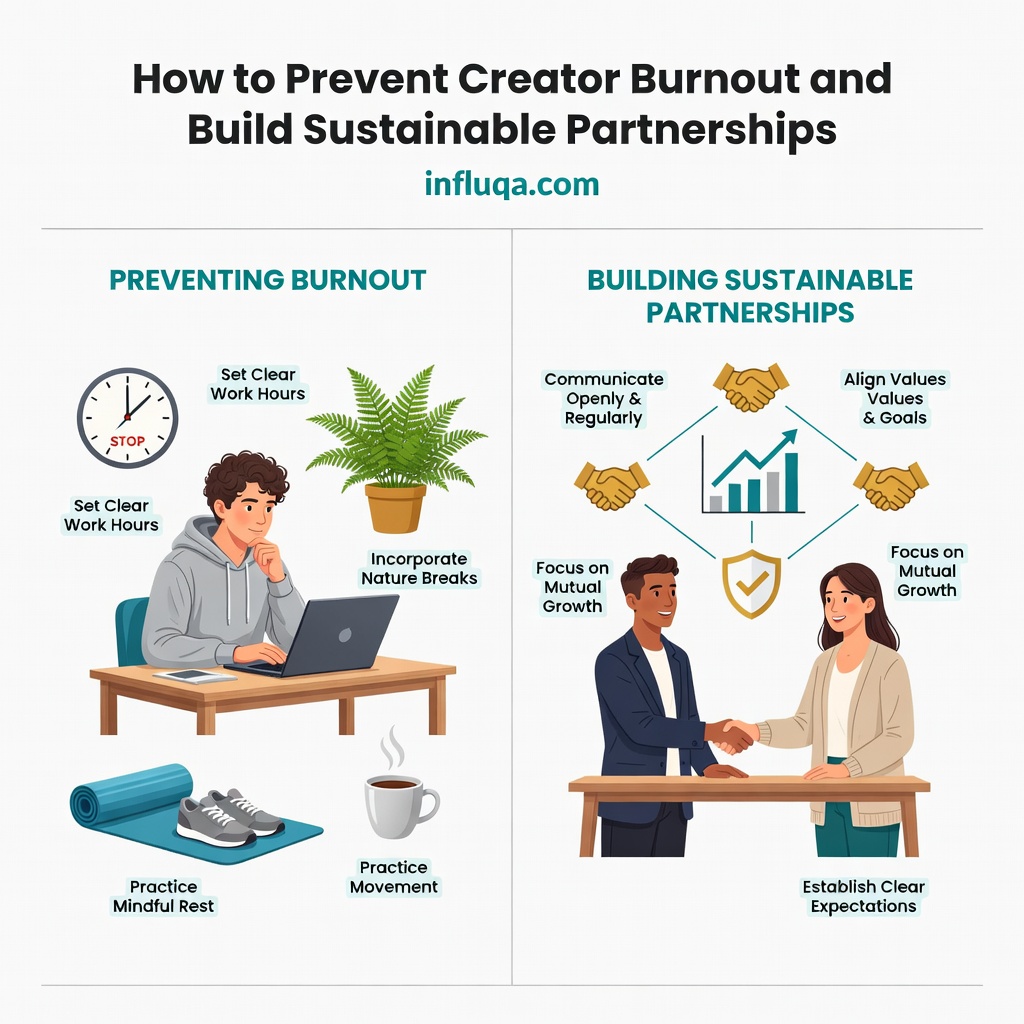
This creates a new paradigm for partnerships. The old model of demanding a relentless content schedule around a product is now a reputational risk. The new model is about building campaigns that respect the creator's humanity. This means flexible timelines, creative freedom that allows for different emotional tones, and collaborations that feel supportive, not extractive.
Platforms like Influqa.com are essential in this environment. They allow brands to discover creators not just by follower count, but by understanding their narrative and community. Browsing influencers in Germany or other regions during such a trend offers a real-time pulse on creator sentiment.
Strategies for Mindful Collaboration
How do you translate this insight into a campaign? It starts with a shift in your briefing process.
Focus on Value Alignment: Partner with creators who genuinely use and benefit from your product or service. A mental wellness app collaborating with a creator discussing burnout is powerful. A fast-fashion brand pushing the same creator is tone-deaf. Build in Breathing Room: Design campaign calendars with buffer periods. Avoid back-to-back, high-intensity deliverables. Quality storytelling takes time and mental space. Empower, Don't Dictate: Provide creative guidelines, not scripts. Allow the creator to tell their story with your product in a way that feels natural to their current state and audience expectations.
Exploring active collaboration offers on a platform like Influqa can show you which brands are already adapting their briefs to be more creator-centric, offering longer deadlines or more open creative control.
The Content Pivot: From "Always On" to "Meaningfully On"
The German trend also signals a content shift. Audiences are engaging deeply with "soft" content—thoughtful sit-down talks, reflective journals, and slow-paced vlogs. This is a golden opportunity for brands that support mindfulness, self-care, productivity, or even ergonomic workspaces.
Imagine a campaign not about a creator loudly unboxing a product, but about how that product integrates into their new, balanced routine. A camera brand could partner with a creator on a "soft launch," focusing on how its simple controls reduce the stress of filming. This is authentic storytelling.
To find creators who excel in this space, you can look beyond generic categories. On Influqa, diving into specific niches via Lifestyle or Wellness categories can surface those already building community through mindful content.
The most powerful brand collaborations will no longer be the loudest ones, but the ones that feel like a respectful conversation. They acknowledge the person behind the profile.
Platform-Specific Nuances
This trend manifests differently across platforms. On TikTok, raw, confessional "get ready with me" talks or candid POV videos are resonating. On InstagramYouTube is seeing a rise in documentary-style videos about taking a break.
Your campaign should adapt to these nuances. A platform like Influqa helps you strategize by showing you what kinds of collaborations are active on each network. Checking Instagram offers versus YouTube offers can reveal how brands are tailoring their messaging for each space.
Building Long-Term Resilience with Creators
The ultimate goal is to move from transactional campaigns to partnership ecosystems. This means:
Ongoing Check-ins: Treat creators as true partners, not vendors. Brief conversations about well-being and workload should be standard. Diverse Portfolio Partnerships: Work with a diverse range of creators at different lifecycle stages. Partnering only with mega-influencers who may be at highest burnout risk is a fragile strategy. Co-Creation of Boundaries: Be proactive in discussions about content ownership, usage rights, and sustainable posting schedules.
When a creator's burnout trends, it's a wake-up call for the entire industry. It's a reminder that the creator economy is built on people. The brands that will thrive are those that respond not with opportunistic marketing, but with a renewed commitment to ethical, human-first collaboration.
Staying ahead means staying connected to the real conversations creators and their audiences are having. It means using tools that provide depth, not just data. For those looking to build these next-generation partnerships, a great next step is to explore a platform built for meaningful connection. Discover authentic creators, see real collaboration opportunities, and start building campaigns that respect the craft and the individual at Influqa.com.