Most brands spend 80% of their optimization effort on campaign execution. Content approvals. Payment releases. Performance reports.
They spend only 20% on the discovery phase that actually determines success.
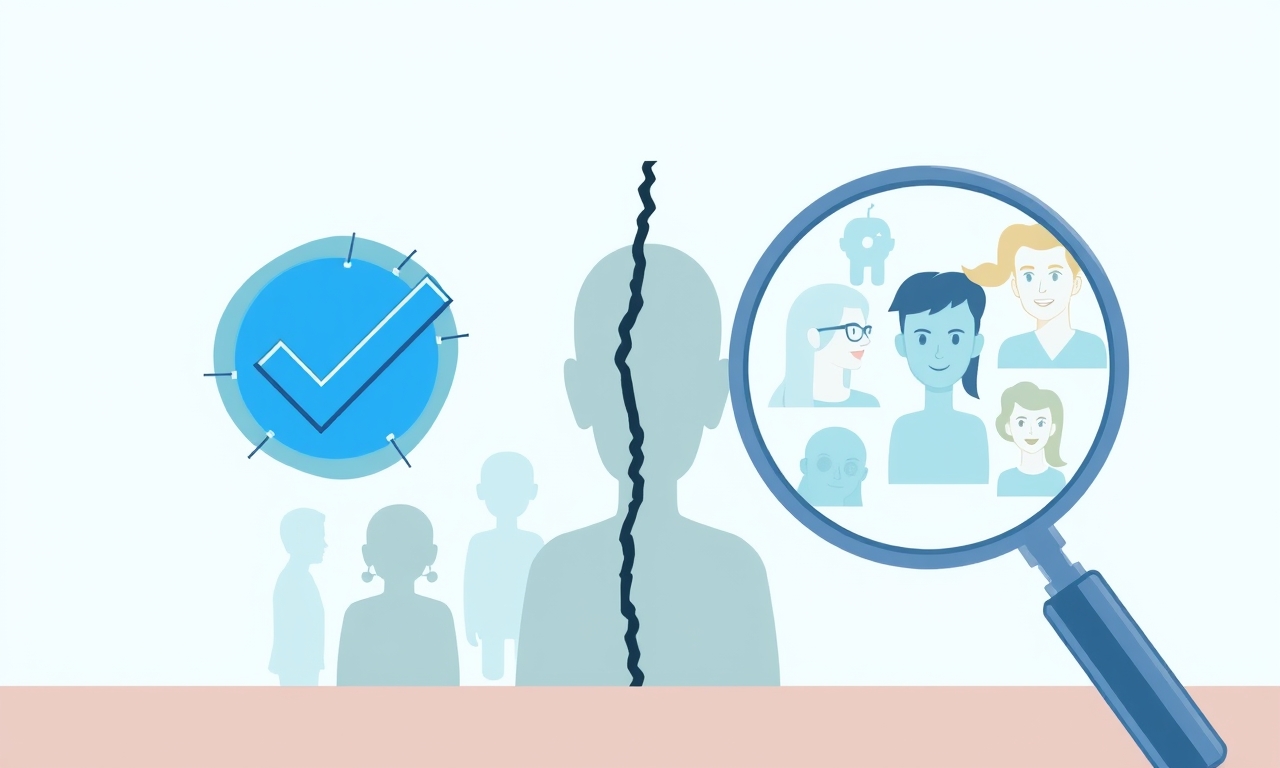
Here's the dirty secret: A bad discovery decision cannot be fixed by great campaign management. The "garbage in, garbage out" rule applies directly to creator ROI. You can have the smoothest workflow in the world, but if you partnered with the wrong creator, your results will still disappoint.
A 2025 study by Influencer Marketing Hub found that brands waste an average of 25% of their influencer marketing budget on creators who do not align with their target audience. That's one in every four dollars. Gone. Not because the content was bad, but because the discovery process was broken.
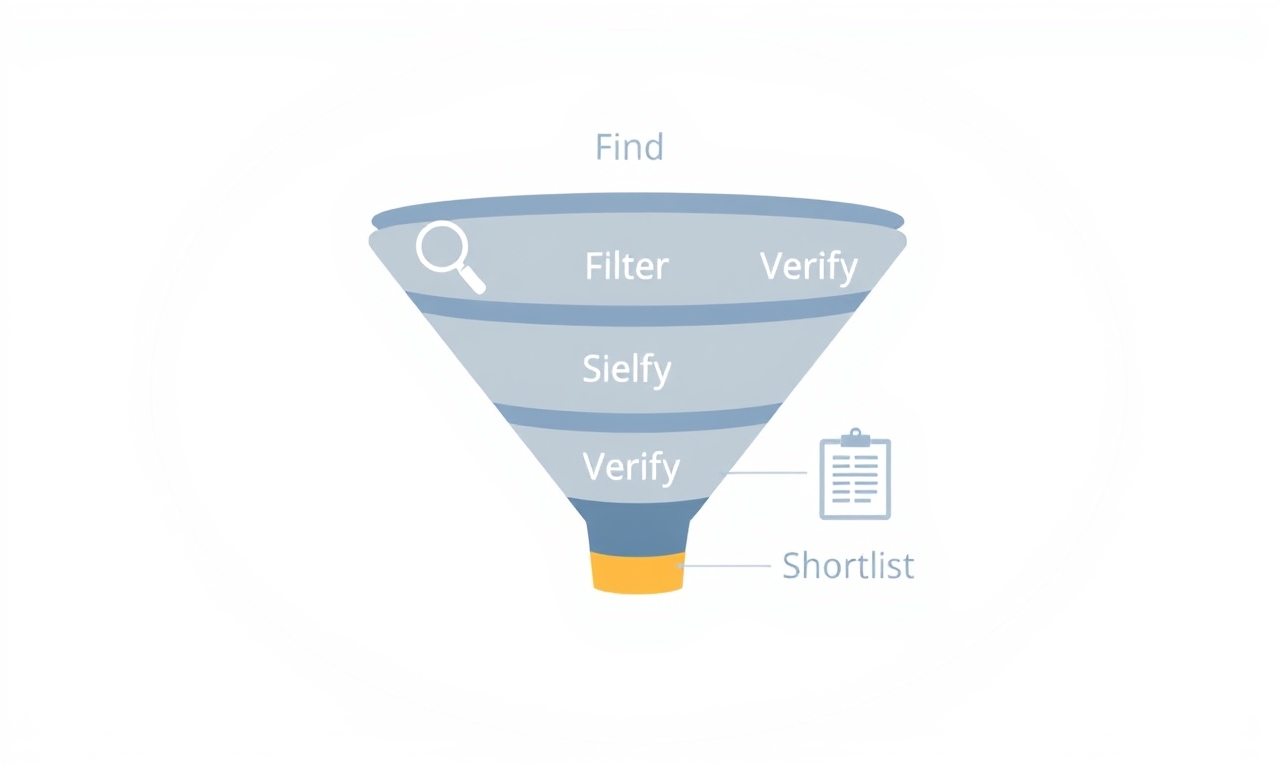
This post reframes creator discovery as a measurable funnel with specific KPIs at each stage. The goal: reduce waste, increase acceptance rates, and predict performance before you send a single offer.
Key Takeaways
- Discovery is a measurable funnel. Track Discovery-to-Offer and Offer-to-Acceptance rates to identify where your process breaks.
- Follower count is a vanity metric. Prioritize audience demographic overlap and conversational engagement over raw numbers.
- Pre-verified creators save time and money. Brands using verified data see 3x higher acceptance rates and less ghosting.
- Build a pipeline, not a wishlist. Always have 3 alternatives for every creator you want to hire to maintain negotiation leverage.
Table of Contents
- Stage 1: The "Find" Phase — Stop Searching, Start Filtering
- Stage 2: The "Filter" Phase — Kill the Vanity Metrics Early
- Stage 3: The "Verify" Phase — The Step Most Brands Rush
- Stage 4: The "Shortlist" Phase — Build a Pipeline, Not a Wishlist
- The Metrics That Matter: How to Measure Discovery Success
- Common Mistakes That Sabotage Discovery
- Frequently Asked Questions
- Further Reading
Stage 1: The "Find" Phase — Stop Searching, Start Filtering
Define Your "Creator Persona" Before You Open a Search Bar
Most brands open a search bar and type "fitness." Or "beauty." Or "tech."
That's not a strategy. That's typing.
Here's what happens next: You get 10,000 results. You scroll for 20 minutes. You pick the first creator with a nice profile picture and a follower count that looks impressive. Then you wonder why the campaign underperformed.
The fix: Define your creator persona the same way you define a customer persona. Don't search by niche. Search by audience demographic overlap.
Ask yourself:
- Who is this creator's actual audience?
- Are those people my target customers?
- What other accounts does this audience follow?
A 2025 study by Later found that micro-creators (10k-50k followers) have a 60% higher engagement rate than macro-creators but are 40% harder to find via standard search tools. Why? Because their bios lack "keyword-rich" terms. They don't call themselves "influencers." They say "I make videos about my life."
Discovery tools that rely on bio keywords miss the best partners. You need tools that analyze audience data, not just profile text.
Use Engagement Quality, Not Engagement Rate
A 5% engagement rate sounds great. Until you look at the comments.
If every comment is an emoji or a single word like "nice" or "🔥", that engagement is hollow. It signals a passive audience, not an active one.
Real engagement looks different:
- Comments that ask questions
- Comments that mention the product by name
- Comments that tag friends who would also be interested
- Conversations between the creator and their followers
This is "conversational engagement." It predicts conversion because it signals trust. A creator whose followers ask "Where can I buy that?" has already done half your sales job.
How to spot it: Scroll through the last 10 posts. Count how many comments are substantive (more than 3 words, ask a question, or reference the content). If that number is below 20% of total comments, move on.
Stage 2: The "Filter" Phase — Kill the Vanity Metrics Early
The "Follower Count" Trap
Let me be direct: Follower count is the least predictive metric for conversion.
A creator with 10,000 engaged followers will outperform a creator with 100,000 passive followers almost every time. The math is simple. A 10% engagement rate on 10k followers gives you 1,000 active interactions. A 1% engagement rate on 100k followers gives you 1,000 active interactions. Same result, but the smaller creator costs less and builds more trust.
Here's the part most people don't realize: Brands who filter out creators below 5,000 followers miss the nano-creator sweet spot. Nano-creators (1k-10k followers) have the highest trust and conversion rates in the entire creator economy. Their audiences see them as friends, not influencers. A recommendation from a nano-creator carries more weight than a sponsored post from a celebrity.
Stop filtering by follower count. Filter by audience match and engagement quality instead.
Audience Authenticity Checks (The "Bot" Test)
Fake followers are everywhere. A 2026 analysis found that brands who use a platform with pre-verified creator data see a 3x higher rate of successful offer acceptance compared to brands manually vetting from social media.
Why? Because manual vetting is slow and unreliable. You miss the bots.
Three quick checks for fake followers:
- Look for spikes in follower growth. A creator who gained 10k followers overnight either went viral or bought them. Check their growth chart.
- Check the comment-to-like ratio. Real posts get 1-3 comments per 100 likes. If a post has 10k likes but only 20 comments, something is off.
- Scan for generic comment patterns. If 50 comments say "Great post!" with slight variations, those are bots.
Content Relevance Scoring
Don't just check if a creator posts about your category. Check if they've posted about a competitor in the last 90 days.
This matters more than you think. A creator who has already worked with a competitor has an audience that understands your product category. They've done the educational work for you. You just need to show why your brand is different.
On the flip side, a creator who has never posted about your category might have the wrong audience entirely. Their followers follow them for cooking tips, not skincare routines. No amount of great content will fix that mismatch.
Score creators on relevance:
- 3 points: Posted about your category in the last 30 days
- 2 points: Posted about a related category in the last 90 days
- 1 point: Posted about a competitor in the last 90 days
- 0 points: No relevant content ever
Only shortlist creators who score 2 or higher.
Stage 3: The "Verify" Phase — The Step Most Brands Rush
The "Escrow Readiness" Signal
Here's a stat that should stop you cold: According to a 2025 report by Aspire, 67% of brands report that creator ghosting (non-response to outreach) is their #1 workflow friction point.
Ghosting isn't a payment problem. It's a discovery and vetting problem. You're reaching out to creators who aren't serious, aren't organized, or are overwhelmed with offers they can't manage.
The fix: Look for creators who have completed paid campaigns before. Especially campaigns that used escrow or structured offers.
A creator with a verified payment history accepts offers 2x faster than an unverified creator. Why? Because the trust barrier is already gone. They know the process. They know they'll get paid. They don't need to spend a week negotiating terms.
Platforms like Influqa make this easy by hosting pre-verified creator profiles with payment history built in. You can see at a glance whether a creator has accepted structured offers before. That single data point eliminates hours of back-and-forth.
The "Collaboration History" Audit
Not all sponsored content performs equally. Some creators lose engagement on paid posts. Their audience smells the sponsorship and tunes out.
Check for the "paid content performance gap":
- Find the creator's last 5 sponsored posts
- Compare their engagement rate on those posts to their organic posts
- If the sponsored posts perform 30% worse or more, that creator has a trust problem
This is one of the most overlooked signals in creator discovery. A creator can have beautiful organic content and still fail on paid campaigns. The audience doesn't trust their recommendations.
What to look for instead: Creators whose sponsored posts perform better than their organic content. That sounds counterintuitive, but it happens. Some creators put more effort into sponsored content. Their audience knows the content will be higher quality. Those creators are gold.
Stage 4: The "Shortlist" Phase — Build a Pipeline, Not a Wishlist
The 3:1 Rule
Most brands find one creator they like and fixate on them. They build the entire campaign around that single creator. Then the creator ghosts, or the price is too high, or they're already exclusive with a competitor.
Now you're desperate. You scramble to find a replacement. You settle for someone who isn't a great fit. The campaign suffers.
The 3:1 rule: For every creator you want to hire, shortlist 3 alternatives. Not as a backup. As a pipeline.
Brands who build a shortlist of 10+ creators per campaign see a 40% higher negotiation success rate. Why? Because they have leverage. When Creator A asks for $5,000, you can honestly say, "I have three other creators at this price point who match our audience. Can you do $3,500?"
Creator A either meets your price or you move to Creator B. Either way, you win.
Score Your Shortlist Objectively
Gut feelings are dangerous. They bias you toward creators with pretty feeds, not creators with the right audience.
Build a weighted scoring system:
- 30%: Audience demographic match
- 25%: Engagement quality (conversational, not passive)
- 20%: Content relevance (posted about your category recently)
- 15%: Payment history (completed paid campaigns before)
- 10%: Responsiveness (replied to your outreach within 48 hours)
Score every creator on your shortlist. Only send offers to creators who score 70% or higher.
This system removes bias. It forces you to make data-driven decisions. And it gives you a clear reason to say no to creators who look good but don't fit.
The Metrics That Matter: How to Measure Discovery Success
Most brands cannot answer these three questions. If you can, you're already ahead of 90% of competitors.
Discovery-to-Offer Conversion Rate
What percentage of discovered creators make it to an offer?
If this number is below 10%, your filters are too loose. You're wasting time on creators who will never qualify. Tighten your criteria.
If this number is above 50%, your filters are too tight. You're missing good creators. Loosen up.
Target range: 15-25%
Offer-to-Acceptance Rate
What percentage of offers are accepted?
If this number is below 40%, your shortlist is targeting the wrong creators. Or your offer structure is weak. Either way, something in your process is broken.
If this number is above 80%, you might be leaving money on the table. You could negotiate harder or target higher-tier creators.
Target range: 50-70%
Time-to-Shortlist
How long does it take to go from "search" to "ready to send offer"?
The best teams do it in under 2 hours. The average team takes 2-3 days. The worst teams take weeks.
Every hour you spend on discovery is an hour you're not spending on campaign execution. Speed matters.
Target: Under 2 hours for a shortlist of 10 qualified creators
Common Mistakes That Sabotage Discovery
Mistake 1: Treating Discovery as a One-Time Event
Most brands start from scratch every time they run a campaign. They search, filter, verify, shortlist, send offers, and then forget everyone they found.
Fix: Always maintain a "warm list" of 20-30 pre-vetted creators. When you find a good creator who doesn't fit your current campaign, add them to the list. When you need to run a campaign next month, you already have a pipeline.
Mistake 2: Over-Indexing on Follower Count
Follower count is the easiest metric to see. So brands default to it. They filter out creators below 10k followers and miss the nano-creator sweet spot.
Fix: Hide follower count in your view. Force yourself to look at engagement data and audience demographics first. Only check follower count at the very end, as a tiebreaker.
Mistake 3: Sending the Same Outreach Message to Every Creator
Generic outreach gets generic results. Creators can tell when you've copied and pasted. They ignore those messages.
Fix: Use the data from your discovery phase to personalize the first line. Reference a specific post they made. Mention why their audience is a good fit. A single personalized sentence doubles your response rate.
Frequently Asked Questions
How many creators should I discover before I start sending offers?
Aim for 20-30 creators per campaign. That gives you enough data to build a strong shortlist of 5-10 qualified creators. If you start sending offers after discovering only 5-10 creators, you're limiting your options.
What is the single most important metric to look at during discovery?
Audience demographic overlap. Not engagement rate. Not follower count. Not content quality. If the creator's audience doesn't match your target customer, nothing else matters.
Should I discover creators on one platform or across all platforms?
Discover across all platforms where your target audience spends time. A creator might have 50k followers on Instagram but 200k on TikTok. Or they might be strong on YouTube but weak on Facebook. Don't limit yourself to one platform.
How do I know if a creator's audience is real (not bots)?
Check three things: follower growth patterns (no sudden spikes), comment-to-like ratio (1-3 comments per 100 likes is normal), and comment quality (generic comments signal bots). If something feels off, trust your instinct.
What is the fastest way to build a shortlist of 10 qualified creators?
Use a platform with pre-verified creator data. Manual discovery takes hours. A platform like Influqa lets you filter by audience demographics, engagement quality, and payment history in minutes. Build your shortlist in under an hour instead of under a week.
Conclusion: Discovery Is a System, Not a Search
The goal of creator discovery is not to find any creator. It's to find the right creator with measurable confidence.
Most brands treat discovery as a search-and-scroll activity. They open a platform, type a keyword, and pick whoever looks good. That's not a system. That's gambling.
The four-stage funnel changes everything:
- Find by audience data, not keywords
- Filter by engagement quality, not follower count
- Verify by payment history and collaboration data
- Shortlist by objective scoring, not gut feeling
When you measure each stage, you find the leaks. Maybe your filters are too loose. Maybe your verification step is too slow. Maybe you're not scoring objectively.
Fix the leaks, and your results transform. Less waste. Higher acceptance rates. Better performance.
Ready to stop guessing? Build a discovery system that actually works. Start your free trial on Influqa and see how pre-verified creator data changes everything.
Further Reading
- The Creator Discovery Playbook: A Step-by-Step System to Find, Vet, and Shortlist the Right Partners — A deeper dive into the discovery process
- The Verification Trap: 5 Checks That Most Brands Skip — Why manual vetting fails and how to fix it
- Influencer Marketing Hub 2025 Benchmark Report — The source for the 25% budget waste statistic