You've just launched a campaign. The content looks great, the creator is talented, and the analytics dashboard is finally showing some movement. But as you stare at the numbers, a familiar, sinking feeling sets in. You have data, but you don't have understanding. What does that engagement spike really mean? Is that conversion rate good, or just average? Is this campaign actually working, or are you just throwing budget at vanity metrics?
This is the silent crisis in influencer marketing. In the rush to track everything, brands and agencies are drowning in numbers while starving for insight. The real goal isn't to collect data points; it's to uncover the story they tell about your audience, your brand, and your return on investment.
Moving from simple data collection to genuine, actionable insight is the single most important shift you can make for your influencer strategy. It transforms your marketing from a cost center into a growth engine. Let's break down how to do it.
Why Your Current Metrics Are Lying to You
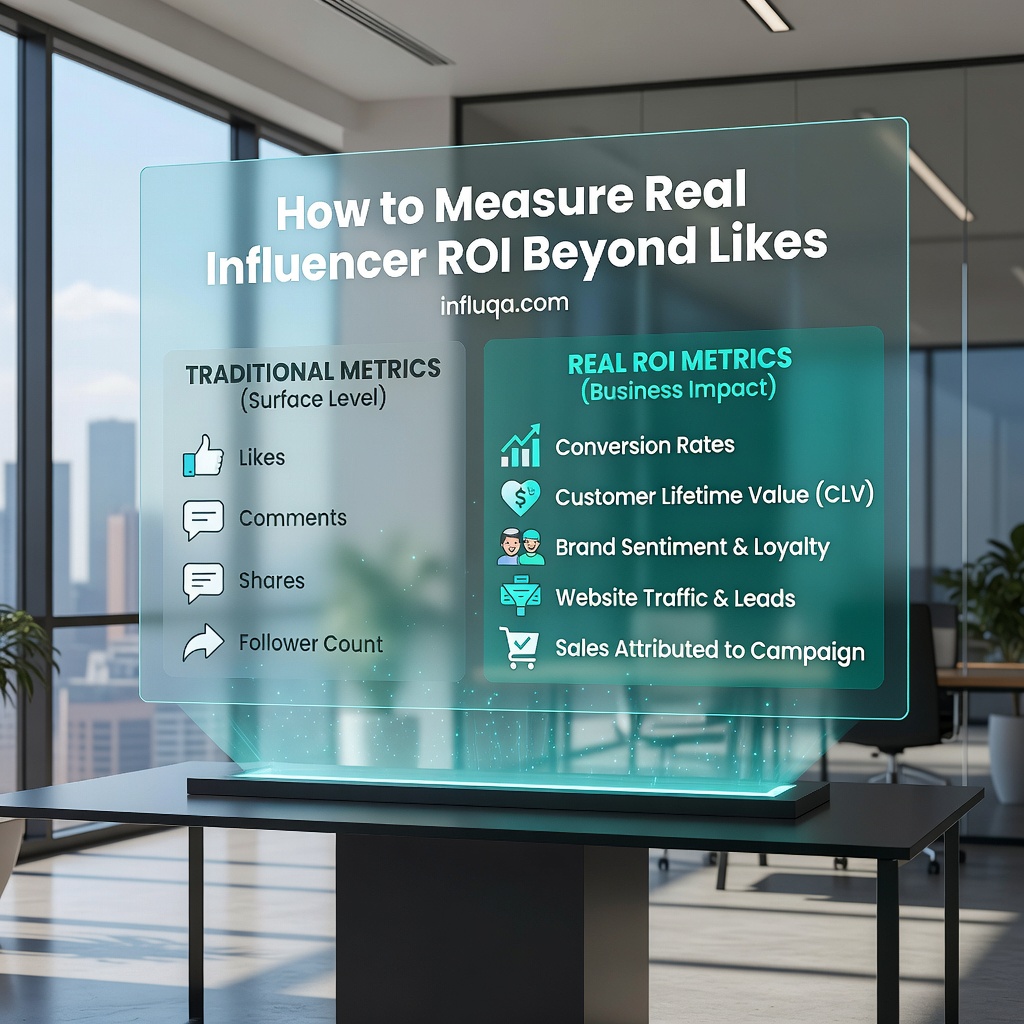
Most influencer marketing reports are a masterpiece of misdirection. They highlight the big, flashy numbers—likes, follower counts, total impressions—while quietly ignoring the metrics that actually predict business success. The problem isn't a lack of tools; platforms provide more data than ever. The problem is a lack of context and connection.
An influencer with a million followers might generate 50,000 likes on a post, but if their audience has zero interest in your niche, those likes are worthless. Conversely, a micro-influencer with 20,000 highly targeted followers might drive more actual sales and website clicks than their mega-influencer counterpart. Without the right analytical framework, you'll consistently back the wrong horse.
This is where a platform like Influqa.com becomes invaluable. It's not just a directory of creators; it's a system for connecting campaign goals with creator performance data from the start, helping you find influencers whose analytics align with your true objectives, not just their popularity.
The Three Pillars of Actionable Insight
To cut through the noise, you need to structure your analysis around three core pillars. Think of these as filters for your data, helping you separate the signal from the static.
Relevance: Does the engagement come from people in your target demographic or geographic location? Use platform insights and tools to see who is actually interacting. Intent: Are followers passively consuming, or are they taking a desired action? Comments, saves, shares, and link clicks show much higher intent than a simple like. Conversion: Does the activity ultimately lead to a business result? This could be a sale, a lead, an app download, or increased brand search volume.
Building Your Insight-Driven Campaign Framework
Insight doesn't happen by accident. It's engineered. Before you even contact a creator, your campaign framework should be built to generate the answers you need.
Step 1: Define What "Success" Actually Looks Like
This sounds basic, but most teams skip it. "Increase brand awareness" is not a goal. "Increase unaided brand recall by 15% among women aged 25-34 in the UK over Q3" is a goal. The more specific you are, the easier it is to choose the right metrics and, consequently, the right creators on platforms like Influqa.
Pro Tip: Align each campaign with one primary KPI (Key Performance Indicator). Secondary metrics support the story, but one primary KPI keeps the team focused. For a sales campaign, that's likely Return on Ad Spend (ROAS). For awareness, it might be Cost Per Qualified Impression (CPQI)—impressions delivered to your precise target audience.
Step 2: Track the Journey, Not Just the Destination
Attributing a sale directly to one influencer post is getting harder. Modern customer journeys are nonlinear. Someone might see a TikTok, Google your brand a week later, click on an Instagram ad, and finally purchase after reading a blog review.
Your analytics need to capture this journey. Use trackable links (like UTM parameters), unique discount codes for each creator, and dedicated landing pages. Encourage influencers to use the "link in bio" tools that track clicks per post. Review the active collaboration offers on Influqa to see how savvy brands are structuring trackable partnerships.
Step 3: Benchmark Against Reality, Not Fantasy
Is a 2% click-through rate good? It depends. You need industry benchmarks for your specific niche and platform. A 2% CTR on an Instagram Story swipe-up might be stellar, while 2% on a high-intent YouTube link in the description could be below average.
Use your own historical campaign data as your primary benchmark. Second, consult industry reports from trusted sources. Third, look at the performance of similar Instagram offers or TikTok collaborations to gauge what's achievable. Context turns a raw number into an insight.
The Advanced Metrics You're Probably Ignoring (But Shouldn't Be)
Once you've mastered the basics, it's time to look at the advanced metrics that separate good campaigns from legendary ones.
Engagement Rate Relative to Reach: Instead of just total engagement, look at engagement as a percentage of the actual number of accounts that saw the post (reach, not followers). This reveals true content resonance. Sentiment Analysis: Go beyond comment counts. What are people actually saying? Are comments positive, curious, or filled with questions? This qualitative data is gold for product feedback and messaging. Audience Growth Quality: If a campaign drives new followers to your brand's profile, where did they come from? Followers gained from an influencer's loyal community are far more valuable than those from a generic hashtag contest. Earned Media Value (EMV) vs. Actual Ad Spend: EMV is an estimate of what the exposure would cost in paid advertising. Compare this to your actual influencer spend. A high EMV-to-spend ratio indicates high efficiency and organic amplification.
Data tells you what happened. Insight tells you why it happened and what to do next. The most successful brands in influencer marketing are not the ones with the biggest budgets, but the ones with the deepest understanding.
Turning Insight Into Action and Growth
Analysis paralysis is real. The final step is to create a clear feedback loop where insights directly inform your next action.
For Underperforming Campaigns: Don't just kill them. Diagnose. Was the creative off? Was the influencer's audience not a perfect match? Use the insight to renegotiate the content or pivot the strategy with that creator. Perhaps you need to explore a different category on Influqa's global influencer database to find a better-fit audience.
For Overperforming Campaigns: Double down, but understand why. Can you replicate that creative style with other creators? Was there a specific hook or call-to-action that drove conversions? Use this insight to brief your next round of creators, creating a "playbook" for success.
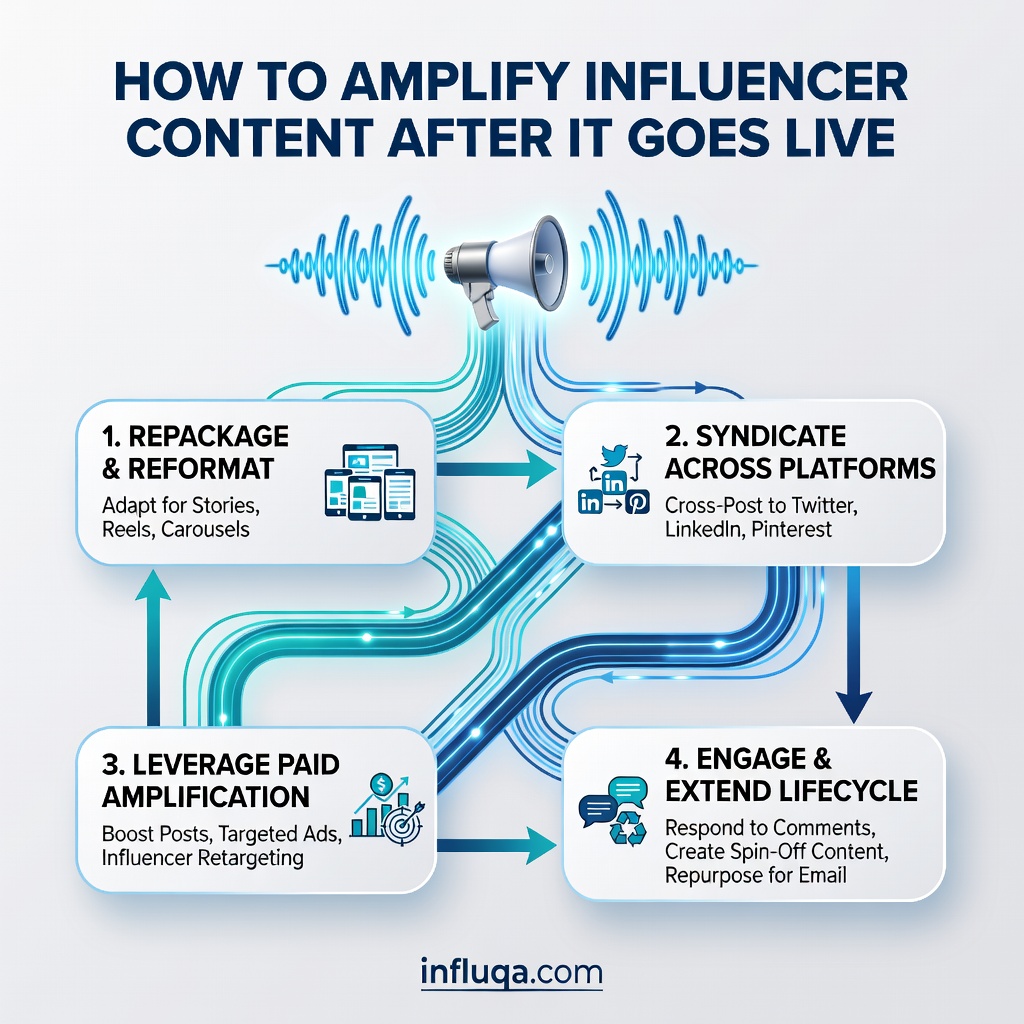
This cyclical process of plan, measure, learn, and optimize is what makes influencer marketing a scalable, reliable channel. It moves you from one-off transactions to strategic partnerships.
The journey from overwhelming data to empowering insight is the most important journey your marketing team can take. It requires shifting your mindset, refining your tools, and asking better questions. It's about valuing quality of engagement over quantity, and strategic learning over superficial reporting.
When you get it right, every campaign becomes an investment in knowledge. You're not just paying for a post; you're funding market research, creative testing, and audience intelligence. That's a powerful place to be.
Ready to build campaigns designed for insight from the start? Begin by connecting with creators whose data and audience align with your true goals. Explore the possibilities on Influqa.com, where you can discover, analyze, and collaborate with influencers across every platform and region, turning today's data into tomorrow's growth.