You see a creator you admire launch a successful product line. Another starts a paid community that sells out in hours. The headlines are everywhere: creators are becoming moguls, building empires beyond brand deals. It’s exciting, but if you’re a creator focused on sponsored content, it can also feel like a distant, complex goal. How do you actually build a sustainable business from your influence?
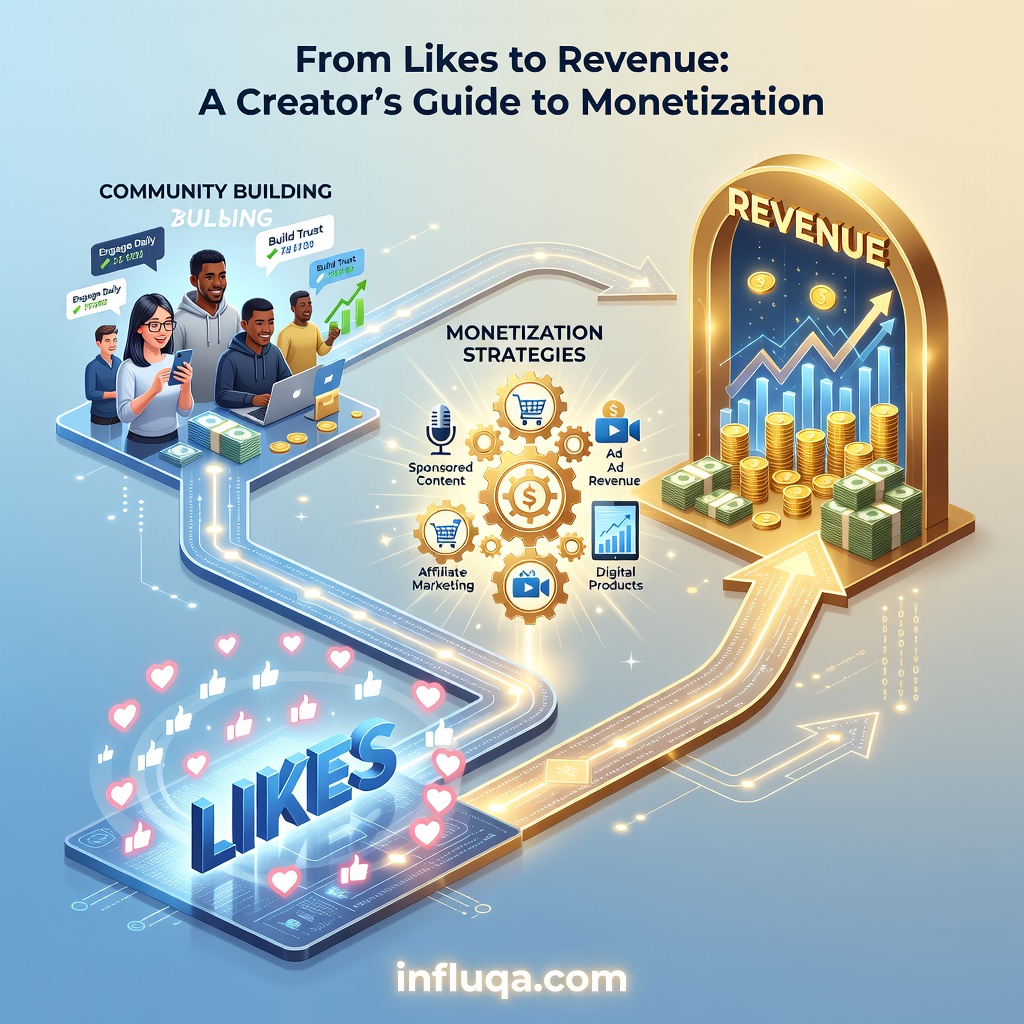
The journey from influencer to entrepreneur is the ultimate evolution in the creator economy. It’s about moving from trading your audience’s attention for a one-time fee to building assets you own and control. This shift isn't just for the mega-famous; it's a strategic path available to creators at various levels who want to diversify income, gain creative freedom, and build lasting value.
Why "Influencer to Entrepreneur" is More Than a Buzzword
For years, the influencer marketing playbook was straightforward: grow a following, attract brand deals, repeat. This model works, but it has inherent ceilings and vulnerabilities. Your income is tied to your consistency in posting, the whims of algorithm changes, and the budgets of marketing departments. Building a business flips this model. Instead of renting out your platform, you're building a house on it.
This transition solves several core problems creators face:
Income Volatility: Brand deal cycles can be feast or famine. A product or service you own provides recurring revenue. Creative Burnout: Constantly creating for other brands' briefs can drain passion. Your own business aligns with your deepest interests. Audience Dependency on Platforms: If a platform changes its rules or declines, your primary revenue stream is at risk. A business allows you to own the customer relationship directly. Limited Scale: There are only so many hours in a day for sponsored content. A digital product or physical good can be sold infinitely without more of your time. Seeking Legacy: Sponsored posts have a short shelf life. A brand you build can outlive any single trend or campaign.
The goal isn't to abandon influencer marketing—far from it. Successful creator-entrepreneurs often use sponsored content to fund and fuel their business ventures. Platforms like Instagram and TikTok become powerful channels for marketing what they own. It's a powerful synergy.
The Strategic Pathways: What Can You Actually Build?
The first step is choosing a vehicle for your entrepreneurial energy. The best choice aligns with your expertise, audience needs, and operational comfort. Here are the most proven paths:
1. Digital Products & Information
This is often the lowest barrier to entry. You're packaging your knowledge into a scalable format.
Online Courses & Workshops: Teach your specific skill—be it photography, fitness, makeup, or finance. Use your content as proof of concept. E-books & Guides: Deep-dive written content on a niche topic your audience constantly asks you about. Downloadable Templates & Tools: Canva templates, budgeting spreadsheets, or workout planners. Solve a repetitive problem for your followers.
These products have high margins and can be automated entirely. Your role shifts from creator to educator and systems-builder.
2. Physical Products & Merchandise 2.0
Move beyond basic logo tees. Today's successful creator merch is hyper-aligned with their personal brand narrative.
Lifestyle Products: A skincare line from a beauty guru, specialty coffee from a cozy lifestyle vlogger, or cooking tools from a food creator. The product is an extension of their content world. Limited Edition Drops: Creates urgency and exclusivity. It turns a product launch into an event for your community. Collaborative Designs: Work with your community on the design process, making them feel invested in the success.
Platforms like Influqa's category search can even help you find other creators in your niche to potentially collaborate with on a product line, pooling audiences and expertise.
3. Membership & Community Models
This path monetizes depth over breadth. Instead of speaking to millions, you provide immense value to hundreds or thousands.
Paid Newsletters (Substack, Beehiiv): Offer premium analysis, behind-the-scenes insights, or curated advice directly to inboxes. Exclusive Communities (Discord, Circle, Patreon): Create a space for deeper interaction, group coaching, peer networking, and exclusive content. Mastermind Groups: High-ticket, small-group coaching for those wanting intensive guidance.
The key here is providing tangible, ongoing value that justifies a recurring payment. It transforms passive followers into active, paying members.
The Foundational Mindset Shift
Before you launch anything, internalize this: You are no longer just a content creator; you are a problem-solver for your audience. Your business succeeds not because you have followers, but because you provide a specific solution to a specific need they have. Your content now serves a dual purpose: engagement and demonstrating your authority in solving that problem.
The Launch Blueprint: From Idea to First Sale
Turning inspiration into revenue requires a process. Jumping straight to a website build is a common mistake.
Validate the Problem: Use your existing content and DMs as a research lab. What questions do people ask most? What frustrations do they share? Your business idea should be the obvious answer. Pre-Sell the Concept: Before building the full product, describe it in detail to your most engaged followers. Offer a founding-member discount for early commitment. This validates demand and funds development. Leverage Your Existing Assets: Your Instagram grid, TikTok videos, and YouTube channel are your primary marketing channels. Start creating content that subtly addresses the problem your product solves, positioning yourself as the guide. Build a Simple Landing Page: Collect emails of interested people. This builds an launch list outside of social media algorithms. Tools like Carrd or ConvertKit make this easy. Partner Strategically: Consider a soft launch by partnering with 1-2 other complementary creators. You can find potential partners through platforms like Influqa, which allows you to discover creators by niche and audience. They can introduce you to their audience, providing social proof and initial traction. Launch with a Story: Don't just announce a product. Document the journey. Share the struggles, the prototypes, the "why" behind it. People buy into the mission as much as the item.
The most powerful tool a creator-entrepreneur has is trust. Your audience has already chosen to let you into their lives. A business is an invitation to let you solve a deeper need for them.
Sustaining and Scaling: The Long Game
The launch is just the beginning. To build a lasting business, you must operationalize.
Systems Over Hustle
Automate what you can. Use email marketing sequences to onboard new customers. Set up standard operating procedures for customer service. Outsource tasks like packaging, graphic design, or video editing to virtual assistants found on freelance platforms. Your focus should remain on high-value activities: product innovation, core content creation, and community building.
Reinvest Your Revenue
Your first profits are not just personal income; they are your business's growth fuel. Reinvest in better equipment, paid advertising to find new customers outside your existing following, or professional services like legal and accounting advice.
Continue the Creator Flywheel
Your business and your content channel should feed each other. Your business provides new stories and topics for content (e.g., "A day in the life running my brand," "Answering your top questions about our new product"). Your content drives awareness and trust for your business. This integrated approach is what makes creator-led brands so resilient.
As you scale, you may even find yourself on the other side of the influencer marketing equation, looking for creators to authentically represent your new brand. When that day comes, platforms like Influqa.com become invaluable for discovering and connecting with potential collaborators who resonate with your brand's mission.
The Final Outcome: What You Gain Beyond Money
Building a business as a creator is arduous, but the rewards are multifaceted:
Unshakeable Creative Control: You set the vision, the values, and the voice. Diversified Financial Foundation: Multiple income streams protect you from industry shifts. Deeper Audience Relationships: Moving from likes to transactions builds a more committed community. Legacy and Asset Creation: You're building something that can be sold, passed on, or simply provide value for years. Personal Growth: You'll develop skills in finance, operations, and leadership that transcend social media.
The path from influencer to entrepreneur is the natural progression for creators who want to own their future. It starts with a shift in mindset, a commitment to solving problems for your audience, and the courage to build beyond the feed.
If you're ready to explore this path, remember you don't have to build in isolation. Start by analyzing what your audience truly needs. Look at the creators you admire who've made the leap—study their journeys. And when you're looking to connect, collaborate, or understand the landscape of creators around the globe, resources like Influqa's global directory can provide valuable insights. The first step is simply deciding that your influence is the foundation for something lasting, not just the product itself.