You see a creator's viral video. It's clever, it's funny, and it's everywhere. The comments are flooded with "How do I get paid for this?" and "Is this your full-time job?" For the creator, that moment of virality is a double-edged sword. It's exhilarating, but it's also a flashing neon sign pointing to a critical question: How do you turn a viral moment into a sustainable business?
This is the modern creator's dilemma. A trending topic in the US today, "How do influencers make money," reveals a deep, widespread curiosity and confusion. Everyone sees the highlight reel, but few understand the business engine behind it. Going viral is like winning a single hand in a long poker game. It gives you chips, but it doesn't teach you how to play the game for the long haul.
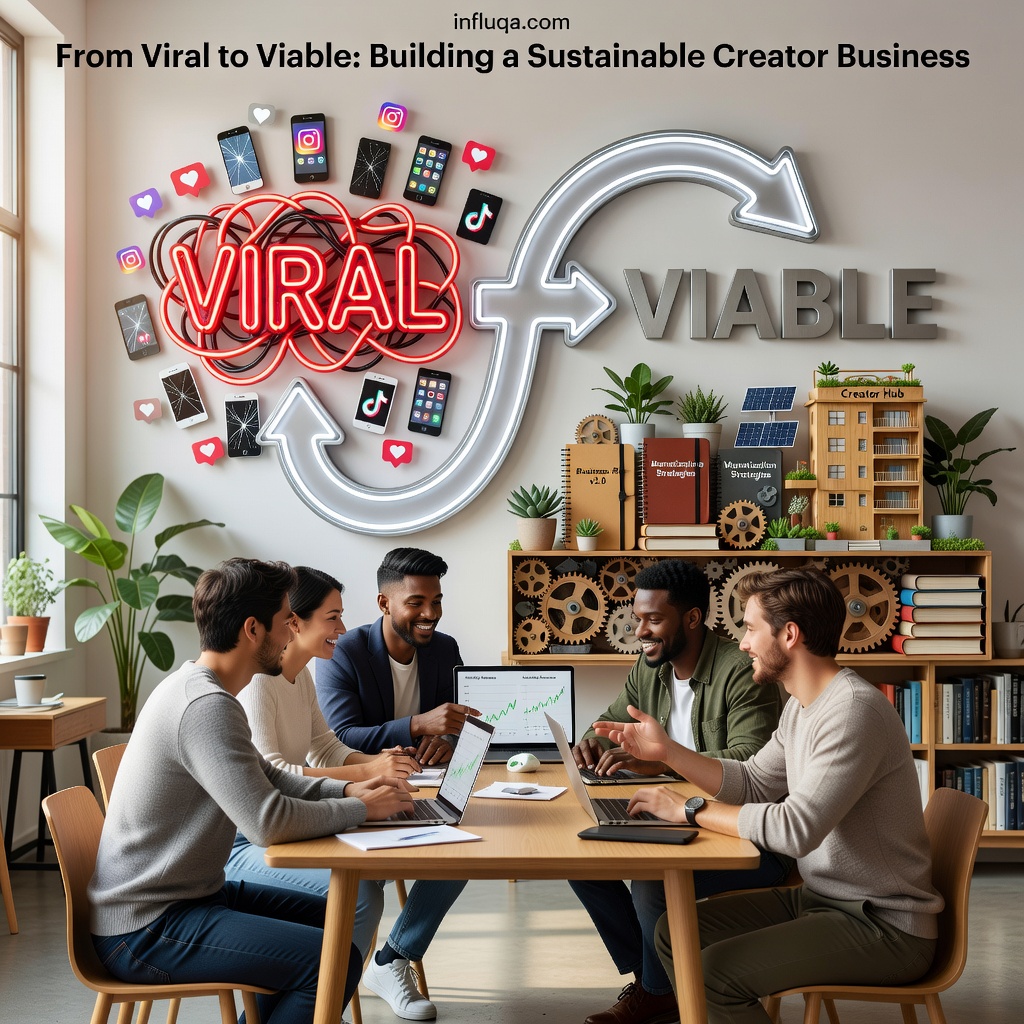
The journey from viral creator to viable business owner is a fundamental shift in mindset. It's moving from chasing likes to building assets. From relying on platform algorithms to cultivating a dedicated community. And from one-off brand deals to a diversified, resilient income portfolio. Let's break down how to build that bridge.
Beyond the Brand Deal: The Pillars of Creator Monetization
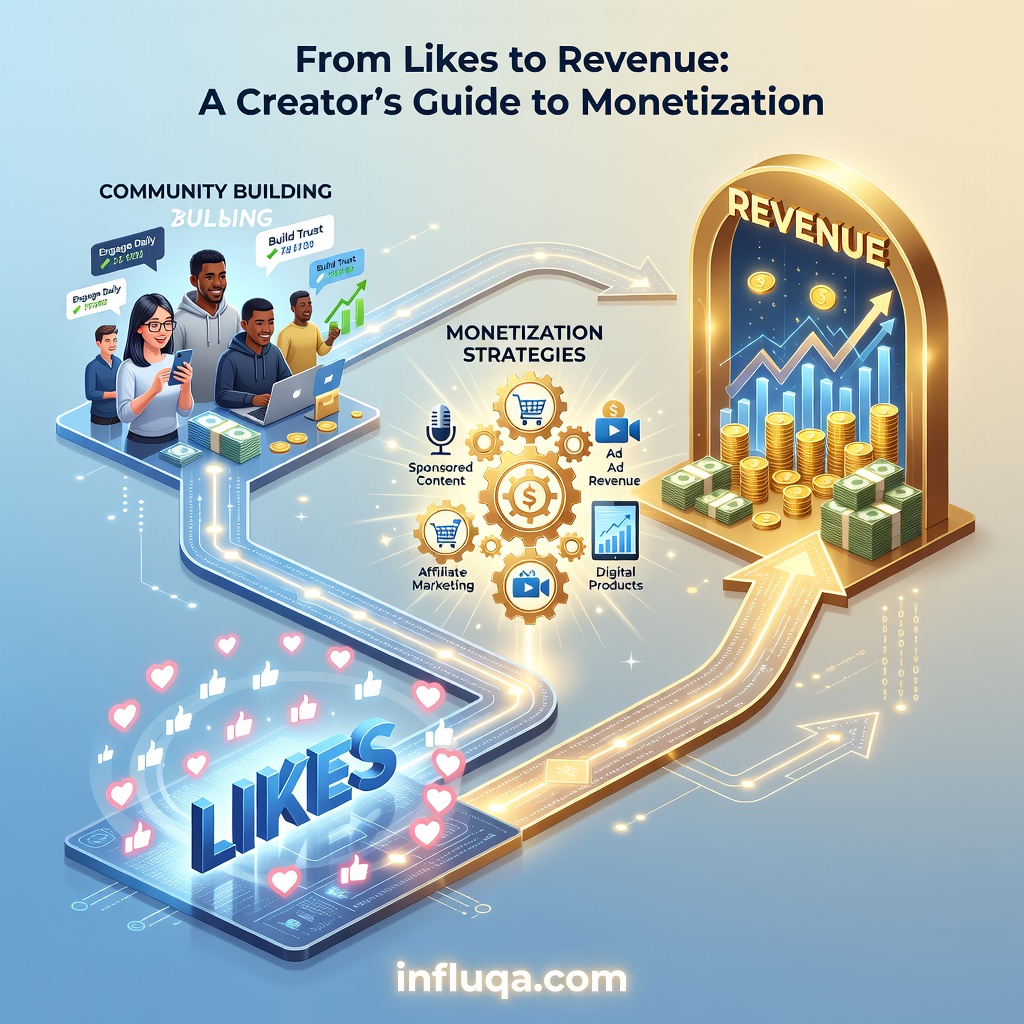
If your entire business plan is "get brand deals," you're building on sand. The most successful creators we see on platforms like Influqa treat their influence like a startup. They develop multiple revenue streams, each serving as a pillar holding up their financial future.
1. The Affiliate & Commission Engine
This is often the first step beyond ad revenue. It's performance-based, which aligns your success with the brand's. The key is authenticity. Promote products you genuinely use and love. A heartfelt tutorial showing how you use a specific camera lens, with an affiliate link, converts far better than a generic "use code XYZ for 10% off" post. Tools like Amazon Associates, rewardStyle (LTK), and brand-specific programs are gateways. Track everything. Know which links are clicked and what converts. This data is gold when you approach larger collaborations.
2. Digital Products: Your Scalable Asset
This is where you package your knowledge. Your time is finite; a digital product is not. It can be an ebook, a preset pack, a course, a template, or a paid newsletter. Think about the question you get asked most often. That's your product. A fitness creator might sell a 4-week home workout guide. A graphic designer might sell Canva templates. This creates an asset that earns while you sleep and establishes you as a true expert, not just a promoter.
3. Community as a Revenue Stream
Platforms like Patreon, Discord, and even Instagram Subscriptions allow your most loyal fans to support you directly. In return, you offer exclusive content, early access, Q&A sessions, or a private community. This isn't just about money; it's about building a buffer against algorithm changes. If Instagram's reach plummets tomorrow, your dedicated community on another platform remains. It’s a direct line to your core audience.
Virality gets you attention. A business model gets you freedom. The goal isn't to be a one-hit wonder on the explore page; it's to build a brand that outlives any single trend.
The Strategic Shift: From Creator to CEO
Making this transition requires operational changes. It's no longer just you, your phone, and a good idea.
Tip: Start treating your creative space like an office. Dedicate time for content creation, but also block out hours for admin, emails, contract review, and financial planning. Use tools like Trello or Notion to manage projects and deadlines. This professional structure is what separates a hobbyist from a business owner.
Contracts Are Non-Negotiable. A handshake deal over DM is a recipe for disaster. Every collaboration, no matter how small, needs a clear agreement outlining deliverables, timelines, usage rights, payment terms, and kill fees. Don't know where to start? Many creator advocacy groups offer template contracts. Protecting your work and your time is your number one job as CEO of your brand.
Financial Fluency is Key. Open a separate business bank account. Track income and expenses meticulously. Understand your tax obligations—set aside 25-30% of every payment for taxes. Consider working with an accountant who specializes in freelancers or creators. Knowing your net profit, not just your gross revenue, is critical. This clarity allows you to make informed decisions about what projects are actually worth your time.
Leveraging Virality Without Being Its Victim
A viral moment is a powerful tool, but you must wield it strategically.
First, Capture the Audience. The traffic spike from a viral video is like a surge of water. You need a funnel to channel it. Your bio link should never be just a single destination. Use a link-in-bio tool like Linktree or Beacons to direct people to multiple places: your YouTube channel, your newsletter signup, your top affiliate product, and your Instagram. The goal is to convert a passive viewer into a subscriber, a follower, or a customer on a platform you control.
Second, Analyze What Worked. Dive into the analytics. Was it the hook? The editing style? The topic? Reverse-engineer your own success. But don't just try to replicate it exactly. Understand the core principle. Was it solving a common problem? Providing unexpected entertainment? Use that insight to inform your future content, not to create carbon copies.
Third, Pitch Yourself While the Iron is Hot. This is where a platform like Influqa.com becomes invaluable. When you have momentum, brands are more likely to listen. Update your media kit with your latest viral metrics. Proactively reach out to brands that are a perfect fit for your newly amplified audience. Don't just wait for offers to come to you; strategically pursue the partnerships that align with your long-term brand vision. You can explore active collaboration opportunities on our offers page to see what brands are currently seeking.
Building a Brand, Not Just a Following
Your name is your brand. Everything you post, every product you endorse, every comment you make contributes to it. Consistency in your niche, your visual style, and your core values builds trust. Trust is the currency that allows you to launch products, raise prices, and weather controversies.
Think about creators who have successfully transitioned: they often have a recognizable aesthetic, a consistent tone of voice, and a clear area of expertise. Their audience doesn't just follow them for random videos; they follow them for a specific type of value—whether it's reliable tech reviews, calming cooking tutorials, or insightful business advice.
The path from "viral creator" to "sustainable business" is paved with intention, diversification, and a lot of behind-the-scenes work. It's about seeing yourself not as a user of a platform, but as the owner of a media company that happens to use that platform.
Start building your business model today, even if it's small. Launch that digital product. Set up your affiliate links properly. Draft a standard contract template. These steps compound over time.
If you're ready to move beyond virality and start building a real business with your influence, you need the right partners. Influqa is designed to connect serious creators with meaningful brand opportunities. It’s more than a directory; it's a platform for building professional relationships that fuel growth. Create your profile, define your offerings, and start approaching your creativity like the CEO you are. For more insights on growing your creator business, explore our blog for deep dives into strategy, negotiation, and industry trends.
The question isn't just "how do influencers make money." The real question is, "how will you build a business that lasts?" The answer starts with your next strategic move.