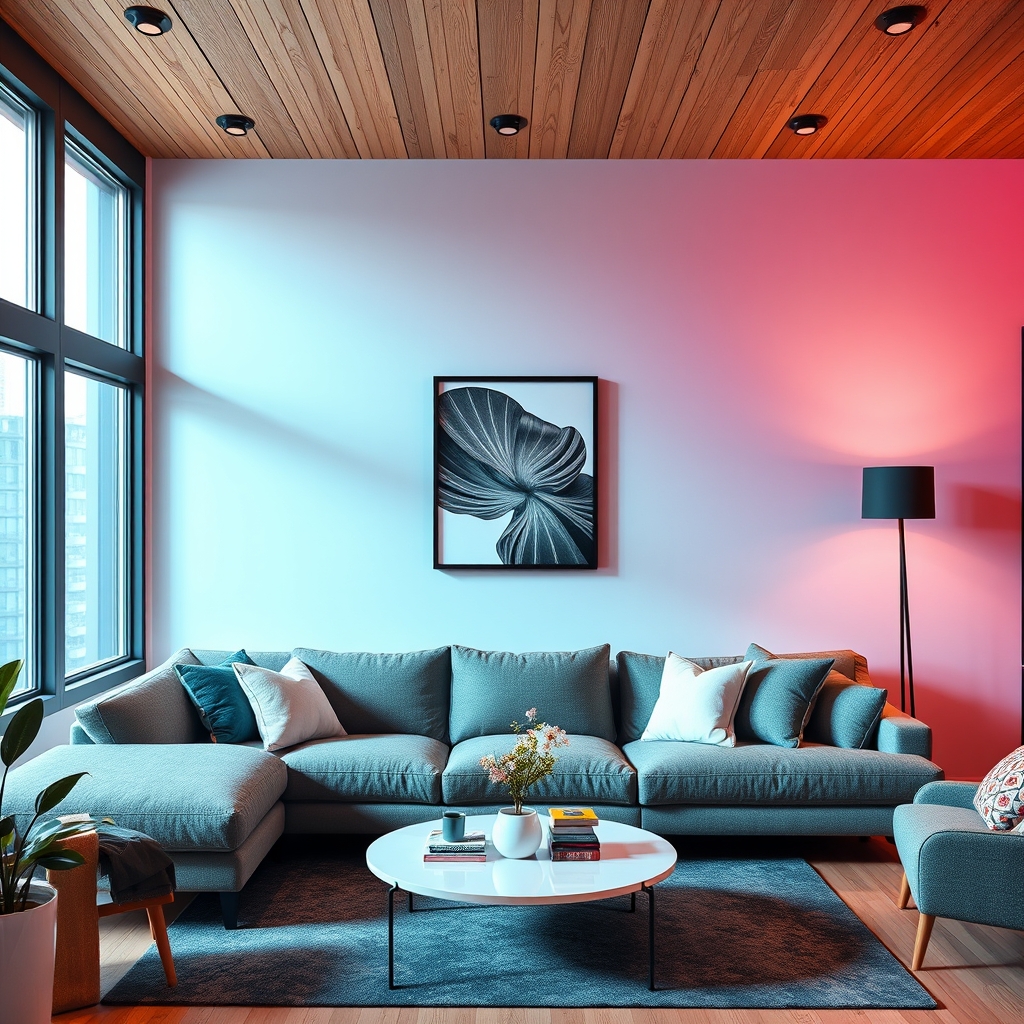
Right now, across Germany, a quiet revolution is brewing in living rooms and home offices. It’s not about politics or technology—it’s about interior design. Specifically, the search term "Wohnzimmer gestalten" (living room design) is exploding on Google Trends, capturing the nation's collective desire to reinvent their personal spaces. But this isn't just a DIY trend. It's a powerful case study in how a niche passion, when amplified by the right creators, becomes a dominant cultural and commercial force.
This surge speaks to a deeper shift. After years of global uncertainty, people are turning inward, investing in their homes as sanctuaries of comfort and self-expression. The "Wohnzimmer" is the heart of the German home, and its redesign represents a tangible project of hope and renewal. For brands and marketers, this isn't just a passing fad; it's a golden ticket into the minds and wallets of a highly engaged audience, but only if you understand the unique ecosystem of creators driving it.
The Architects of Aspiration: Germany's Home & Interior Creators
Gone are the days of generic home improvement shows. Today's inspiration is hyper-personalized, delivered daily by a cadre of relatable experts on platforms like Instagram and YouTube. These aren't distant TV personalities; they are next-door neighbors with a better eye for color. Creators like @wohn_sinn (Mona) and @kleiner.raum.grosses.glueck have built massive followings by focusing on real-world constraints—rental apartments, modest budgets, and typical German floor plans.
Their content is a masterclass in niche authority. A single video might deconstruct the "Scandinavian-German hybrid" style, source affordable dupes for designer furniture from German retailers, and provide a painstaking time-lapse of the entire makeover process. The trust they cultivate is immense. When they recommend a specific brand of eco-friendly paint or a versatile shelving unit, their community listens and buys. This is the ultimate creator economy loop: authentic inspiration begets trusted recommendation, which drives direct consumer action.
Why This Niche is a Brand Collaboration Goldmine
The "Wohnzimmer gestalten" trend offers uniquely fertile ground for influencer partnerships. First, the purchase intent is inherently high. Someone searching for living room ideas is in an active, commercial mindset—they are planning to spend money on furniture, decor, lighting, and textiles. Second, the content naturally integrates products. A room makeover is literally built around objects, making sponsored placements feel organic, not intrusive.
Key Insight: The most successful collaborations in this space aren't one-off posts. They are long-term partnerships where a creator uses a brand's products to solve a specific design challenge for their audience. Think "The 5-Week Sustainable Living Room Transformation powered by Brand X." This provides narrative depth and demonstrates real-life application.
For brands, from large furniture chains to direct-to-consumer lamp startups, finding the right creator is everything. A mismatch in aesthetic or audience values can backfire spectacularly. This is where a platform like Influqa.com becomes indispensable. Instead of guessing, you can systematically search for influencers by category like "Lifestyle & Home," and further filter by location to find creators who resonate with the German market's specific tastes and practical needs.
Beyond Aesthetics: The Data-Driven Side of Decor
What's fascinating about this trend is how it merges creativity with analytics. Top creators in this niche are adept at leveraging platform tools. They use Pinterest Trends to predict color popularity, Instagram Insights to see which shelving styles get the most saves, and YouTube analytics to understand if their audience prefers full renovations or quick styling tips. This data-informed creativity ensures their content—and by extension, the products they feature—hits the mark.
For a marketing strategist, this is a dream. You're not partnering with a creator who just posts pretty pictures; you're partnering with a savvy media operator who understands their audience's consumption habits. When you browse active collaboration offers on Influqa, you can often see this professionalism reflected in the pitch—clear deliverables, audience demographics, and content ideas that are already aligned with commercial goals.
"The goal is not to show a perfect, finished room. The goal is to show the process, the mistakes, the 'how-to,' so my community feels empowered to start their own project. That's where trust—and effective brand partnerships—are built." — A sentiment echoed by many successful German interior creators.
Navigating the Challenges: Authenticity in a Sponsored Space
The biggest risk in this cozy niche is the erosion of trust. German audiences, in particular, value transparency and authenticity. A living room is a deeply personal space, and audiences can instantly detect if a creator's passion has been replaced by a paycheck. The most successful creators maintain a rigorous curatorial approach. They only partner with brands whose products they would genuinely buy and use, and they are upfront about sponsored content.
For brands, this means your product must truly earn its place. It must have a compelling design story, quality craftsmanship, or a unique value proposition (like sustainability) that the creator can authentically champion. The collaboration should feel like a discovery the creator is sharing with friends, not an advertisement.
Actionable Strategies for Tapping into the Trend
So, how can your brand or agency effectively engage with this powerful niche? Follow this roadmap:
Deep Dive Research: Don't just look at follower counts. Spend time on platforms like Influqa to study creators' content style, engagement rates, and audience sentiment. Look for those who already mention products similar to yours in an organic way. Think Micro & Macro: While mega-influencers offer reach, micro-influencers (10k-100k followers) in specific German cities often have hyper-engaged, niche communities and higher trust levels. A mix of both can be powerful. Offer Creative Freedom: Provide guidelines and key messages, but let the creator tell the story in their voice. A rigid script will fail. They know what resonates with their audience better than anyone. Focus on Value-Added Content: Co-create a useful piece of content—a "Maximize Your Small Living Room" guide, a video on mixing vintage and modern pieces, or an Instagram Live Q&A on lighting principles. This positions your brand as a helpful authority. Track Beyond Likes: Use trackable links, affiliate codes, and unique landing pages to measure direct impact on website traffic and sales. This data is crucial for refining future campaigns.
The "Wohnzimmer gestalten" trend is more than a spike on a graph. It's a window into the modern consumer journey: a spark of inspiration from a trusted creator, leading to research, community discussion, and finally, a purchase. It proves that even the most traditional industries, like home furnishings, are being reshaped by the authentic, narrative-driven power of influencer marketing.
For brands ready to move beyond generic advertising and connect with audiences in a space that matters deeply to them, the opportunity is literally sitting in their living room. The first step is finding the right creative partners to help you tell that story. If you're looking to explore this or any other creator niche with precision, consider starting your search on a dedicated platform. Influqa.com provides the tools to discover authentic voices, analyze their impact, and build collaborations that feel as genuine and well-crafted as the beautifully designed spaces they inspire.