Why "The Great British Sewing Bee" is a Masterclass in Creator-Led Content
If you checked trending searches in the UK recently, you might have spotted something interesting. Alongside the usual news and sports, a show about making clothes is consistently capturing the nation's attention. "The Great British Sewing Bee" isn't just a cozy TV hit; it’s a fascinating case study in how a niche, skill-based format can explode across social media, creating a vibrant ecosystem of creators, tutorials, and brand collaborations. For anyone in the influencer marketing space, it’s a perfect example of how authentic passion drives engagement far more effectively than forced trends.
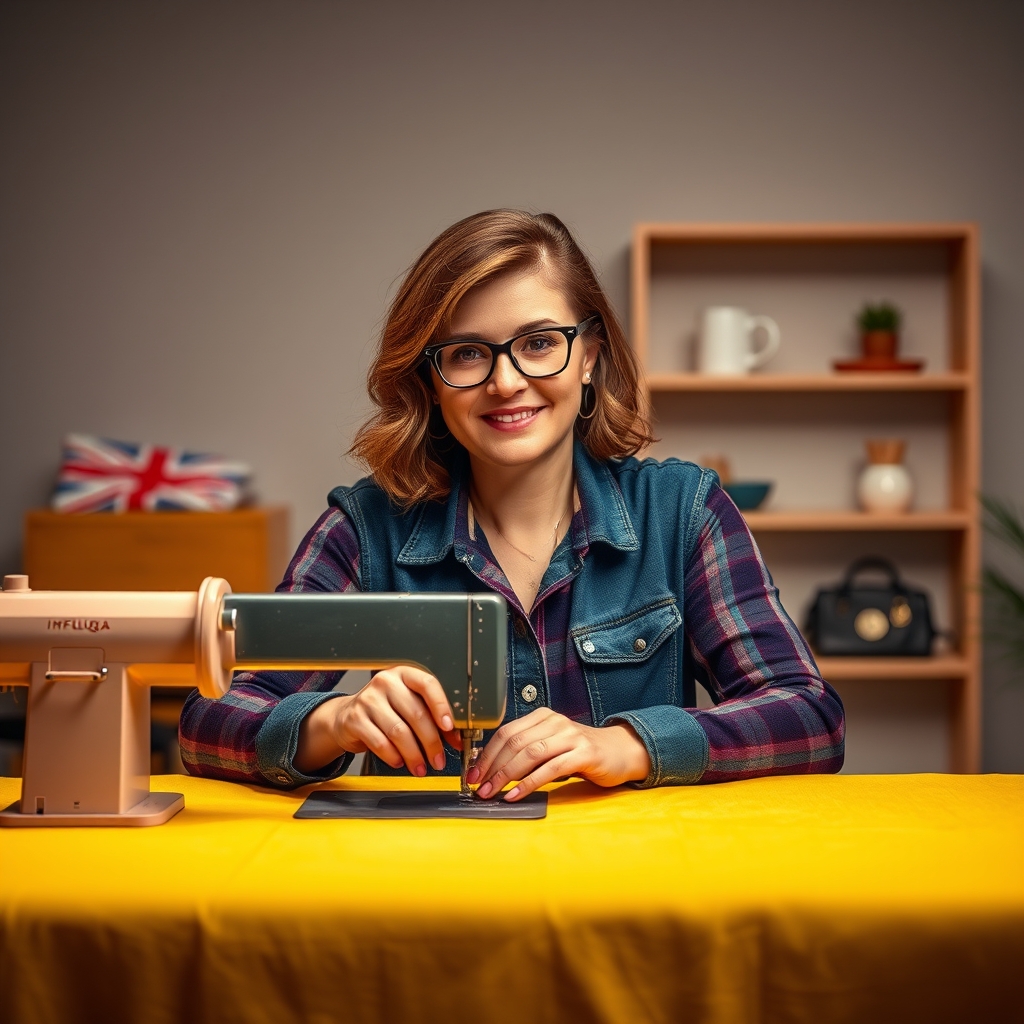
The show’s formula is simple: amateur sewers take on challenges, guided by expert judges. But off-screen, it has sparked a massive parallel universe. Viewers don't just watch—they rush to Instagram, TikTok, and YouTube to share their own attempts, seek advice, and celebrate the craft. This has given rise to a whole community of micro and macro-influencers who specialize in sewing, upcycling, and sustainable fashion. Their content is raw, educational, and deeply relatable, showing failed darts alongside perfect finished garments.
The Social Media Stitch-Up: How Creators Built a Community
Platforms like TikTok, with its #SewingBee hashtag amassing millions of views, have become the de facto hub for this conversation. Creators dissect the week’s challenges in real-time, post time-lapse videos of their own makes, and offer quick-fit hacks. This isn't passive consumption; it's interactive, communal learning. A creator might post a tutorial on piping after it features on the show, and their comments section turns into a support group for others trying the technique.
This organic growth is a goldmine for brands. Fabric retailers, pattern companies, and sewing machine manufacturers aren't just running ads; they're partnering with these trusted creators for authentic integrations. A creator might use a specific brand's thread for a #SewingBee challenge video, explaining why they chose it for its strength or color range. The collaboration feels natural because the product is central to the creator's genuine process. Finding influencers who have this level of authentic integration with a niche is exactly what platforms like Influqa.com are built for, allowing you to search by specific creative categories.
Key Lessons for Influencer Marketing Strategies
So, what can brands and marketers learn from a show about sewing?
Niche Expertise is King: The most engaged followers are those seeking specific skills. An influencer who is a true expert in a craft, like sewing, commands immense trust. Their recommendation carries weight that a general lifestyle influencer's might not. When looking for partners, delve deep into niches on directories like Influqa.com's influencer discovery platform. Community Over Broadcast: The #SewingBee social wave is a conversation. Successful creators and brands within this space participate. They answer questions, run sew-alongs, and feature follower makes. This builds a loyal, active community, not just a viewer count. Authentic Integration is Non-Negotiable: You can't fake passion for a craft. Branded content works here because the products are tools of the trade. The promotion is inherent to the content, not an add-on. This principle applies to any niche, from gaming to gardening. Long-Term Trends vs. Viral Flashes: While dance challenges come and go, the desire to learn and create is perennial. Aligning with these enduring, passion-driven trends offers more sustainable marketing opportunities than chasing every viral moment.
The magic happens when a TV show or trend provides a shared weekly topic, and social media provides the workshop where everyone learns together. That's where real influence is built.
How to Tap Into Creator-Led Niches for Your Brand
Interested in leveraging a passionate community like this for your brand? The strategy is different from broad-reach campaigns.
First, immerse yourself in the community without a sales pitch. Follow the top creators, understand the common pain points (e.g., "finding affordable quality fabric" or "mastering zippers"), and see what brands are already mentioned lovingly. Second, think about value exchange. Can you provide products for a creator's ambitious project? Can you sponsor an educational series? The goal is to be a helpful part of the ecosystem.
Finally, use the right tools to find your partners. Instead of vague searches, use platforms that allow for precise filtering. For instance, if you're a craft brand looking for UK-based creators, you could start your search on Influqa.com's country-specific influencer lists. Or, if you have a campaign specifically for Instagram Reels or TikTok, browse active collaboration opportunities on Influqa.com's Instagram offers page and TikTok offers page to see what kind of projects creators are currently seeking.
The rise of "The Great British Sewing Bee" as a social media phenomenon underscores a fundamental shift. Audiences crave depth, skill, and genuine connection. They follow creators who teach them something and foster a sense of shared purpose. For the influencer marketing industry, the lesson is clear: look beyond vanity metrics and into the heart of engaged communities. The most powerful collaborations are built on shared passions, not just demographics.
Whether you're a brand looking to connect with dedicated creator communities or a creator seeking meaningful collaborations, the focus must be on authentic alignment. Platforms like Influqa.com exist to bridge that gap, making these valuable connections clearer and more accessible. The next big, engaged niche might be waiting where you least expect it—perhaps even in something as timeless as a stitch and a thread.