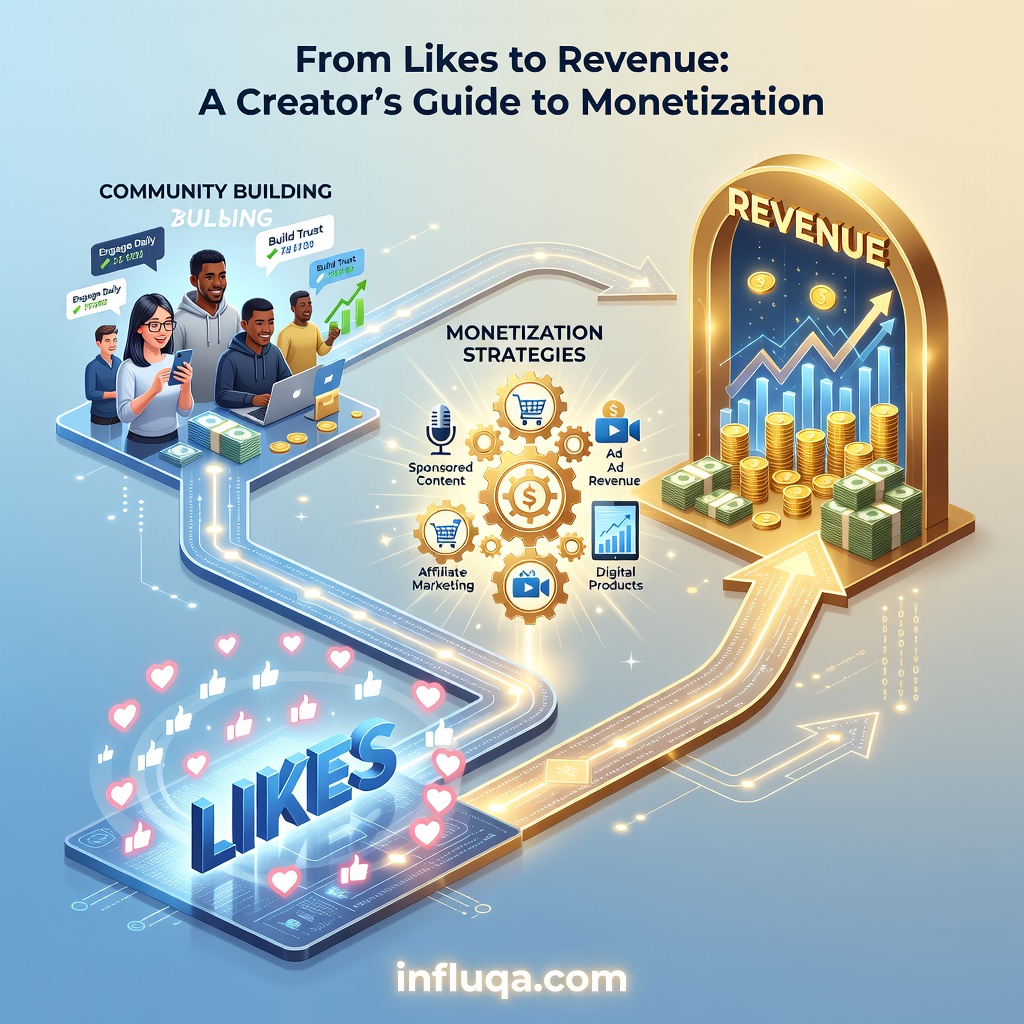
You've seen it happen. A creator you follow, maybe for years, suddenly announces a new product line. A skincare serum, a line of hoodies, a subscription box. The comments flood with congratulations, but a quieter, more cynical conversation starts in other corners of the internet. "Another cash grab." "Sold out." "Just an ad now." This moment, the pivot from pure content to product, is one of the most delicate in a creator's career. Get it wrong, and you erode the very trust you built. Get it right, and you build a sustainable business that outlasts any algorithm change.
This tension is at the heart of today's creator economy. In the UK, searches for topics like "creator brands" and "influencer product launches" are consistently trending, reflecting a public that is both fascinated and deeply skeptical. The dream is clear: leverage your audience into a self-owned empire. The fear is palpable: becoming just another branded billboard that loses its authentic voice.
So, how do you navigate this? How do you launch a product that feels like a natural, exciting next chapter for your community, not a jarring commercial break? The answer lies in a strategic, audience-first approach that treats the product not as an endpoint, but as a new form of content and value exchange.
Why Most Creator Product Launches Feel Like a "Cash Grab"
Before we build the right way, let's diagnose the common failures. The "sellout" accusation doesn't come from nowhere. It stems from a few critical missteps that break the invisible contract with an audience.
The Disconnect Between Content and Product
Imagine a booktuber who spends years reviewing literary fiction suddenly launching a line of energy drinks. The whiplash is instant. The product has no logical connection to the content that built the audience. The creator's expertise and passion lie elsewhere, making the product feel like a mere revenue vehicle chosen by a manager, not a genuine extension of their brand. Your product must solve a problem or fulfill a desire your audience already has, based on the conversations you've been having for years.
The "Surprise" Launch Without Buildup
Dropping a product link with a "check out my new thing!" post is the digital equivalent of a door-to-door sales pitch. It's transactional and jarring. Your audience has been on a journey with you; the product should be a destination they saw coming. Without a narrative arc—teasing the problem, sharing the development struggles, asking for feedback—the launch feels abrupt and purely financial. Platforms like Influqa show that the most successful creators are those who treat launches as long-term campaigns, not one-off events.
Prioritizing Scale Over Community
In the rush to hit revenue targets, creators often aim for the broadest possible market. But in trying to appeal to everyone, you speak to no one. Your most loyal followers—the ones who comment, share, and buy first—want to feel seen. A product made for "everyone" feels impersonal. A product made specifically for your community, addressing their unique inside jokes, pain points, or aspirations, feels like a membership badge.
The most powerful product you can launch isn't the one with the highest margin; it's the one that makes your core audience feel like co-creators, not customers.
The Audience-First Product Framework: Building With Your Community
Turning your audience into a business requires flipping the traditional model. You don't create a product and then find an audience. Your audience is the product's blueprint.
Step 1: Mine Your Existing Content for Clues
Your comment sections, Q&A videos, and community polls are a goldmine of unmet needs. What do people constantly ask you? "Where did you get that?" "Can you make a tutorial for that?" "I wish there was a tool that could..." These are direct requests for products. A fashion creator getting endless questions about sustainable denim has a clear signal. A tech reviewer bombarded with requests for simple setup guides has a potential digital product or toolkit. Use your analytics and engage directly on platforms to spot these patterns. This is where a deep understanding of your niche, something we champion at Influqa by category, becomes critical.
Step 2: The "Minimum Viable Audience" Test
Before you invest in manufacturing, validate the idea with your most engaged followers. Create a private group, send a detailed survey, or host a live stream brainstorming session. Present the problem and a potential solution. Ask for feedback on features, pricing, and design. This does two things: it improves the product, and it builds immense pre-launch buy-in. These early participants become your launch evangelists.
Step 3: Document, Don't Just Advertise
This is the single most important shift in mindset. The journey of creating the product is your content for months. Share the sketches, the failed prototypes, the factory visits, the packaging dilemmas. This transparency does the heavy lifting of marketing. It builds anticipation, demonstrates your commitment to quality, and makes the audience feel invested in the success of something they watched grow from an idea. When you finally launch, you're not selling a thing; you're offering the chance to own a piece of a story they helped write.
Navigating the Practical Pitfalls: Quality, Logistics, and Legalities
Even with perfect audience alignment, the physical (or digital) realities of product creation can sink you. Your name is on the line, so due diligence is non-negotiable.
Quality Control is Brand Control: Never, ever skip on sampling. Order multiple production samples and test them to destruction. If it's apparel, wash it 20 times. If it's skincare, test it for consistency. Your audience will forgive a delay, but they will never forgive sending them a shoddy product. It's a permanent stain on your reputation.
Understand the Unit Economics: The price on your website isn't just the cost of goods. It's manufacturing, shipping, packaging, storage, payment processing fees, returns, taxes, and platform costs. Use a simple formula: (Cost of Goods + Fulfillment + Fixed Overhead) x 2.5 = Minimum Retail Price. If that number seems too high for your audience, you need to rethink the product or the costs.
Get the Legal Foundations Right: This is boring but essential. Do you have the right business structure (Ltd, sole trader)? Are your trademarks cleared? Do your terms of service and privacy policy protect you? A consultation with a lawyer specializing in e-commerce or creator law is a wise upfront investment. Don't rely on free templates for something that could lead to major liability.
The Launch: Making It an Event, Not an Announcement
Your launch plan should mirror the buildup. Offer your "minimum viable audience" group first access or a special price. Create unboxing videos and send early units to a handful of trusted community members (not just mega-influencers) for genuine reviews. Host a launch live stream where you tell the full story and answer questions. Make the first purchase window feel exclusive and celebratory.
Remember, the launch is just the beginning. Post-launch communication about restocks, new colors, or how you're using feedback for Version 2.0 continues the story. It shows this is a real business, not a one-off project.
From Creator to Founder: The Long-Term Mindset
Launching a product changes your relationship with your audience, but it doesn't have to break it. By leading with value, involving them in the process, and executing with professional rigor, you transition from "influencer" to "founder." Your content gains a new dimension, and your business gains resilience beyond platform dependency.
This journey from audience to business is complex, but you don't have to map it alone. If you're a brand looking to collaborate with creators who have built this level of authentic, product-ready community, or a creator seeking the right partnership to bring your vision to life, the connection starts with the right platform. Exploring authentic collaboration offers on a site like Influqa can be the first step toward a partnership that respects the creator-audience bond. The goal isn't just to sell something today; it's to build something that lasts for years to come, alongside the people who made it possible.
Ready to explore what a true audience-first business could look like for you? The community and tools to get started are waiting. Consider this your invitation to build something real.