You see a creator's viral dance video, a perfectly curated Instagram feed, or a hilarious TikTok series, and a question pops into your head: How are they making money from this? For many aspiring creators and even established influencers, the path from posting content to building a sustainable, profitable business feels like a mystery wrapped in an algorithm.
The reality is that turning influence into income requires more than just followers. It demands a strategic shift from being a content creator to becoming a content entrepreneur. This is the core problem countless creators face: they have the audience, but lack the business framework to monetize it effectively and consistently. Platforms like Influqa.com exist to bridge that gap, connecting creators with real opportunities, but the foundation must be built first.
From Viral Moments to Viable Business: The Creator's Crucial Pivot
Viral success is an event. A business is a system. The most common pitfall is treating a sudden surge in views or followers as a business model. The buzz fades, the algorithm shifts, and without a diversified plan, that initial spark can fizzle out, leaving creators back at square one, wondering what went wrong.
This isn't just about getting brand deals. It's about constructing multiple, reliable revenue streams that work in harmony. It's about understanding your value beyond vanity metrics and learning to package your skills, audience, and influence into sellable assets. Let's dismantle the mystery and build a blueprint.
The Four Pillars of Creator Monetization
Think of your business as a table supported by four legs. The more legs you have solidly on the ground, the more stable your income will be, even if one platform or trend wobbles.
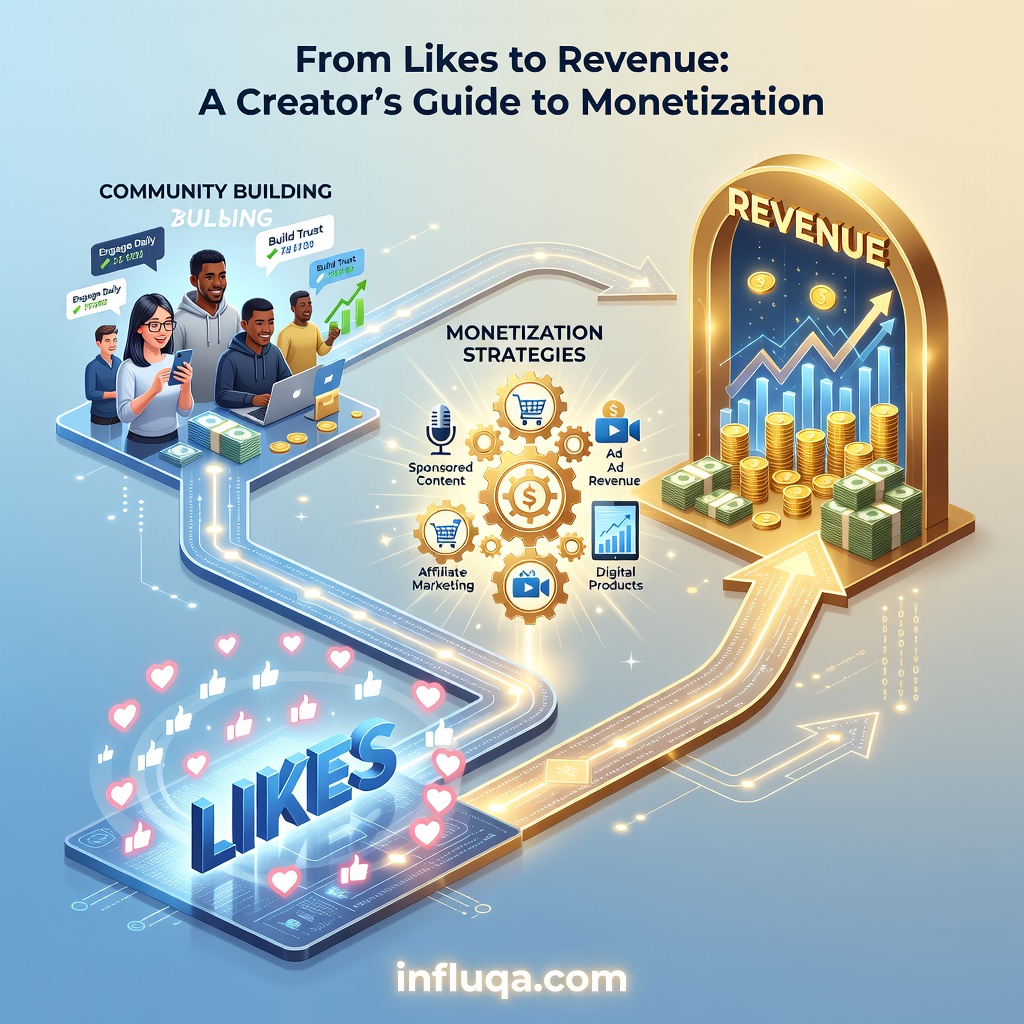
Brand Partnerships & Collaborations: The most direct path. This includes sponsored posts, affiliate marketing, and long-term ambassador roles. The key is relevance. A forced partnership erodes trust. Platforms like Influqa.com/offers can help you discover collaborations that align with your niche. Owned & Operated Revenue: This is where you control the transaction. Selling digital products (e-books, presets, courses), launching a membership community (via Patreon or Discord), or offering services like coaching or consulting. This builds independence from platform payouts. Platform-Based Earnings: Funds directly from the platform, such as YouTube's Partner Program, TikTok's Creativity Program Beta, Instagram bonuses, or Twitch subscriptions. These are great but should rarely be your only income source due to changing policies. Leveraged Assets: Using your influence to create opportunities in adjacent fields. This includes public speaking, writing a book, launching a physical product line, or equity-based partnerships with startups you believe in.
Building Your Monetization Engine: A Step-by-Step Guide
Knowing the pillars is one thing. Building them is another. This process is iterative, not overnight.
Step 1: Audit Your Assets
Before you can sell anything, know what you have. This goes beyond follower count. Analyze your audience demographics on each platform (age, location, interests). What problems do they consistently ask you to solve? What type of content gets the most saves, shares, or meaningful comments? This data is your product research. Tools within Influqa's documentation can guide you on tracking meaningful metrics.
Step 2: Define Your Value Proposition
You are not selling "influence." You are selling a result. Are you helping brands reach engaged young parents? Teaching a specific skill? Providing entertainment that offers an escape? Articulate this clearly on a media kit or your Influqa profile. Instead of "I have 100k followers," say "I help sustainable fashion brands connect with ethically-minded millennials through authentic styling tutorials."
Pro Tip: Your best-performing organic content is a preview of your paid potential. If your tutorial videos crush it, a digital course is a logical product. If your product reviews drive sales, affiliate marketing should be a major focus.
Step 3: Diversify Your Entry Points
Not every follower can afford a high-ticket coaching session. Create a monetization ladder. A follower might start by using your affiliate link (low commitment), then buy your $20 e-book (mid-tier), and later join your $50/month membership. This allows everyone in your audience to support you at a level they're comfortable with.
Step 4: Systematize and Scale
As deals and sales come in, chaos can follow. Create systems:
Use a standard rate card and contract for brand deals. Set up automated email sequences for digital product buyers. Use a platform like Influqa to manage collaboration inquiries in one place instead of scattered DMs. Block time for content creation, business administration, and outreach.
Treat this like the business it is.
Navigating Common Monetization Roadblocks
Even with a plan, hurdles appear. Here’s how to tackle them.
"Brands aren't responding to my pitches." Your pitch might be about you, not them. Research the brand, mention a specific campaign of theirs you admired, and immediately state the clear value you bring to their goal. A polished profile on a network like Influqa acts as a 24/7 pitch.
"I'm afraid to sell to my audience." Reframe selling as serving. If you genuinely believe your affiliate product or digital course solves a problem, recommending it is an act of help. Be transparent. Your trusted voice is why people follow you—use it honestly.
"The platform changed its monetization rules." This is the ultimate argument for diversification. If one revenue "leg" is kicked out, your others hold you up. Never build your entire house on rented land (someone else's platform).
Monetization isn't the end of authenticity; it's the beginning of sustainability. It's what allows you to keep creating the content your audience loves, full-time.
The Long Game: Treating Your Influence as an Asset
The most successful creator-entrepreneurs think in terms of asset building. Your email list, your unique content style, your community relationships, and your reputation are appreciating assets. Nurture them. Protect them. Read and understand the terms you agree to on any platform.
This mindset shift changes everything. You'll start making content decisions based on long-term brand building, not just the next viral hit. You'll choose partnerships that enhance your asset's value, not just your bank account for the month. You'll invest in better equipment, education, or hiring an editor because you're investing in your business's infrastructure.
Ready to move from creating content to building a creator business? The first step is connecting with the ecosystem. Explore active collaboration opportunities tailored to your niche on Instagram offers or TikTok offers at Influqa.com. See what brands are genuinely looking for, and use that insight to refine your own offerings.
Your influence has value. It's time to build the business that unlocks it. For more insights on growing your creator career, dive into our other resources on the Influqa blog.