You see a creator's video go viral overnight. Their follower count skyrockets. Brands start lining up. It looks like pure luck, a lightning strike of internet fame. But behind that sudden surge, there's almost always a hidden engine: a deep, often obsessive, understanding of analytics.
In the UK today, one of the top trending searches is for "YouTube Studio analytics," a clear signal that creators are moving past just posting content and are diving headfirst into the data. They're not just chasing views; they're trying to decode them. This shift marks a critical evolution in the creator economy. Success is no longer just about having a good idea—it's about knowing exactly how that idea performs, why it resonates, and how to repeat that success systematically.
For brands looking to collaborate, this changes everything. Partnering with a creator who ignores their analytics is like investing in a business with no accounting. You're operating on gut feeling alone. Conversely, a creator who masters their data becomes a strategic partner, capable of delivering predictable, scalable results for your campaign.
This post is your guide to moving from guesswork to growth. We'll break down the exact analytics that matter, show you how top creators use them to secure lucrative deals, and explain how platforms like Influqa.com are built to connect data-savvy creators with brands who value performance.
Why "Going Viral" Isn't a Strategy (And What Is)
Virality is an outcome, not a plan. It's what happens when content unexpectedly taps into a cultural moment. Relying on it is a recipe for burnout and inconsistency. The real strategy lies in sustainable growth, and that's built on a foundation of analytics.
Think of your analytics dashboard as a continuous focus group. Every view, like, share, and comment is a piece of feedback. Audience retention graphs tell you the exact second viewers lost interest. Traffic source reports show you where your most dedicated fans discover you. Ignoring this is like a chef refusing to taste their own food.
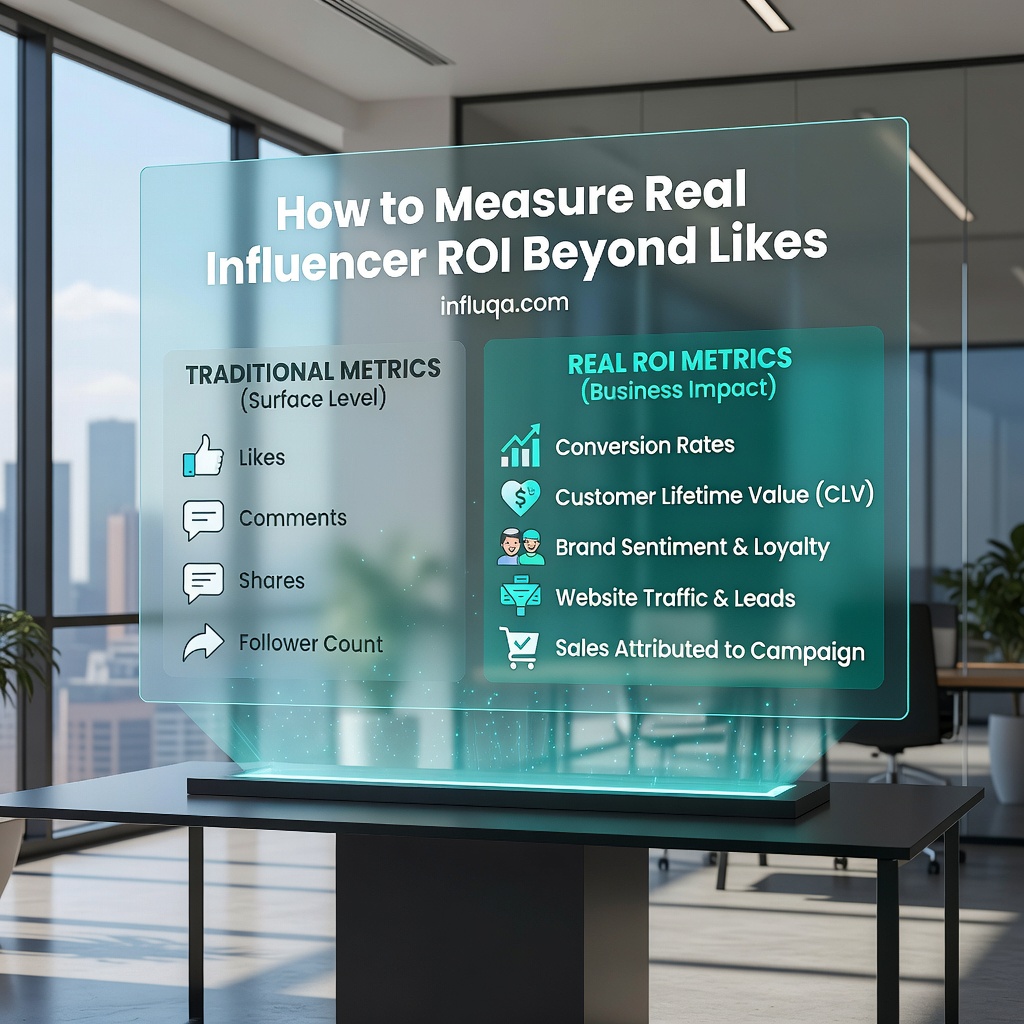
For influencers, robust analytics transform your pitch. Instead of telling a brand, "I have 100K followers," you can say, "My last three branded integrations had an average engagement rate of 8.2%, and 65% of my traffic comes from high-intent search, meaning my audience actively seeks out my recommendations." This is the language of marketing departments and secured collaborations.
If you're a brand exploring partnerships, you can find creators who already speak this language by browsing influencer profiles on Influqa, where many creators highlight their performance metrics and campaign results.
The Five Metrics That Actually Move the Needle
Not all data is created equal. Here are the core metrics that separate hobbyists from professionals:
Audience Retention: This is arguably the most important video metric. It shows you the percentage of viewers watching at each moment. A sharp drop-off at the 30-second mark? Your intro is too slow. A sustained plateau? You've hooked them. This metric directly informs content editing and pacing. Engagement Rate (Beyond Likes): Calculate this as (Likes + Comments + Saves + Shares) / Followers * 100. A high rate signals a dedicated, active community, which is far more valuable than a passive, large following. It's the difference between an audience and a community. Click-Through Rate (CTR): Essential for any link in your bio, affiliate campaign, or product shout-out. It measures how compelling your call-to-action truly is. A low CTR means your promotion feels disconnected from your content. Traffic Sources: Are viewers finding you via YouTube Search, "Suggested Videos," Instagram Explore, or external sites? This tells you where to double down. High search traffic, for instance, indicates your content has lasting "evergreen" value. Follower Growth Rate: Raw follower count is a vanity metric. The rate of growth week-over-week or month-over-month shows momentum. A steady 5% monthly increase is often healthier and more sustainable than a one-time 50K spike from a viral post.
Turning Data into Creative Direction
Data shouldn't stifle creativity; it should fuel it. Here’s how to translate numbers into your next content plan.
Let's say your audience retention graph shows a huge spike whenever you demonstrate a product hands-on, but a dip during lengthy explanations. The creative directive is clear: show, don't just tell. Structure your videos with more visual demonstrations upfront.
If your analytics reveal that your "day in the life" vlogs get 3x more shares than your product reviews, but the reviews drive more website clicks, you have a dual strategy. Use vlogs for broad audience growth and brand awareness, and use review content for targeted campaigns where conversion is the goal. You can explore different collaboration offers on Influqa that match each content type.
Pro Tip: Create a simple monthly "Content Audit." List your last 20 pieces of content. Next to each, note the top three performing metrics. Look for patterns. Is it the topic? The format (Reel vs. static post)? The time of day? This pattern is your unique content blueprint.
The Platform-Specific Deep Dive
Each platform's analytics offer unique goldmines.
YouTube Studio: The "Audience" tab's "Other videos your audience watched" section is a treasure trove for collaboration and competitive research. It shows you who else your subscribers are watching. Instagram Insights: Pay close attention to "Reaches" vs. "Impressions." Reaches tell you how many unique accounts saw your content. A high reaches/impressions ratio means your content is being spread to new people. TikTok Analytics: The "Follower Activity" chart showing when your followers are most active is incredibly precise. Schedule your posts for the peak hours within that window for maximum initial momentum.
For brands, understanding these nuances helps you vet creators. A creator who knows their TikTok "watch time" versus their Instagram "saves" is thinking strategically. You can search for specialists by platform, such as reviewing TikTok-specific offers on Influqa, to find experts who understand their native analytics.
How Analytics Forge Better Brand Deals
When you walk into a brand negotiation armed with data, you shift the relationship. You're no longer just a billboard; you're a media channel with a measurable ROI.
Start by building a one-page "Media Kit" that's heavy on insights. Include screenshots of your best-performing analytics (e.g., a high retention graph, a steady growth chart). Break down your audience demographics not just by age and location, but by interests and other channels they use. This shows a brand you understand your audience's entire journey.
Propose campaign ideas based on what you know works. "Given that my tutorial videos have a 40% higher completion rate, I suggest we integrate your product into a step-by-step guide, which historically drives more saves and long-term views." This is a solution, not just a placement.
"The most successful brand partnerships I've had started with me showing the brand something in my analytics they hadn't even considered. It builds immediate trust and turns a transaction into a collaboration."
Brands using Influqa.com to discover talent are increasingly filtering for creators who can provide this level of insight. It’s becoming a baseline for professional partnerships.
Avoiding Analysis Paralysis
With so much data available, it's easy to get overwhelmed. The key is to set clear, time-bound goals and only focus on the metrics that serve them.
Goal: Increase affiliate revenue. Focus Metric: Click-Through Rate (CTR) on bio links and swipe-ups. Test different call-to-action phrases and track which one lifts CTR. Goal: Grow a highly engaged community. Focus Metric: Engagement Rate and comment sentiment. Prioritize replying to comments and creating content that asks questions. Goal: Attract brand deals in a specific niche. Focus Metric: Audience demographics and content performance in that niche. Create a mini-portfolio of your top 3 pieces in that category to share in pitches.
Check in on your analytics in a scheduled, focused way—perhaps 30 minutes every Monday—rather than obsessively refreshing in real-time. Data needs time to accumulate to show true trends.
The Evergreen Advantage of a Data-Driven Approach
Algorithm changes. Trends fade. New platforms emerge. The one constant is that platforms will always provide data to their creators. By building your skills around interpreting that data, you future-proof your career. You develop a transferable skill set that works on YouTube today, whatever comes tomorrow, and on emerging platforms like those popular with creators in specific regions.
This approach also builds a more resilient business. When you know what works, you can diversify your content and income streams with confidence, moving into new categories or formats based on evidence, not just a hunch.
The journey from creator to professional influencer is paved with insights, not just inspiration. By embracing analytics, you take control of your growth, make smarter content, and build partnerships that last. It's the definitive shift from hoping for success to engineering it.
Ready to put these insights into practice and connect with opportunities that value a strategic approach? The first step is understanding your own data. The next is finding the right partners. Explore Influqa.com to see how a platform built for the modern creator economy can help you discover collaborations, analyze trends, and grow your influence on your own terms.