You've just wrapped up a campaign. The content is live, the creator was fantastic, and you're waiting for the results to roll in. Then, the report arrives. It's a spreadsheet—rows of numbers, percentages, and graphs that feel more like abstract art than actionable insights. You're left staring at a sea of data, wondering: what does this actually mean for my business? This is the silent crisis of modern influencer marketing. We have more data than ever, but turning it into a clear story of success is the real challenge.
This problem isn't just about confusion. It's about wasted budget, missed opportunities, and the inability to prove your team's value. When you can't decipher the analytics, you can't optimize. You're left repeating the same strategies, hoping for a different outcome. The key to unlocking growth isn't in collecting more data points; it's in learning to translate them into a powerful narrative that justifies investment and guides your next big win.
From Vanity Metrics to Value Metrics: What Really Matters
For years, the influencer marketing playbook was simple: track likes, follows, and comments. These vanity metrics are easy to grasp and even easier for creators to showcase. But they tell a superficial story. A post can garner thousands of likes from accounts that will never buy your product. The real story lies deeper, in the data that connects online activity to real business outcomes.
Shifting your focus requires a new vocabulary. Instead of just reach, think about engaged reach—the portion of the audience that actually stopped to interact. Move beyond likes to track saves and shares, which signal deeper content appreciation. Most importantly, you must connect the dots to conversion metrics. This is where platforms like Influqa.com become invaluable, as they help you discover creators whose audiences don't just watch, but act. The first step is to audit your current reporting. Are you measuring what's easy, or what's impactful?
The Three Pillars of Actionable Influencer Analytics
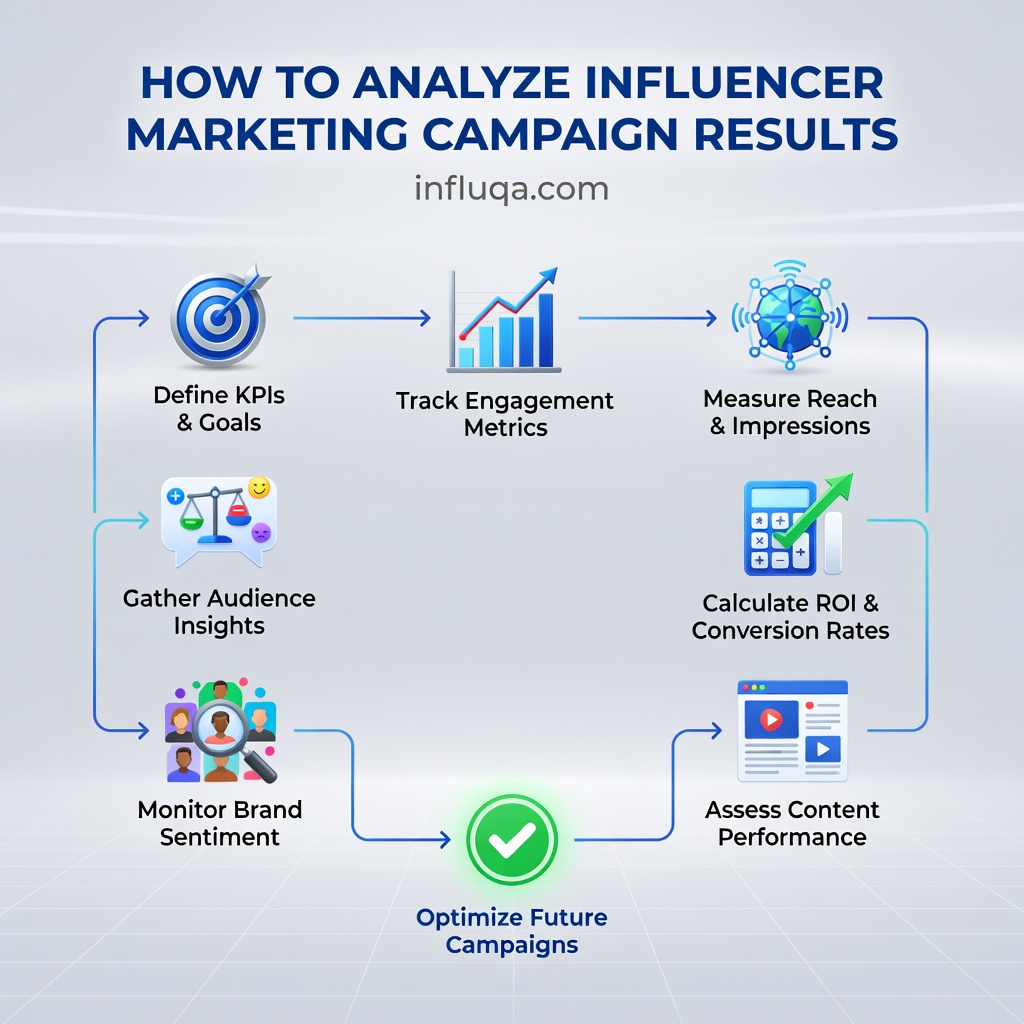
To build a report that speaks to your leadership and informs your strategy, structure your analysis around three core pillars.
- Audience Quality & Alignment: This goes beyond basic demographics. Did the creator's followers match your target customer profile? Tools and platforms that offer deeper audience insights, like those you can find when browsing influencers by category on Influqa, can pre-qualify this fit. Look for audience interests, brand affinities, and geographic concentration. A perfect alignment here is the strongest predictor of campaign success.
- Engagement Depth: Measure the quality of interactions. Calculate the engagement rate not just on likes, but on meaningful actions like link clicks, use of a campaign hashtag, or replies to questions posed by the creator. A 2% engagement rate driven by saves and "Add to Cart" mentions is infinitely more valuable than a 5% rate of simple likes.
- Conversion & Attribution: This is the holy grail. Use trackable links, unique promo codes, and UTM parameters for every collaboration. Monitor not just direct sales, but assisted conversions and lift in branded search volume. A sophisticated approach looks at the entire customer journey, acknowledging that an influencer might be the first touchpoint that leads to a purchase weeks later.
The most powerful number in your report isn't the impressions; it's the cost per conversion. When you can demonstrate a lower cost to acquire a customer through influencers compared to other channels, you have an undeniable case for budget expansion.
Building Your Narrative: The 5-Step Reporting Framework
Now, let's transform these pillars into a compelling story. Follow this framework to structure your next campaign report.
Define the "Why" Upfront: Start the report by restating the core campaign objective. Was it brand awareness for a new product? Driving sales for a specific collection? Growing your own social following? This frames every piece of data that follows. Show the Human Element: Before diving into numbers, showcase the best-performing content. Include a screenshot or embed of the top video or post. This reminds stakeholders of the creative quality and authentic connection that drove the results. Present the Data with Context: Never show a number in isolation. Instead of "We got 500,000 impressions," say "We achieved 500,000 impressions, surpassing our goal by 25% and exposing our product to an audience that was 80% within our target demographic." Use comparisons to goals, past campaigns, or industry benchmarks. Highlight the Business Impact: This is your climax. Dedicate a section to conversions. "The campaign generated 1,200 uses of our unique code 'CREATOR20', directly attributing $45,000 in revenue. Furthermore, we saw a 300% week-over-week increase in traffic to our product page from social sources." End with Insights & Recommendations: This is your conclusion and sequel hook. What did we learn? "Stories-driven content outperformed feed posts in driving link clicks by 60%. For our next campaign, we recommend allocating 70% of the budget to creators who excel in ephemeral content." This turns a post-mortem into a strategic springboard.
Essential Tools to Measure What Matters
You don't have to build these reports manually. Leverage technology to automate data collection and visualization.
Platform Native Analytics: Instagram Insights, TikTok Analytics, and YouTube Studio provide a wealth of free, creator-specific data. Dive into them to understand traffic sources, audience watch time, and follower growth spikes.
Influencer Marketing Platforms: Solutions like Influqa (you can explore their documentation here) often include campaign tracking features. They can help manage collaborations from discovery to reporting, centralizing data from multiple creators and platforms into one dashboard.
Social Listening & Attribution Software: Tools like Brandwatch, Sprout Social, or even Google Analytics with proper UTM tagging are crucial. They help you track mentions, sentiment, and the website behavior of users who arrived via an influencer's link, painting a complete picture of impact.
Pro Tip: Create a single "Source of Truth" dashboard using a tool like Google Data Studio or Looker. Connect it to your social platforms, web analytics, and CRM. This live document becomes your go-to for real-time campaign health checks and eliminates last-minute report scrambling.
Translating Data into Your Next Winning Strategy
The final, and most critical, step is using your analysis to fuel future growth. Your report should answer three strategic questions.
Which creator partnerships should we renew? Identify the creators who delivered the strongest alignment and conversion. Look beyond the biggest follower count to find those with the most engaged, responsive audience for your niche. Building long-term ambassador relationships with these stars often yields better returns than constantly onboarding new ones. You can start finding these ideal partners by checking active collaboration offers on Influqa.
What content format and messaging resonated most? Did unboxing videos drive more sales than styled photos? Did tutorials outperform hauls? Use your engagement depth metrics to double down on what works. This allows you to give more precise, effective creative direction in your next campaign brief.
Where are the untapped opportunities? Did you notice high engagement from a geographic region you hadn't targeted? Was there a specific product feature that creators and their audiences kept mentioning? This data can inform not just your marketing, but product development and inventory planning.
Moving from data overwhelm to strategic clarity is what separates effective influencer marketing teams from the rest. It transforms you from a cost center into a proven growth engine. By focusing on value metrics, structuring a compelling narrative, and using insights to guide your next move, you build a case that is impossible to ignore.
The journey begins with your very next campaign. Start by defining one key business goal beyond awareness, and work backwards to determine the single most important metric to track. For more insights on building effective strategies, explore our other guides on the Influqa blog. And when you're ready to find creators who can deliver not just content, but measurable results, Influqa.com is built to help you discover, analyze, and collaborate with confidence.