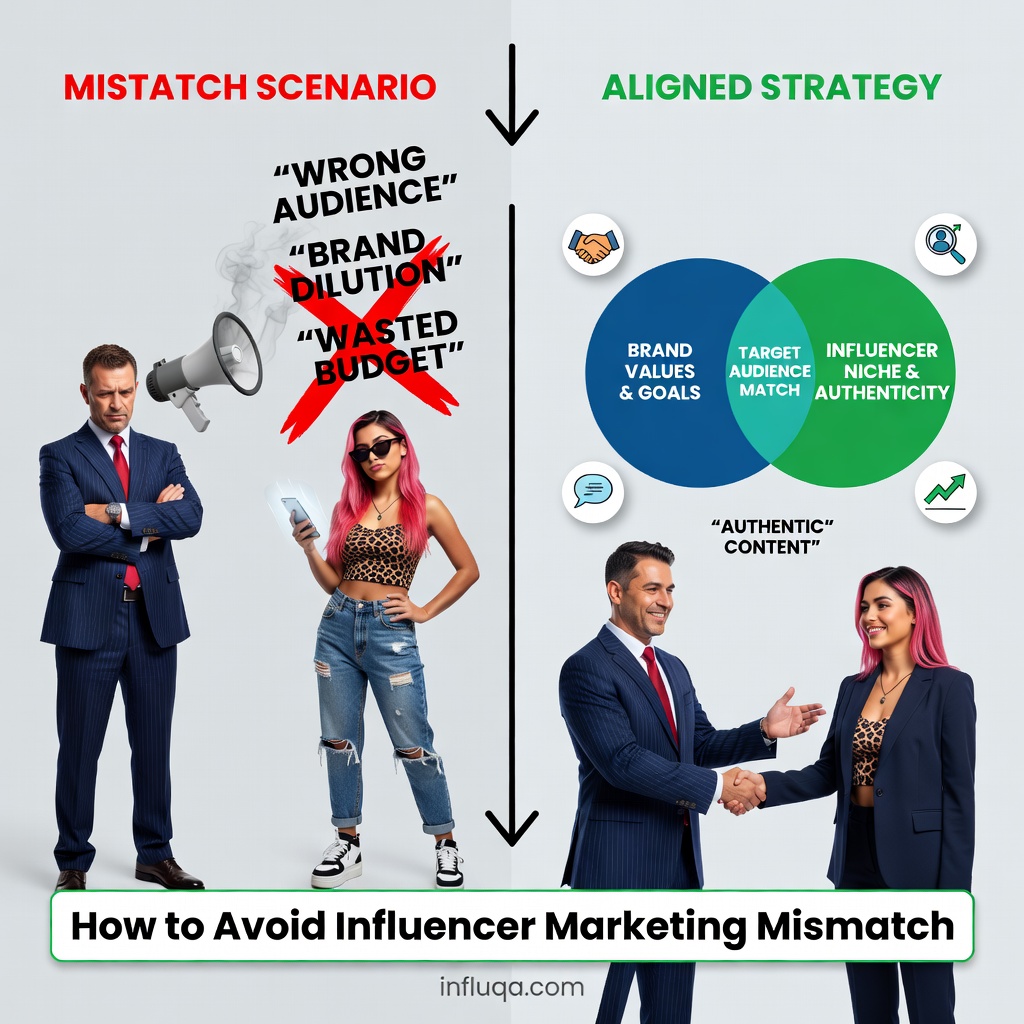
You've seen it happen. A creator you follow suddenly pivots. Their cozy baking channel starts featuring luxury car reviews. Their mindful meditation streams are interrupted by aggressive software promotions. It feels jarring, doesn't it? For the audience, it's confusing. For the brand, it's a wasted budget. For the creator, it's a reputation risk.
This is the mismatch problem, and it's the silent killer of influencer marketing campaigns. It happens when a creator's personal brand, audience, and content style don't align with the product or service they're promoting. The result is low engagement, skeptical comments, and a campaign that fails to deliver real value for anyone involved.
Why Brand-Creator Alignment Is Non-Negotiable
Think of your favorite creator. You follow them for a specific reason—their expertise, their humor, their taste. There's an unspoken contract of trust. When they recommend something, you listen because it feels like a recommendation from a friend in that specific niche. Break that contract with an irrelevant promotion, and the trust evaporates.
For brands, this misalignment is a direct hit to your return on investment. You're not just paying for a post; you're paying for authentic advocacy. A mismatched creator can't provide that. Their audience didn't sign up for your message, so they'll simply scroll past. Worse, they might call out the inauthenticity in the comments, creating a public relations headache instead of a marketing win.
Platforms like Influqa.com were built to solve this exact issue. By allowing brands to discover creators based on deep categorical filters and authentic audience data, the platform moves beyond vanity metrics to find true partnership potential. It's about connecting the right voice with the right message.
The Three Pillars of Authentic Alignment
To avoid the mismatch, you need to evaluate potential collaborations against three core pillars.
- Content and Aesthetic Harmony: Does the creator's visual style, tone of voice, and content format complement your brand? A minimalist skincare brand will struggle in the hands of a creator known for chaotic, high-energy comedy sketches. The clash is visceral and immediate. Browse a creator's entire feed, not just their top posts. Does your product look like it belongs there?
- Audience Demographics and Psychographics: Age, location, and gender are just the start. You need to understand the audience's interests and intent. A gaming creator might have an audience that's 70% male, aged 18-24. Perfect for energy drinks or gaming hardware, but likely a poor fit for high-end women's fashion. Use the insights available on Influqa's category pages to drill down into creator niches.
- Values and Narrative Fit: This is the deepest layer. Does the creator stand for things your brand believes in? If your company is built on sustainability, a creator who frequently promotes fast fashion hauls is a dangerous partner, regardless of their follower count. The audience will spot the hypocrisy instantly. Always review a creator's past partnerships and their stance on key issues.
The most powerful influencer marketing feels less like an ad and more like a discovery. The creator isn't selling; they're sharing something they genuinely love with people they know will love it too.
A Practical Framework for Finding "The One"
Moving from theory to practice requires a systematic approach. Don't just pick the biggest name in a vague category.
Step 1: Define Your "Why" Beyond the Product. Are you launching a new product? Trying to reach a new geographic market, like those found in specific country lists? Rebuilding brand trust? Your goal dictates the type of creator you need—an established authority versus an emerging trendsetter.
Step 2: Audit for Authentic Integration. Look at how the creator has integrated products in the past. Is it a seamless part of their story, or a forced 30-second ad read? Can you imagine a genuine, unscripted moment where they would use your product in their daily life?
Step 3: The Micro-Moment Test. Before finalizing a deal, propose a creative concept. Give them loose guidelines, not a rigid script. Their excited reaction and own ideas are a better indicator of fit than any metric. If they immediately "get it" and suggest ideas that align with their style, you're on the right track.
Pro Tip: Don't overlook micro-influencers in niche communities. Their alignment is often razor-sharp because their content is hyper-focused. A creator with 15,000 dedicated hiking enthusiasts will outperform a generic lifestyle creator with 150,000 followers for a brand selling specialized outdoor gear. Explore active collaboration offers to see what kinds of partnerships creators are genuinely seeking.
Real-World Examples: Alignment in Action
Consider a premium coffee brand partnering with a creator who films slow, cinematic morning routines. The product fits the ritual. The aesthetic—warm lighting, quiet spaces—matches the brand's image. The audience is there for that specific, calm vibe and is primed to discover products that enhance it. The promotion feels like a natural extension of the content.
Contrast that with a creator known for frantic, hilarious office pranks suddenly holding up a bag of artisanal coffee. The disconnect is obvious. The audience is there for comedy, not commerce, and the brand's premium image is diluted by the context.
Platforms are catching on. TikTok's surge in niche, interest-based communities means alignment is easier to find but more critical than ever. A brand can find incredible success by partnering with creators in specific TikTok verticals, where audience passion runs deep and trust is high.
Building Partnerships, Not Transactions
The end goal is to move beyond a one-off sponsored post to a lasting partnership. When alignment is perfect, the creator becomes a true brand ambassador. They use your product off-camera. They suggest improvements. They advocate for you to their peers. This level of advocacy is priceless and turns marketing into a genuine growth engine.
This journey starts with due diligence. Tools and platforms exist to remove the guesswork. By leveraging a dedicated service like Influqa, you can filter not just by numbers, but by essence. You can read a creator's own collaboration guidelines, understand their audience narrative, and initiate a conversation that's based on mutual fit from the very first message.
Remember, your brand's reputation is partially entrusted to the creators you partner with. Their authenticity becomes your authenticity. Their audience's trust transfers to your product—but only if the fit is real.
Your Next Step Towards Perfect Partnerships
If the fear of a mismatched, underperforming campaign has held you back from influencer marketing, it's time to change your approach. Stop searching for influencers, and start looking for partners. Look for the creators whose world your brand already fits into.
The landscape is vast, but you don't have to navigate it alone. Consider starting your search on a platform designed for meaningful connections. Explore the profiles on Influqa, where you can see what creators are genuinely interested in promoting. You might just find the perfect voice that doesn't just speak to an audience, but speaks for your brand.
Ready to build campaigns that resonate? The right partnership is out there, waiting to be discovered.