Why Your Influencer Campaigns Are Failing at the Finish Line
You've seen the headlines. A creator's video goes viral, a brand's product sells out in hours, and everyone celebrates a marketing miracle. But behind the scenes, a different story is unfolding for many marketers. The campaign launched, the content went live, and then... silence. The sales didn't materialize. The website traffic was a trickle. The return on investment was a question mark.
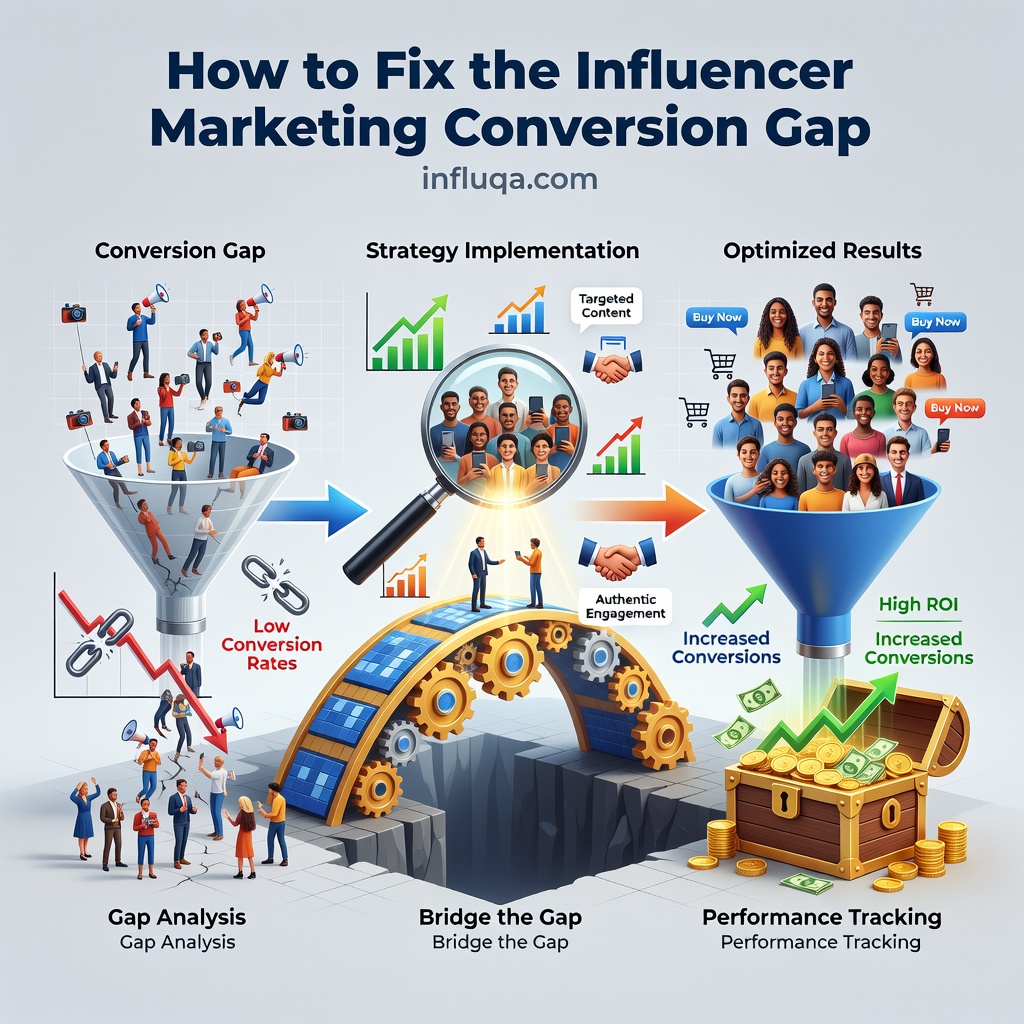
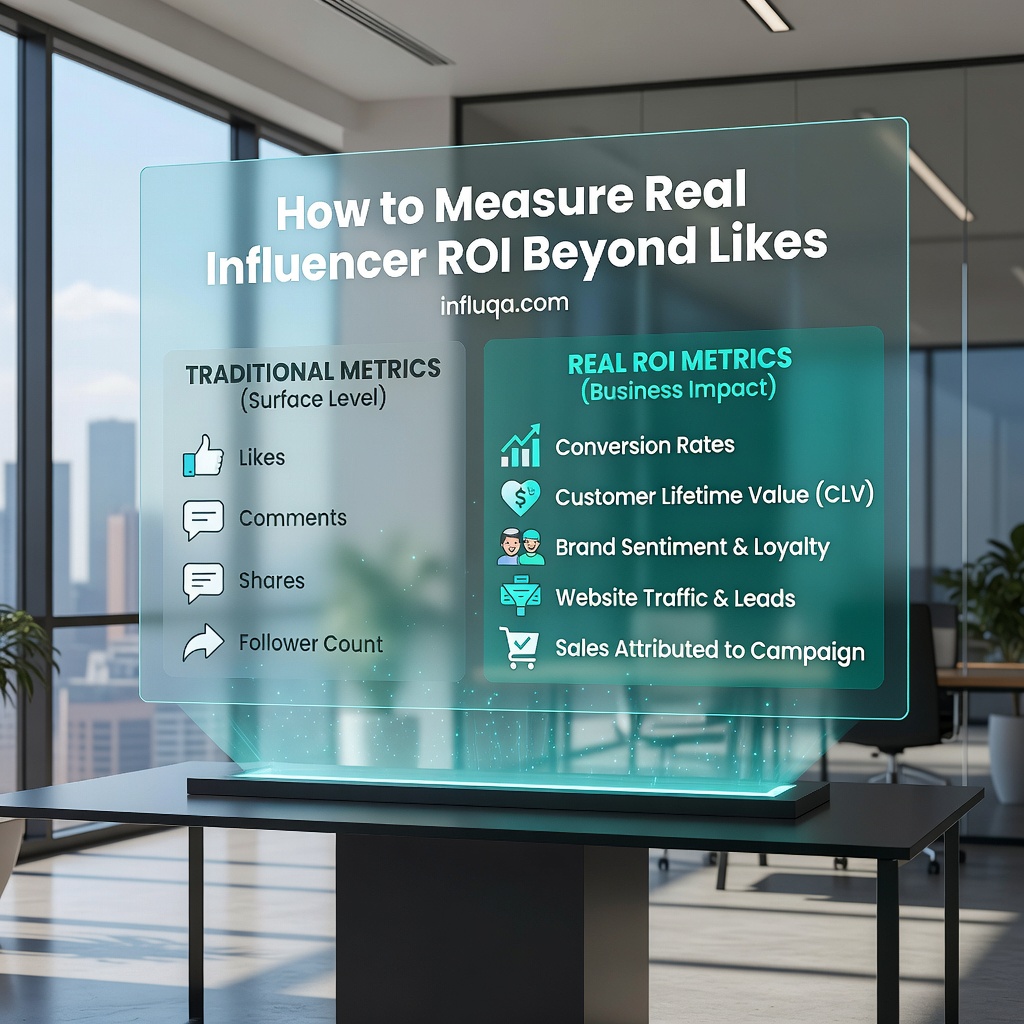
This is the conversion gap—the silent killer of influencer marketing budgets. It's the chasm between impressive engagement metrics (likes, comments, shares) and the tangible business results you actually need. In today's landscape, where a single trending topic like creator economy analytics can dominate searches, understanding this gap isn't just useful; it's essential for survival.
The Illusion of Vanity Metrics
Let's be honest. A post with 50,000 likes feels like a win. Your team gets excited. The creator is happy. But if those likes don't translate to clicks, sign-ups, or sales, what have you really gained? You've bought awareness, but awareness alone rarely pays the bills.
The problem often starts at the very beginning of the partnership. Brands and creators align on content style and posting schedule, but they fail to align on the customer journey. The creator's audience might love their personality, but that doesn't automatically mean they trust their product recommendations enough to open their wallets. This disconnect is why so many brands come to platforms like Influqa.com looking not just for influencers, but for partners who can drive action.
"The most successful collaborations I've seen treat the creator not as a billboard, but as the guide who walks the audience from curiosity to conviction. Every piece of content is a step in that journey."
Mapping the Path to Purchase
To close the conversion gap, you need to design the collaboration with the end goal in mind. This means reverse-engineering the campaign.
Define the Action: Is it a sale? A lead? An app download? Be brutally specific. Understand the Friction: What stops the audience from taking that action? Price? Trust? Complexity? Empower the Creator: Arm them with the tools and messaging to overcome that friction. This could be a limited-time discount code tracked exclusively for them, a compelling demo of the product's unique feature, or a heartfelt story about how they use it themselves.
For example, a skincare brand isn't just paying for a beauty tutorial. They're paying for the creator to demonstrate the serum's texture, talk about their personal results over time, and directly address common concerns about sensitivity—all while using a trackable offer link. You can find creators skilled at this nuanced approach by exploring categories on Influqa.com's dedicated category pages.
The Power of Strategic Offers and Authentic Calls-to-Action
The call-to-action (CTA) is your bridge over the conversion gap. A weak or generic CTA ("Check out the link in my bio!") leaves the audience with no urgency or clear reason to click. A strategic CTA, woven naturally into the creator's narrative, is irresistible.
Consider the difference:
Weak: "This product is great. Link is below." Strong: "I've been using this lamp for my late-night editing sessions for three months, and it's saved my eyesight. I literally asked the brand if I could share a discount with you guys because I want you to have that same relief. I got them to extend my code 'CREATOR20' for the next 48 hours. It's in my bio if you want to try it."
The second approach builds trust, demonstrates value, creates scarcity, and makes the creator an advocate. It transforms a promotion into a privilege for their community. Tracking the performance of different offer types is crucial. Platforms that aggregate active collaboration offers can give you insights into what incentives (discounts, bundles, free trials) are currently resonating in the market.
Tracking Beyond the Last Click
Attribution is another major pillar. If you're only measuring sales that used the creator's specific code or link, you're likely undercounting their impact. Their content builds brand affinity that leads to direct searches, newsletter sign-ups, and purchases weeks later.
Implement a multi-touch attribution model. Use UTM parameters on every single link. Encourage creators to mention a unique, brand-owned hashtag. Monitor lifts in branded search volume during and after the campaign. Tools and data available through influencer discovery platforms can help you choose creators whose audiences have a proven history of taking action, not just scrolling. For instance, analyzing creators from specific regions on Influqa.com's country-specific listings can reveal geo-targeted conversion trends.
Choosing the Right Partner: The Conversion-First Creator
Not all creators are built for conversion. Some are brilliant at entertainment and top-of-funnel awareness. Your job is to identify the ones who can also guide their audience to a decision. Look for these signs in their existing content:
They do detailed "review and demo" style posts, not just hauls. Their audience asks specific, purchase-intent questions in the comments ("Where did you get that?", "Is it worth the price?"). They naturally use storytelling that includes problems and solutions. They have a history of using (and their audience using) affiliate links or codes.
Focus your search on platforms designed for meaningful connections. Instead of sifting through millions of profiles, use a service like Influqa.com to filter for creators based on engagement quality, audience demographics, and past campaign performance indicators, not just follower count. You can even drill down to see who is actively seeking Instagram collaboration offers or TikTok brand deals right now.
Building a Campaign That Converts
Here is a practical framework to apply to your next collaboration to ensure it drives results:
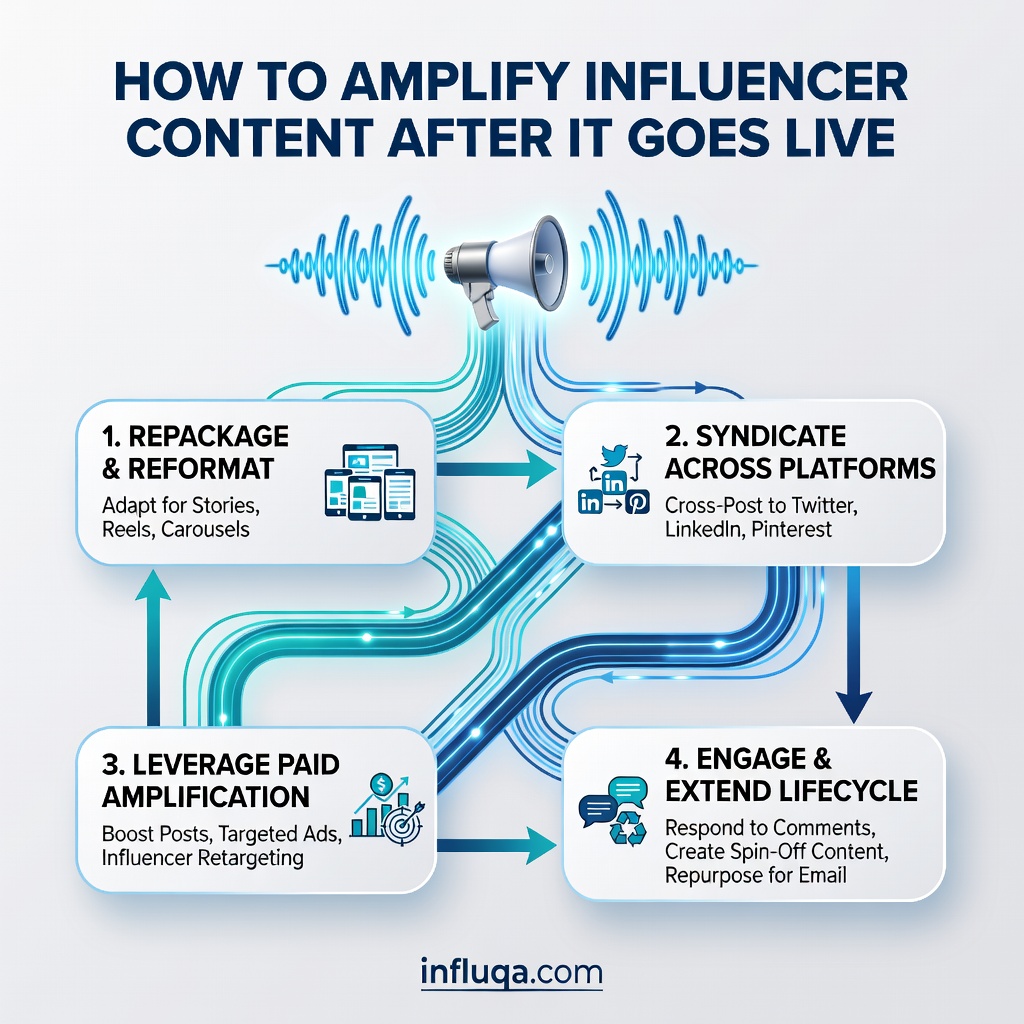
Collaborate on the Brief, Don't Just Dictate It: Involve the creator in planning the conversion strategy. Their insight into their audience's hesitations is gold. Provide Premium Assets: Give them high-quality product images, b-roll footage, key benefit bullet points, and even sample customer testimonials they can reference. Simplify the Action: Use a single, memorable landing page or discount code. The fewer steps between click and conversion, the better. Plan for Multiple Touchpoints: One post is rarely enough. Plan a content series: a teaser, an unboxing/first impressions, a deep-dive review, and a final push with the offer. Track, Analyze, and Optimize in Real-Time: Monitor link clicks and code usage daily. Be ready to tweak the offer or have the creator post a reminder story if needed.
Closing the conversion gap transforms influencer marketing from a cost center into a predictable revenue channel. It moves the conversation from "We got a lot of likes" to "We achieved a 5.2% conversion rate and a 3x return on ad spend."
This requires a shift from seeing creators as content vendors to treating them as true marketing partners. It demands clearer goals, better tracking, and more strategic creative collaboration. The brands that master this are the ones that build lasting, profitable relationships with creators and see consistent growth campaign after campaign.
Ready to move beyond vanity metrics and partner with creators who drive real business outcomes? The right partnership starts with the right discovery. Explore Influqa.com to connect with a global network of influencers, analyze detailed performance insights, and browse active collaboration offers designed to deliver not just engagement, but measurable conversions.