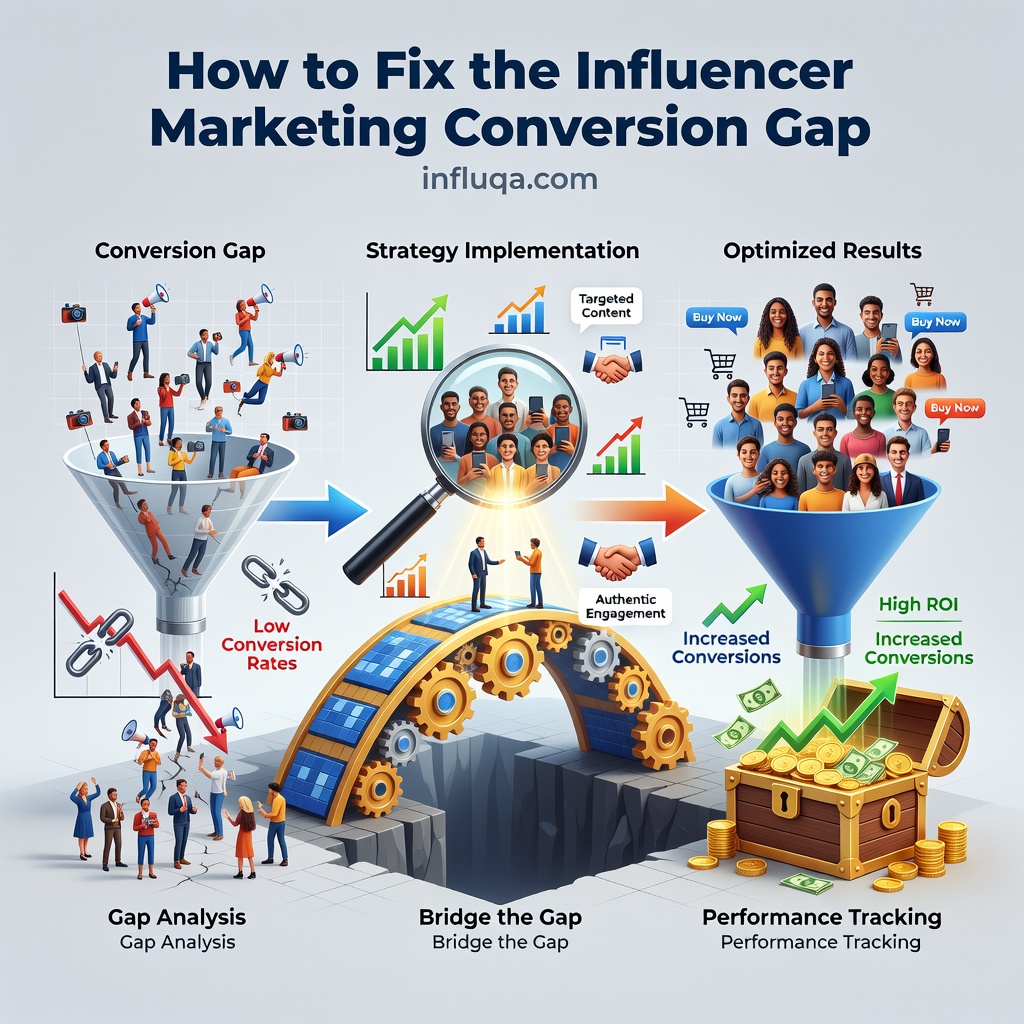
You've seen it happen. A creator you follow suddenly starts talking about a new product. Their tone is a little off, the integration feels forced, and the comments quickly fill with a single, damning word: ads. The audience feels sold to, the creator's authenticity takes a hit, and the brand partnership risks backfiring. This is the creator-brand disconnect, a fundamental problem in influencer marketing where collaboration feels like a transaction, not a genuine recommendation.
Today, audiences are savvier than ever. They can spot an inauthentic partnership from a mile away. The trending searches and discussions, like the recent viral conversations around "forced ads" on platforms like TikTok and YouTube, highlight a growing public fatigue. People follow creators for trust and relatability, not for interrupted commercials. The core problem isn't that creators do ads—it's that the ads often don't feel like they come from the creator.
Why Authenticity is Your Most Valuable Metric
Forget reach for a moment. Forget impressions. The single most valuable currency in modern marketing is authenticity. It's the difference between a viewer scrolling past and a viewer pausing, engaging, and actually considering your product. An authentic collaboration resonates because it stems from a creator's true experience or belief in a product. It feels like a natural part of their content ecosystem, whether they're a tech reviewer genuinely excited about a new gadget on YouTube or a skincare enthusiast incorporating a product into their real routine on Instagram.
When authenticity is missing, the metrics tell a painful story. Engagement rates plummet. Comment sections turn negative. The return on investment (ROI) that brands seek evaporates, replaced by a costly lesson in audience alienation. For the creator, the damage can be longer-term: a erosion of the hard-won trust that forms the foundation of their community.
The Three Pillars of an Authentic Partnership
Building a collaboration that doesn't feel like an ad requires intention from the very first conversation. It's built on three non-negotiable pillars.
- Value Alignment is Non-Negotiable. This is the bedrock. Does the brand's mission resonate with the creator's personal values? Does the product solve a problem their audience actually has? A fitness creator known for body positivity has no business promoting a quick-fix diet tea. Platforms like Influqa.com allow brands to filter creators not just by follower count, but by niche and content themes, making this alignment searchable from the start.
- Creative Freedom is the Secret Sauce. Micromanaging a creator's script is a recipe for disaster. Brands must provide clear campaign goals and key messaging, but then trust the creator's expertise. They know their audience's language, humor, and preferences. They know what type of content—a detailed tutorial, a casual day-in-the-life vlog, a humorous skit—will land. Your role is to set the destination; their role is to chart the course.
- Transparency Builds Trust. Audiences respect honesty. Mandating proper ad disclosures (#ad, #sponsored) isn't just a legal requirement; it's a sign of respect. Going a step further and allowing the creator to be open about the partnership—"Hey guys, I've been testing this software from X brand for the last month, and they're sponsoring this video to share my honest thoughts"—transforms a potential negative into a positive. It frames the content as a privileged, honest review.
When vetting creators, don't just look at their top-performing posts. Scroll through their comment sections on sponsored content. Are the comments positive and curious? Or are they filled with skepticism? This qualitative data is often more telling than any quantitative metric.
A Practical Framework: From Brief to Authentic Content
Let's translate these pillars into action. How do you structure a campaign brief that fosters authenticity instead of stifling it?
First, focus on the problem, not the product pitch. Instead of listing product features, explain the problem your product solves for the creator's specific audience. For example: "We help busy parents prepare healthy meals in under 20 minutes" rather than "Our blender has a 1000-watt motor." This allows the creator to frame the product as a solution within their narrative.
Second, provide inspiration, not a rigid script. Share mood boards, example videos you love (that aren't from competitors), and a short list of key messages that must be communicated. Then, explicitly state: "We encourage you to adapt this to your unique style. We're excited to see your creative take."
Third, build in a genuine testing period. If possible, send the product well in advance of the content deadline. Allow the creator to live with it, use it, and form a real opinion. Authentic enthusiasm (or thoughtful critique) cannot be faked on a tight, one-week turnaround. This is where long-term ambassador programs, which you can discover through ongoing collaboration offers, often yield far better results than one-off posts.
Measuring What Actually Matters
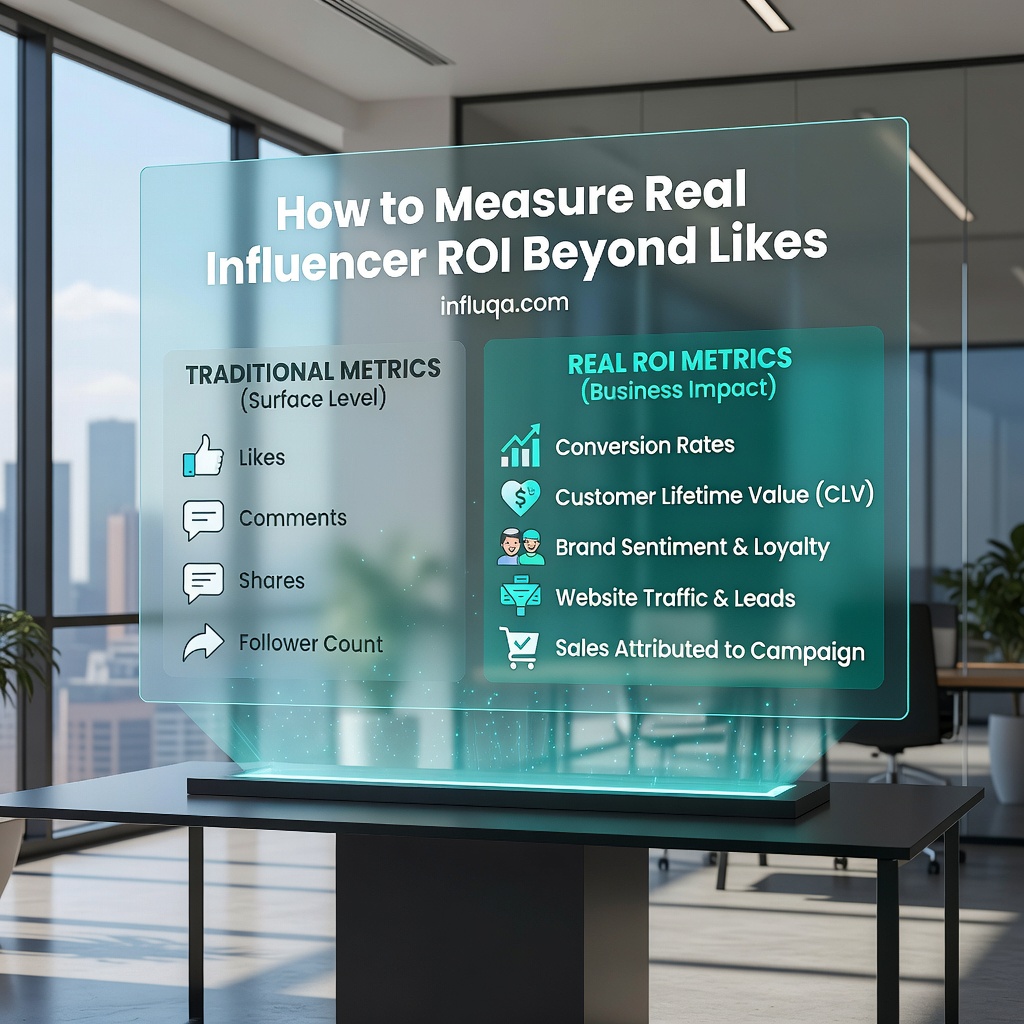
Shift your KPIs away from vanity metrics. While reach and views are important, prioritize:
Engagement Rate: Comments, saves, and shares indicate resonance. Sentiment Analysis: What is the tone of the comments? Use tools or manually review. Audience Questions: Are people asking where to buy or for more details? This indicates high purchase intent. Creator Feedback: Post-campaign, ask the creator for their honest read on how their audience reacted. They are your frontline insight.
Finding the Right Partners: Quality Over Quantity
The entire process begins with discovery. Casting a wide net with generic influencers is how you end up with forced ads. You need a targeted approach to find creators who are already a natural fit.
This is where a sophisticated platform makes all the difference. Instead of sifting through millions of profiles manually, use a platform like Influqa.com to apply precise filters. Look for creators in specific niches, from specific countries or regions, whose existing content already aligns with your brand's world. Analyze their past sponsored posts for authenticity cues. Do they have a history of seamless, well-received integrations?
For instance, if you're a sustainable fashion brand, search for creators in the "Sustainable Living" category. Browse their content. Do they genuinely talk about ethical consumption? Their audience is already primed for your message, making any collaboration feel like a logical next step in the creator's journey, not a jarring advertisement.
Remember: A creator with 50,000 highly-engaged, niche-specific followers will almost always deliver better results than a creator with 500,000 disengaged, general followers. Their influence is more concentrated and powerful.
The Long-Term Play: From Transaction to Relationship
The ultimate goal is to move beyond one-off campaigns. The most successful brand-creator partnerships are ongoing relationships. When a creator becomes a true fan and user of your product, their advocacy becomes effortless and infinitely more powerful.
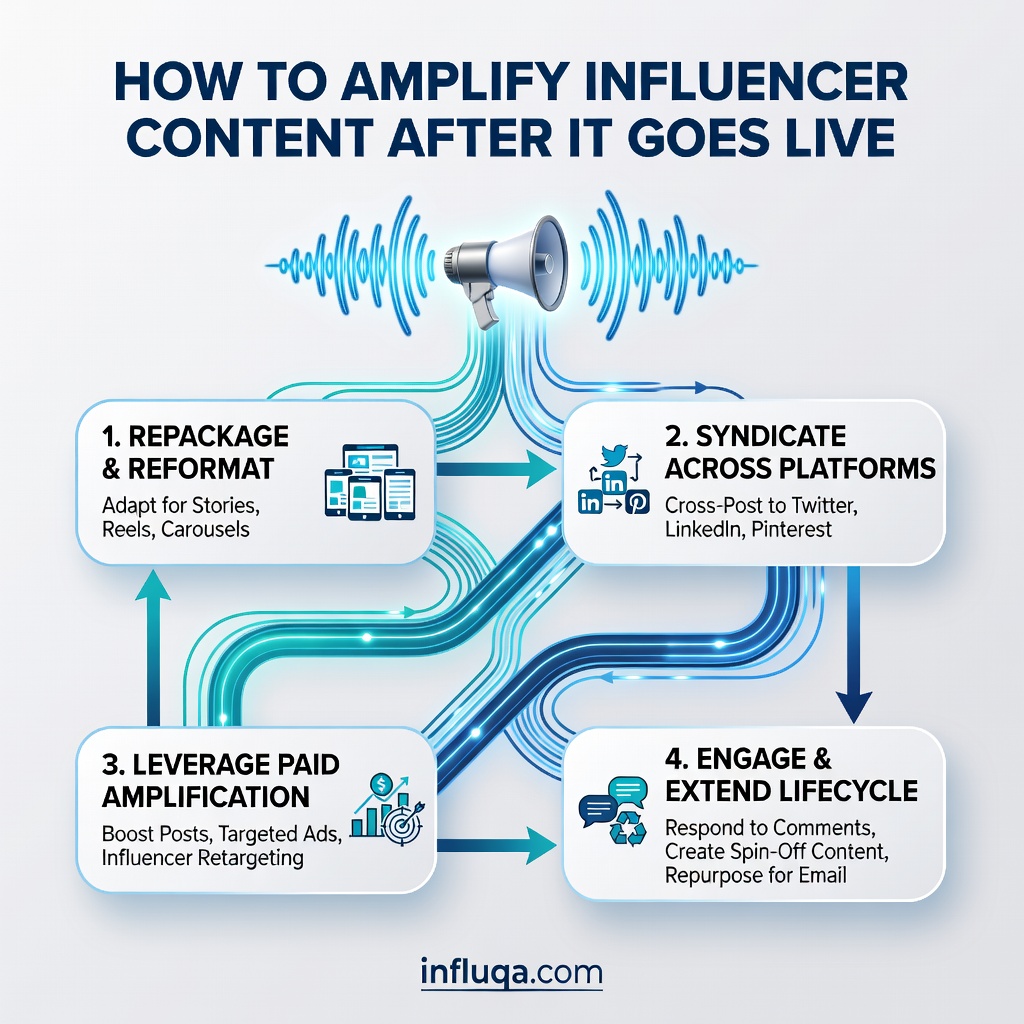
Consider moving from a single sponsored post to a quarterly content series, or an annual ambassadorship. This gives the creator time to deepen their knowledge and weave your product more naturally into their long-term narrative. It also provides you with a consistent, trusted voice in your market. Exploring long-term influencer relationships on a dedicated platform can help you identify creators who are open to these deeper, more meaningful partnerships.
In the end, defeating the "forced ad" feeling isn't about tricking the audience. It's about honoring their intelligence and the creator's voice. It's about building partnerships so genuine that the line between organic content and sponsored content gracefully blurs, because both are rooted in real value and shared belief.
Ready to build authentic collaborations that resonate? The journey starts with finding the right partner. Explore the vast network of creators on Influqa.com, where detailed profiles and performance analytics can help you move beyond guesswork and forge partnerships built on alignment, trust, and ultimately, real results.