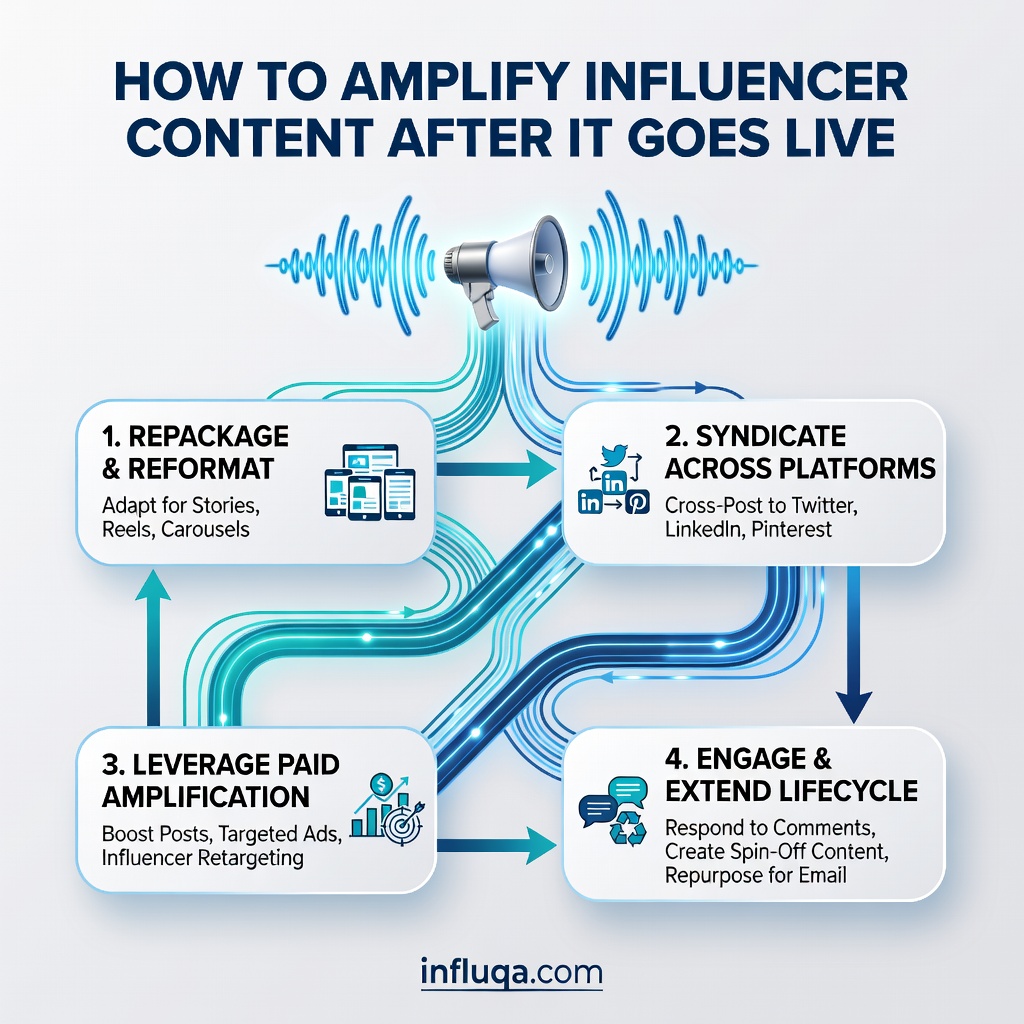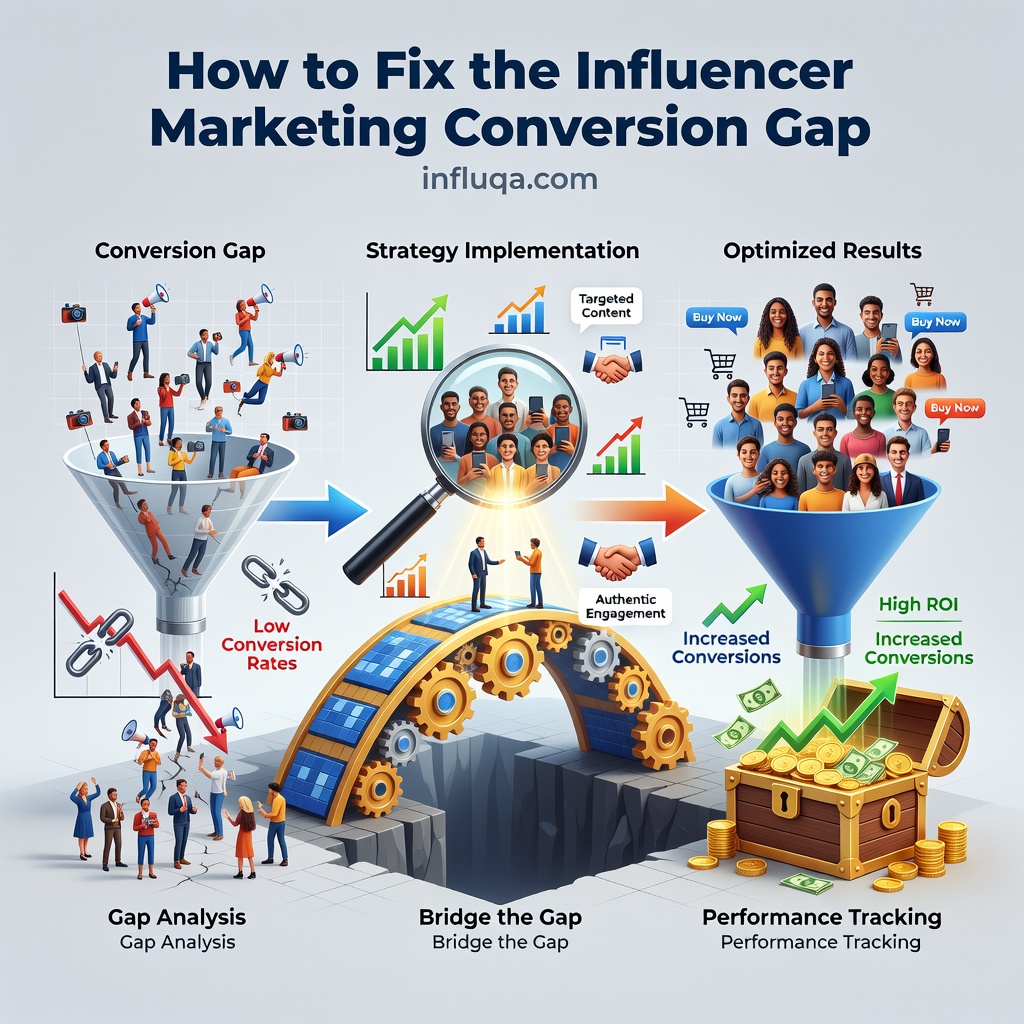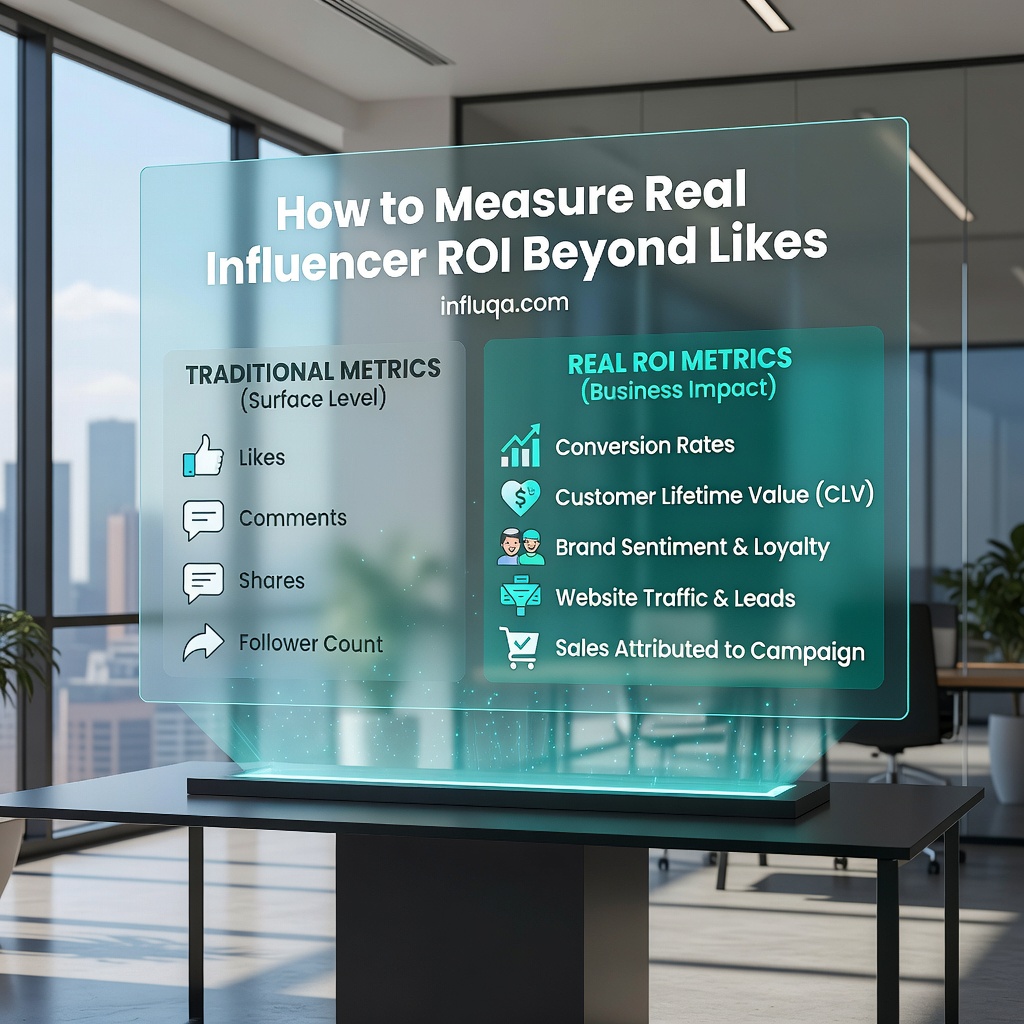
You've just wrapped up an influencer campaign. The content looked great, the creator was enthusiastic, and you're ready to report a success. But when you open your analytics dashboard, you're staring at a sea of numbers: impressions, reach, engagement rate, clicks. The question hangs in the air: What does any of this actually mean for your business?
This is the silent struggle for countless brands. In the rush to tap into creator audiences, the "why" behind the campaign gets lost in a flood of vanity metrics. You're not alone if you've ever felt that sinking feeling after a collaboration, wondering if the investment was truly worth it.
The real goal isn't just to get seen—it's to move the needle. It's about translating creator magic into tangible business outcomes. This guide cuts through the noise. We'll move beyond basic likes and shares to define, track, and analyze the metrics that prove your influencer marketing isn't just a cost, but a powerful driver of growth.
Why Vanity Metrics Are a Dangerous Distraction
Follower counts and like totals are the flashy currency of social media, but they are notoriously poor indicators of real value. An account with a million followers might have less actual influence than a niche creator with fifty thousand highly dedicated fans. Bots, inactive accounts, and purchased engagement can all inflate these numbers, creating a convincing illusion of success that crumbles under scrutiny.
Focusing on vanity metrics leads to two critical mistakes. First, you might partner with the wrong creators, drawn in by a large but disengaged audience. Second, you'll measure your campaign's success against the wrong benchmarks, celebrating a viral video that generated zero sales. The shift we need to make is from broadcast metrics to business metrics.
The Core Shift: From Top-of-Funnel to Full-Funnel Thinking
Effective measurement starts with aligning your influencer campaign with a specific stage of your marketing funnel. A brand awareness campaign with a mega-influencer on TikTok should be judged differently than a conversion-focused series with micro-influencers on Instagram.
Awareness (Top of Funnel): Metrics here answer "How many new people saw us?" Think reach, impressions, and video views. Consideration (Middle of Funnel): Metrics here answer "Did they find us interesting?" This is where engagement rate, saves, shares, and website clicks come in. Conversion (Bottom of Funnel): Metrics here answer "Did they take the desired action?" This is the realm of promo code usage, affiliate link clicks, direct sales, and lead form submissions.
Defining your funnel stage before the campaign launches is non-negotiable. It dictates which creators you search for on platforms like Influqa.com, what your collaboration brief contains, and, most importantly, what you will measure.
The Essential Metrics That Actually Matter
Let's break down the key performance indicators (KPIs) across the funnel, moving from the simple to the sophisticated.
1. Engagement Rate: The Quality Benchmark
This is the first step beyond vanity. Calculate it as (Total Engagements / Total Followers) x 100. Engagements include likes, comments, saves, and shares. A 3% rate is often considered solid, but this varies wildly by platform and niche. Always compare a creator's engagement rate to others in their specific category, which you can explore on Influqa's category pages.
Pro Tip: Look at the quality of comments, not just the quantity. Are people asking genuine questions about the product? Tagging friends? This is a powerful signal of true audience interest.
2. Earned Media Value (EMV) & Return on Ad Spend (ROAS)
This is where the financial picture comes into focus.
EMV attempts to assign a dollar value to the organic exposure you gained. It's an estimate, often calculated by multiplying engagements by a platform-specific "value per engagement." While imperfect, it helps contextualize organic reach against paid media costs. ROAS is the king of bottom-funnel metrics. It's simple: Revenue Generated from Campaign / Total Campaign Cost. If you spend $5,000 and drive $25,000 in sales, your ROAS is 5:1. This is the clearest proof of profitability.
3. Conversion-Specific Tracking
To measure ROAS, you need airtight tracking. This is non-negotiable for any performance-driven campaign.
Unique Discount Codes & Affiliate Links: Provide each creator with their own code or tracked link. This directly attributes sales. UTM Parameters: Append UTM tags to any link in a creator's bio or content. This lets you see the traffic source in Google Analytics with crystal clarity. Dedicated Landing Pages: For larger campaigns, a unique landing page URL (e.g., yourbrand.com/creatorname) makes tracking seamless.
Without these tools, you're flying blind, guessing which sales came from your influencer efforts. Platforms that facilitate connections, like Influqa.com, often emphasize the importance of clear tracking terms in collaboration offers to set expectations right from the start.
Building Your Measurement Framework: A Step-by-Step Plan
Knowing the metrics is one thing. Building a system to use them is another. Follow this actionable plan.
Step 1: Set SMART Goals Before Outreach
Before you even browse influencers in your target region, define a Specific, Measurable, Achievable, Relevant, and Time-bound goal. "Get more sales" is vague. "Generate 200 sales using influencer-specific codes within the 30-day campaign period, with a target ROAS of 4:1" is a SMART goal. This dictates everything that follows.
Step 2: Choose the Right Platform & Metric Pairing
Align your platform choice with your goal. Aiming for high engagement and community buzz? Instagram Reels or TikTok might be your playground. Driving direct website traffic or lead generation? YouTube with clear links in the description or a detailed Instagram Carousel post could be more effective.
Step 3: Centralize Your Data
Don't let data live in ten different places. Use a simple spreadsheet or dashboard to track, for each creator:
Campaign Cost (fee + product) Link Clicks (from UTMs) Engagement Rate on Key Posts Sales/Leads (from their unique code/link) Calculated ROAS
Step 4: Analyze & Iterate for the Next Campaign
After the campaign, gather your data and ask the hard questions. Which creator delivered the highest ROAS? Which content format (e.g., tutorial, haul, review) drove the most conversions? Did a particular audience demographic respond best? This analysis isn't about assigning blame—it's about discovering patterns to make your next campaign on Influqa.com even more effective and efficient.
The Human Element: Qualitative Metrics You Can't Ignore
While numbers are critical, the full story includes qualitative feedback.
Brand Sentiment: Scan the comments on influencer posts and your own social channels. Is the sentiment positive, curious, and excited? Content Quality & Authenticity: Did the creator's content feel genuine and align with your brand's voice? High-quality, authentic content has a longer shelf life and continues to drive value. Creator Relationship: Was the creator professional, easy to work with, and open to feedback? A great partnership can lead to more effective long-term ambassadorship.
Moving beyond surface-level analytics is what separates hobbyist marketing from professional growth strategy. It transforms influencer marketing from a speculative expense into a accountable, scalable channel. When you measure what matters, you can confidently invest more in what works, refine what doesn't, and build a creator program that delivers consistent, measurable returns.
The journey begins with a single, well-measured campaign. If you're ready to find creators who align with your strategic goals and are open to performance-based collaborations, start your search with intent. Explore the diverse range of influencers and transparent offers available on Influqa.com, where connecting data-driven brands with impactful creators is the core mission.