You’ve just wrapped up a campaign. The content went live, the creator was fantastic, and the engagement looked solid. But when the final report lands in your inbox, you’re staring at a spreadsheet of vanity metrics—likes, shares, and a vague “reach” number. The real question lingers, unanswered: Did this actually move the needle for my business?
This is the silent crisis in influencer marketing. In the rush to tap into creator authenticity and viral potential, many brands are flying blind, measuring everything and understanding nothing. The real power of a partnership isn’t in a fleeting spike of attention; it’s in the lasting impact on your brand’s health and revenue. It’s about moving beyond surface-level analytics to uncover the true return on influence.
Platforms like Instagram and TikTok provide a flood of data, but they rarely connect the dots to your core business objectives. This gap leaves marketing teams struggling to justify budgets, optimize future collaborations, and prove their strategic value. It’s time to shift the paradigm from counting engagements to calculating influence.
Why Vanity Metrics Are a Dangerous Illusion
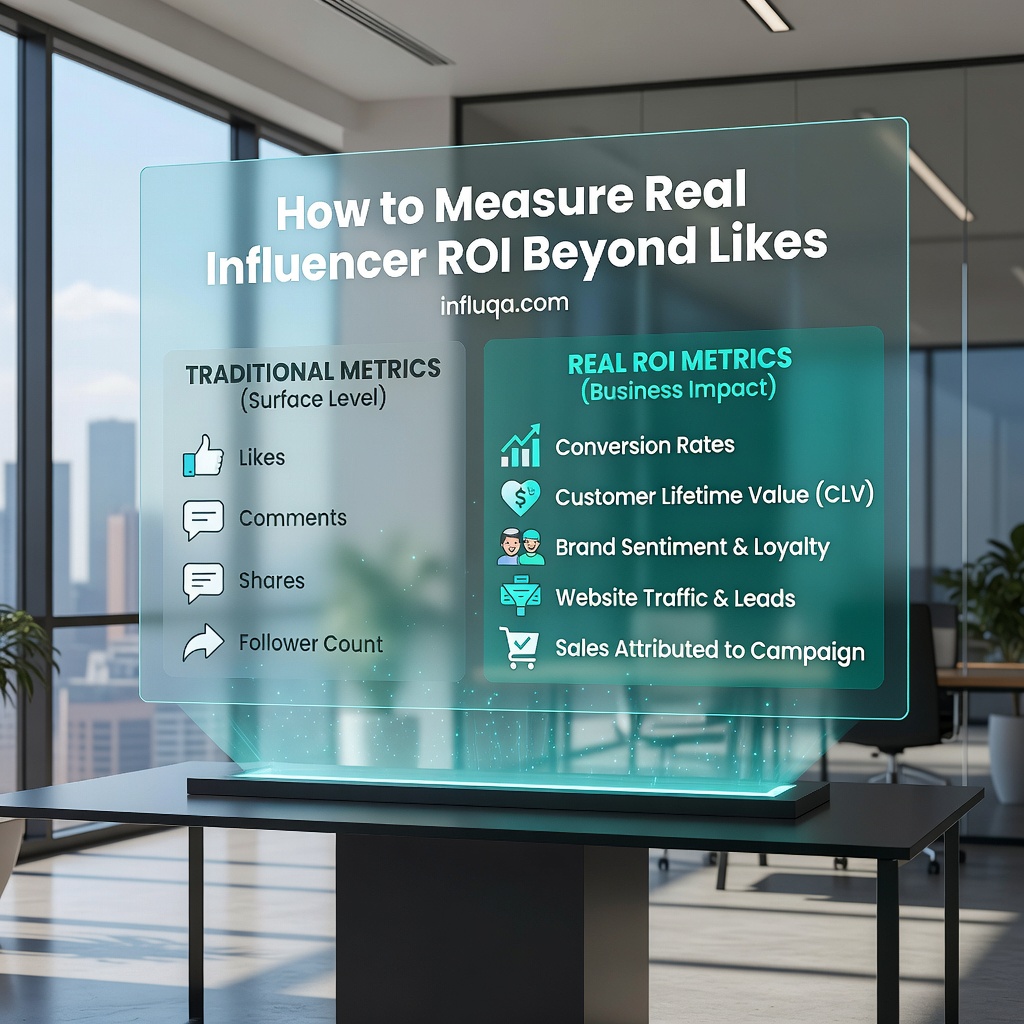
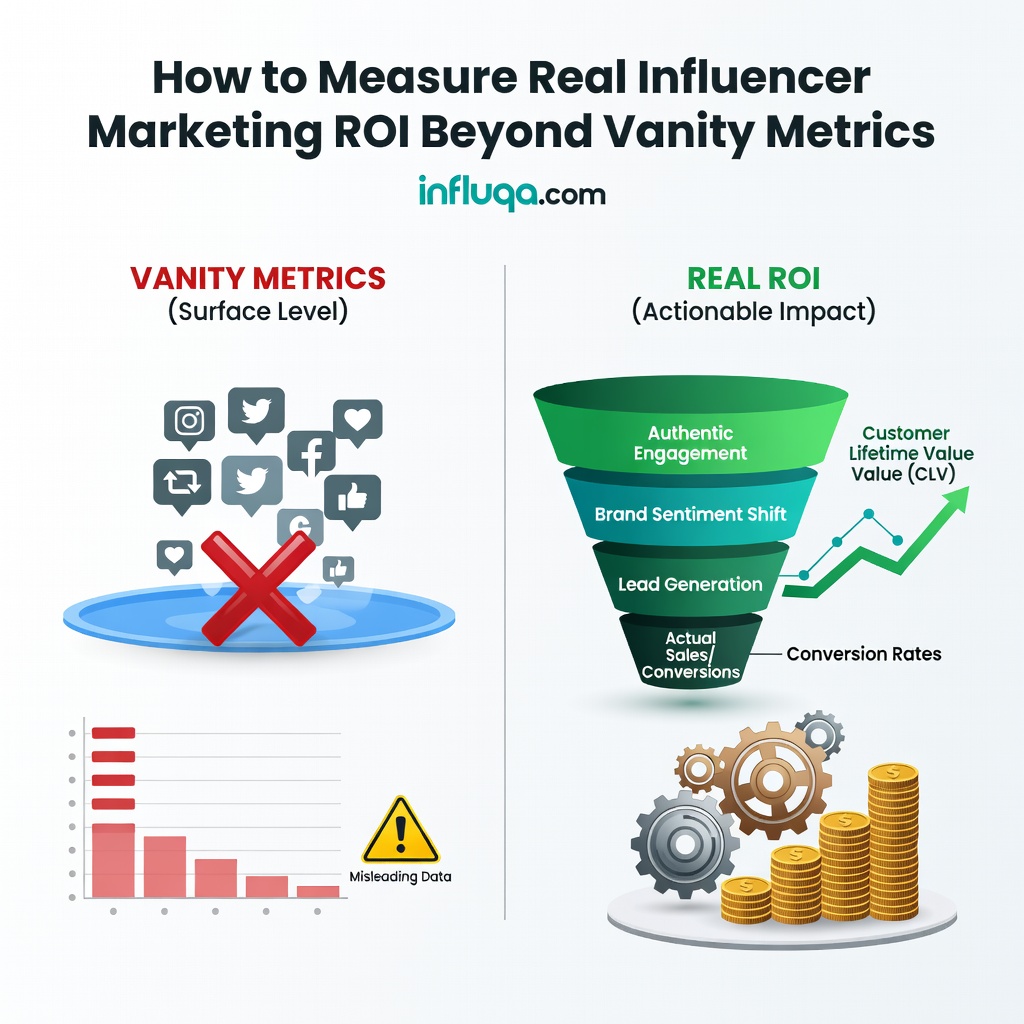
Likes, follower counts, and even comment volume are what we call vanity metrics. They look impressive in a deck, but they are notoriously poor indicators of real business outcomes. A post can garner thousands of likes from an audience that has zero interest in purchasing your product. Conversely, a highly targeted, smaller-scale collaboration can drive a significant portion of your quarterly sales.
The fixation on these easy-to-track numbers stems from a deeper problem: a lack of clear, upfront goal-setting. Before you even begin searching for creators on a platform like Influqa, you must define what success looks like. Is it brand awareness for a new product line? Driving qualified traffic to a specific landing page? Or is it direct sales and conversions?
Each of these goals requires a completely different measurement framework. When you confuse them, your analytics become meaningless. This misalignment is one of the top reasons campaigns fail to deliver a measurable influencer marketing ROI.
The Framework for Measuring Real Impact
To escape the vanity metric trap, you need to build a measurement model tied directly to your customer journey. This involves selecting key performance indicators (KPIs) that correspond to different stages of influence.
Stage 1: Awareness & Consideration
For top-of-funnel goals, look beyond reach. Track metrics that indicate genuine attention and interest.
Engagement Rate (Relative to Reach): Not just total likes, but the percentage of people who saw the content and interacted. This measures stopping power. Video Completion Rates: For video content, what percentage watched to the end? This signals content resonance. Branded Search Lift: Use tools to monitor increases in searches for your brand name or product following the campaign. Audience Sentiment Analysis: Are the comments positive, curious, and brand-relevant, or generic and spammy?
Stage 2: Conversion & Action
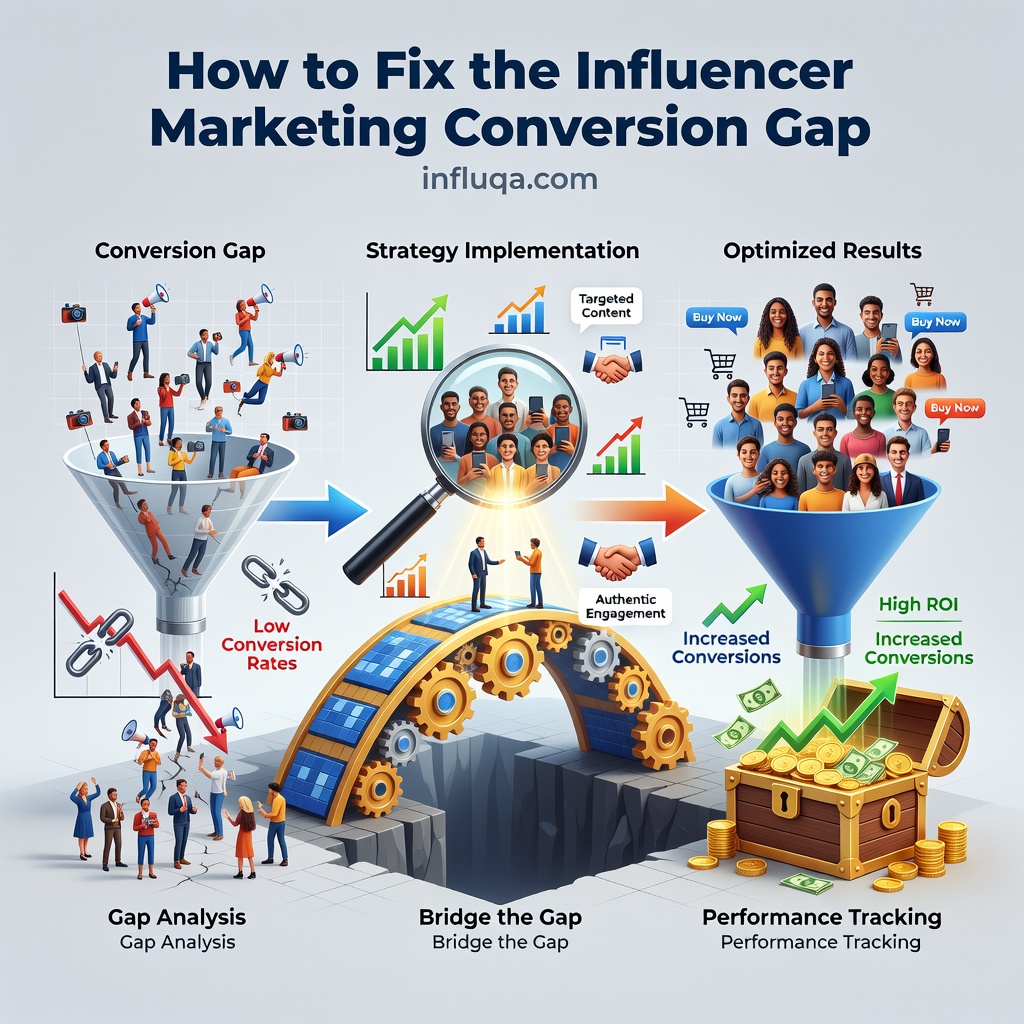
This is where you connect influence to action. It requires technical setup but delivers undeniable proof of value.
Trackable Links & UTM Parameters: Every influencer gets a unique link. This is non-negotiable for tracking website traffic. Creator-Specific Discount Codes: A classic for a reason. It directly attributes sales and allows you to calculate average order value from each creator. Landing Page Conversions: Did traffic from the influencer convert on your sign-up, download, or lead capture page? Affiliate Marketing Integration: For a pure performance-based model, affiliate links track sales with precision.
The most sophisticated brands don't just track sales from a code; they track the full customer lifecycle from that first influencer touchpoint, understanding long-term value.
Setting up this tracking might seem technical, but resources like our Influqa documentation can guide you. The payoff is moving from guesswork to granular insight.
Calculating Your True Return on Influence
Once you have reliable conversion data, you can calculate a meaningful ROI. The basic formula is:
ROI = ((Revenue Attributable to Campaign - Campaign Cost) / Campaign Cost) x 100
But the "revenue attributable" part is the key. This includes:
Direct Sales: From codes and affiliate links. Attributed Sales: Using multi-touch attribution models that give partial credit to the influencer touchpoint. Customer Lifetime Value (LTV): If you can track that customers acquired via influencers have a higher LTV, that’s a massive win.
Also, factor in earned media value—the equivalent ad spend to achieve the same reach and engagement through paid ads. While not pure revenue, it contextualizes the campaign's efficiency.
Remember to include all costs: creator fees, product gifting, agency fees, and internal labor. Only with full-funnel tracking and honest costing can you see if your strategy, and your choice of creators from a network like Influqa's categorized listings, is truly profitable.
Turning Data into Strategy: The Continuous Improvement Loop
Measurement isn’t a post-mortem activity. The real magic happens when you use these insights to refine your ongoing strategy in real-time.
1. Creator Performance Benchmarking
Not all creators deliver the same value. By tracking the performance of each collaboration, you can identify your top-performing partners. Look at metrics like cost per conversion, engagement quality, and audience fit. This data allows you to build a trusted roster of creators who consistently deliver, making future campaign planning on Influqa's offer board more efficient and effective.
2. Content & Messaging Insights
Which type of content drove the most conversions? Was it an authentic day-in-the-life vlog, a polished tutorial, or a quick TikTok trend? Your performance data holds the answer. Use A/B testing with different creators to see what resonates with your target demographic.
3. Audience Refinement
The audience that engages is your true target market. Analyze their profile. Did a creator in a specific country or region outperform others? This can uncover new geographic or demographic opportunities you hadn't previously considered.
Pro Tip: Build a simple dashboard that updates with your key campaign KPIs. Share it with stakeholders. This transparency turns influencer marketing from a "marketing cost" into a visible "growth driver."
The Path Forward: Influence with Insight
The era of influencer marketing as an experimental line item is over. To secure budget and drive real growth, you must speak the language of business impact. This means abandoning vanity metrics and embracing a disciplined, data-driven approach that connects creator partnerships to concrete outcomes.
It starts with defining clear goals, implementing robust tracking, and having the patience to analyze the results. The tools and creators are out there. Platforms like Influqa.com exist to streamline the discovery and connection process, allowing you to focus on strategy and measurement.
Ready to move beyond the surface? Your next campaign shouldn’t just create buzz—it should generate a clear, undeniable return. Start by exploring authentic collaboration opportunities with creators who align with your brand, and build your measurement framework from day one. The path to measurable influencer marketing success is built one data point at a time.
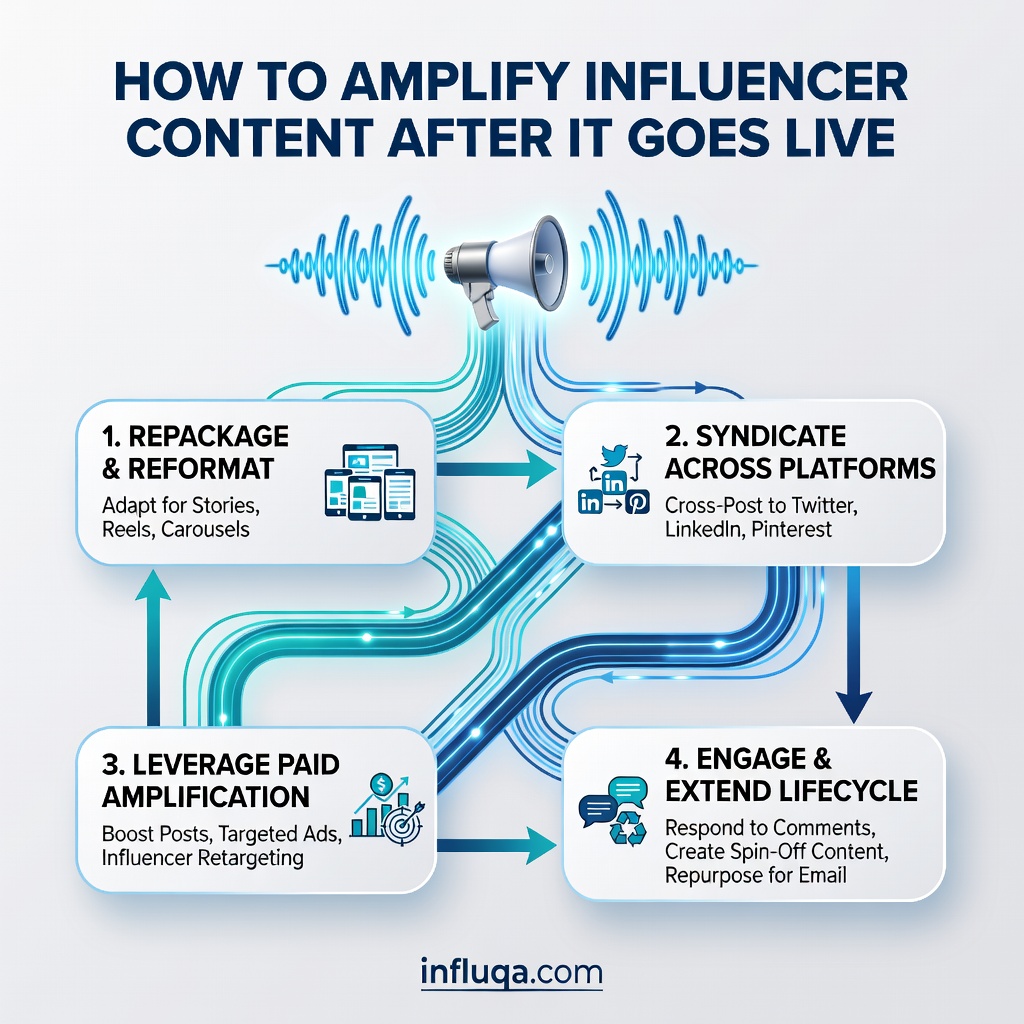
For more insights on building effective strategies, visit our blog, or if you're ready to start a data-smart campaign, explore what Influqa can do for your brand.