You've just scrolled through your analytics dashboard. The numbers are up—likes, shares, maybe even a slight follower bump. But a cold, nagging question remains: Is any of this actually leading to sales? For creators and brands alike, this is the modern dilemma. We're drowning in vanity metrics while the real prize—measurable revenue and growth—feels just out of reach.
This disconnect isn't just frustrating; it's the central problem holding back the creator economy. A post can go viral, a campaign can generate buzz, but if you can't draw a straight line from that activity to a deposit in the bank, you're essentially flying blind. The good news? A new wave of tools and a shift in mindset are making creator revenue attribution not just possible, but powerfully simple.
Moving Beyond Likes: The Attribution Imperative
For years, the influencer marketing playbook was straightforward. Brands paid for reach and sentiment. A high number of impressions and positive comments were enough to justify a campaign. But as the industry matures, so do expectations. CEOs and marketing directors are now asking for concrete return on investment data. They want to know which creator drove the most sign-ups, which YouTube tutorial led to direct product purchases, and which TikTok sound became synonymous with their brand's checkout page.
This is where attribution comes in. In simple terms, attribution is the process of identifying which user actions—a click, a view, a promo code use—led to a desired outcome, like a sale. For creators, mastering this is the key to unlocking higher-value, long-term partnerships. It transforms you from a "content provider" to a proven growth channel.
Why Vanity Metrics Are a Dangerous Illusion
Follower counts and like ratios are easy to manipulate and often tell a superficial story. An account with a million followers might have terrible engagement, while a niche creator with 50,000 dedicated fans can drive staggering sales. Relying on vanity metrics is like judging a book by its cover—you miss the entire plot. Brands burned by inflated numbers are now digging deeper. They're using platforms like Influqa to discover creators not just by category, but by proven performance data and authentic audience connection.
Pro Tip: Start framing your pitch around your audience's behavior, not just its size. Mention your average click-through rate on swipe-ups, your typical promo code redemption rate, or a case study of a past successful collab. This data is gold on platforms like Influqa's influencer directory.
The Toolkit for Transparent Tracking
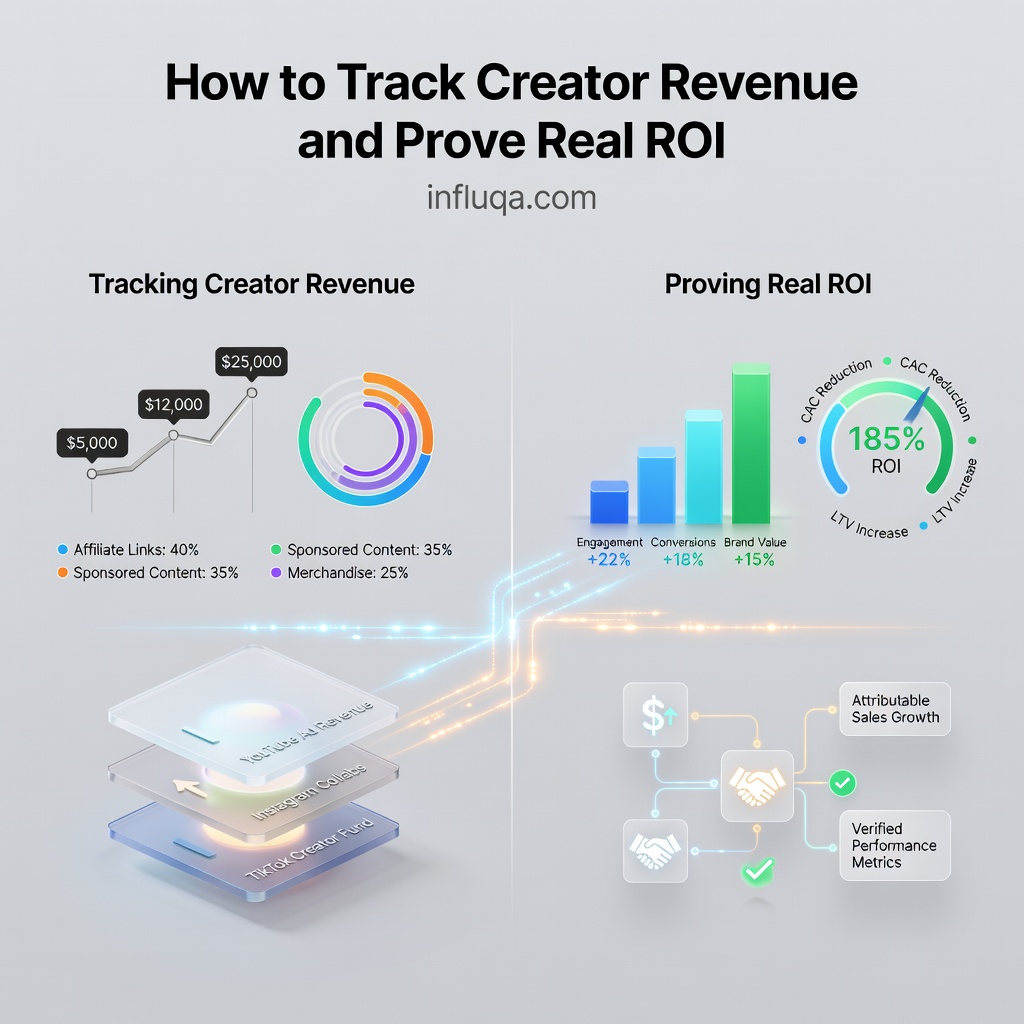
So, how do you actually track this? The technology has evolved from clunky, last-click models to sophisticated multi-touch attribution. Here are the most effective methods creators and brands are using right now.
1. Unique Tracking Links & Promo Codes
The classic, but still powerful. A unique URL or a code like "INFLUQA20" assigned to each creator makes tracking direct sales simple. Tools like Bitly or platform-specific features (like Instagram's branded content tools) can generate these. The limitation? They often only capture the last touchpoint before a sale, missing the broader journey.
2. Affiliate Marketing Platforms
Platforms like ShareASale, Impact, or even Amazon Associates build attribution directly into their infrastructure. They provide unique links and handle the commission payout automatically, offering clear, indisputable data on who drove what sale. This is a fantastic way for creators to build passive income streams. You can explore collaboration offers that include affiliate structures directly on Influqa's offers page.
3. UTM Parameters & Analytics Dashboards
This is where you get serious. UTM parameters are tags you add to a URL to track the source, medium, and campaign in Google Analytics. By teaching your brand partners to set these up for your links, you can both see exactly how much traffic you're sending and what that traffic does on their site. It provides a holistic view of your impact.
4. Dedicated Landing Pages
For larger campaigns, a brand might create a landing page unique to you (e.g., brand.com/influqa). All traffic from your channels goes there, and its performance is your performance. This is a high-trust, high-reward model that clearly demonstrates your value.
Building Your Attribution-Ready Creator Profile
To attract brands that value data, you need to present yourself as a data-savvy partner. This goes beyond your media kit.
Document Your Successes: Even without fancy tools, you can track. Screenshot confirmation emails for products you've sold, save testimonials from brands, and note down any metrics a brand shared with you post-campaign. Understand Your Audience Funnel: Use your platform's native insights (like Instagram Professional Dashboard or YouTube Analytics) to identify not just who watches, but who clicks. Where is your traffic going? What's your conversion zone? Be Proactive in Reporting: After a campaign, don't just wait for the brand's report. Send your own summary. Include reach, engagement, any direct sales figures you have access to, and, crucially, qualitative feedback you received from your audience.
Brands using Influqa's category search are actively looking for creators who bring this level of professionalism to the table.
The Future is Frictionless Attribution
The industry is moving towards integrated solutions that remove the guesswork. Imagine a platform where a brand posts a campaign, creators apply, and every piece of content automatically gets a trackable link or code, with a shared, real-time dashboard showing performance. This isn't a fantasy—it's the direction the market is headed, streamlining connections on platforms designed for meaningful collaboration.
This shift benefits everyone. Brands get clear ROI. Creators get fair compensation and repeat business based on merit. The entire ecosystem becomes more trustworthy and scalable. It moves influencer marketing from the experimental budget line to a core, accountable channel.
Ultimately, cracking the code on revenue attribution is about building a sustainable career as a creator or a scalable strategy as a brand. It replaces anxiety with confidence and guesswork with strategy. It starts with a commitment to measure what matters and a willingness to use the tools available to tell the true story of your impact.
If you're ready to move beyond vanity metrics and connect with partners who value real results, the journey begins with understanding your own data and seeking out the right collaborations. Platforms built for discovery, like Influqa.com, are invaluable for this, offering a space where data-driven creators and brands can find each other. Consider this your first step toward turning engagement into undeniable growth.
For more insights on growing your creator business, explore our other in-depth guides on the Influqa blog.