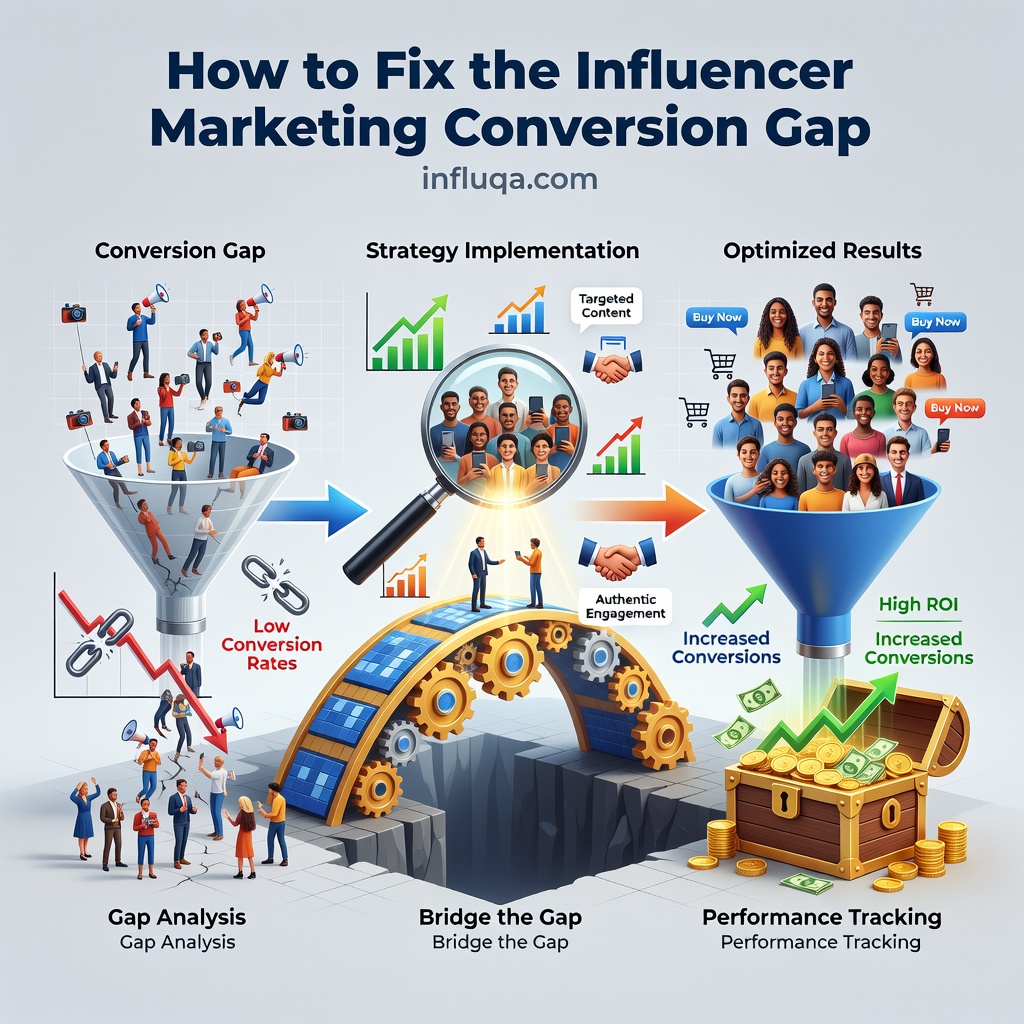
You’ve found the perfect creator. The content they produce is stunning, their audience is your target demographic, and their engagement rates are through the roof. You sign the contract, launch the campaign, and wait for the flood of new customers and brand love. But when the campaign ends, the report lands in your inbox, and the only metric that moved was your spend. The silence is deafening. What went wrong?
This scenario is the silent killer of influencer marketing budgets. It’s not a failure of selection or creative brief; it’s a failure of influencer analytics. You measured the vanity metrics but missed the vital signs that actually predict business impact. In a landscape where top searches in markets like the UK are dominated by questions about creator performance and ROI, understanding the right data is no longer optional—it’s the core of profitable collaboration.
Beyond Likes and Followers: The Five Real Problems with Creator Analytics
Most brands and agencies start their analytics journey with the best intentions. They track what the platforms make easy to track. This leads to a fundamental misalignment between the data you see and the results you need. Here are the five urgent problems plaguing influencer marketing measurement today.
1. The Vanity Metric Vortex
Likes, follower counts, and even comments are surface-level indicators. They measure popularity, not persuasion. A creator with a million followers but low trust cannot drive the same action as a micro-influencer with a fiercely loyal community. Relying on these alone is like judging a book by its cover—you miss the entire story.
2. The Attribution Black Hole
How do you know if a sale came from the Instagram Story link, a mention in a YouTube video, or just brand recall from seeing the creator’s post? Without clear attribution modeling for influencer campaigns, credit is lost in the dark. This makes it impossible to calculate true ROI and optimize your spend across different creators and platforms.
3. Inconsistent Data Across Platforms
Instagram provides one set of insights. TikTok offers another. YouTube’s dashboard is entirely different. This lack of standardization forces you to become a data janitor, manually compiling spreadsheets instead of analyzing trends. It’s inefficient and prone to error.
4. Fraud and Inauthentic Engagement
Follower bots, comment pods, and bought engagement artificially inflate a creator’s metrics. If you’re not analyzing the quality of an audience—looking at growth patterns, comment sentiment, and follower authenticity—you risk partnering with a facade. Platforms like Influqa help mitigate this by vetting creator profiles and offering transparent performance histories.
5. No Link to Business KPIs
The ultimate disconnect. Your marketing goal is likely sales, lead generation, or brand lift. Yet, most influencer reports stop at engagement rate and impressions. Without connecting creator content to your core business key performance indicators, you’ll never prove—or improve—the channel’s value.
The Goal: Intelligent, Actionable Creator Analytics
Solving these problems isn’t about getting more data; it’s about getting the right data and knowing what to do with it. The goal is to build an analytics framework that is predictive, not just retrospective. It should tell you not only what happened but also what will happen next and how to influence it.
This means shifting from reporting to intelligence. Your analytics should help you answer strategic questions: Which creator’s audience has the highest lifetime value potential? What type of content drives the most conversions, not just clicks? How does influencer-driven sentiment correlate with website traffic spikes?
Good analytics tell you the score. Great analytics tell you how to win the game.
To start this shift, you need to embrace a multi-layered approach. The first layer is campaign performance. The second is audience quality. The third is business impact. We’ll focus on the foundational first layer: measuring the true performance of a collaboration.
The Essential Metrics That Actually Matter
Forget the vanity metrics. Here is your new core checklist for evaluating any influencer collaboration, whether you’re exploring offers on Instagram or TikTok.
Engagement Rate (The Right Way): Calculate this as (Total Engagements / Total Followers) * 100. But go deeper. Break it down by type of engagement. Saves and shares on Instagram are more valuable than likes. Video completions are more telling than views. Reach vs. Impressions: Reach is the unique number of users who saw the content. Impressions count every time it was displayed. A high impression-to-reach ratio can indicate content that users re-watched or scrolled back to—a powerful sign of resonance. Audience Sentiment & Quality: Read the comments. Are they generic (“Nice!”) or substantive (“Where did you get that?” “This solved my problem!”)? Use tools or manual analysis to gauge positivity and intent. Also, analyze the creator’s follower growth graph on platforms like Influqa; steady, organic growth is a green flag. Click-Through Rate (CTR) & Conversion Rate: This is non-negotiable for performance campaigns. Use trackable links, UTM parameters, and promo codes. The CTR tells you the content’s power to drive action. The conversion rate tells you the audience’s intent and quality. Cost Per Action (CPA): This is your ultimate efficiency metric. Whether the action is a click, lead, or sale, divide your total campaign cost by the number of actions. This allows you to compare the value of a nano-influencer against a macro-influencer on equal footing.
Building a Unified Dashboard
Manually tracking this for multiple creators is a full-time job. The solution is to use a platform that aggregates this data for you. Look for solutions that pull in data from the social platforms directly via API, ensuring accuracy. This gives you a single source of truth for all your collaborations, from the initial discovery phase on Influqa’s category pages to the final performance report.
Turning Data into Strategy: The Continuous Improvement Loop
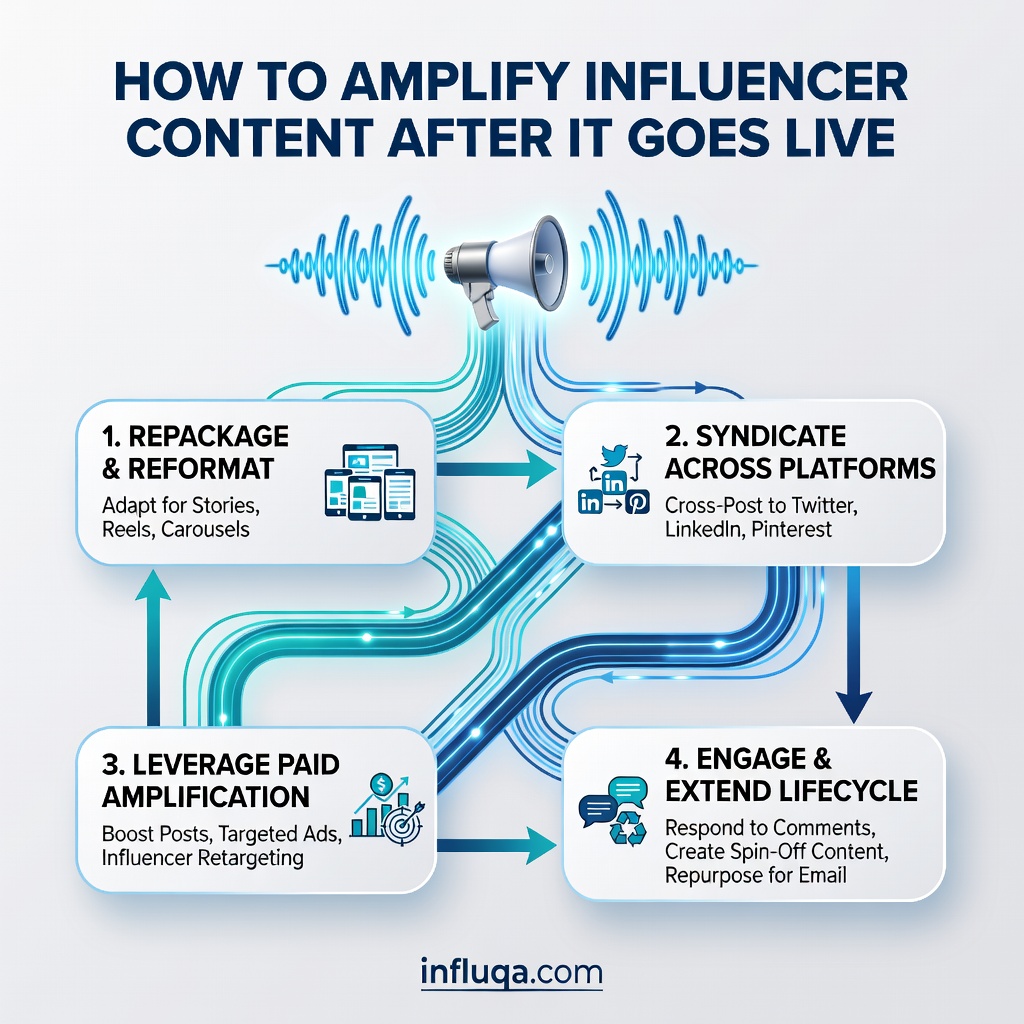
Data is useless without action. Your analytics should fuel a continuous loop of planning, execution, measurement, and optimization.
Pre-Campaign: Use historical data to set realistic benchmarks. If similar creators in your niche achieve a 3% average engagement rate and a 2% CTR, use those as your baseline goals. During Campaign: Monitor early indicators. Is the content being shared? Are the comments positive and asking questions? Use mid-campaign insights to give real-time feedback to the creator. A slight tweak can dramatically improve performance. Post-Campaign: Conduct a deep-dive analysis. Go beyond the numbers. Why did that one video outperform the others? What was the audience saying? Compile these qualitative and quantitative insights into a “Creator Playbook” for future campaigns. Long-Term: Analyze cohort performance. Which creators from specific regions or content styles consistently deliver the best CPA? Double down on those relationships for long-term ambassador programs.
This strategic approach transforms your influencer marketing from a speculative cost center into a scalable, predictable revenue channel.
Mastering influencer analytics is the single greatest leverage point for growth in the creator economy. It replaces guesswork with confidence and spending with investment. It starts with choosing the right partners and measuring the right things.
If you’re ready to move beyond vanity metrics and build influencer campaigns driven by real intelligence, the journey begins with discovery. Explore authentic, vetted creators and analyze tangible performance data on Influqa.com. From our comprehensive blog resources to our direct search tools, we provide the platform to make data-driven collaborations your greatest marketing advantage. Check out the latest collaboration offers and see the difference for yourself.