Why Your Influencer Campaigns Are Failing at the Finish Line
You've seen the headlines. A creator's video goes viral, a brand collaboration breaks the internet, and the campaign metrics look like a dream. But when you look at your own results, something's off. The engagement is there, the comments are positive, but the actual impact—the sales, the sign-ups, the real business growth—feels muted. It's like running a marathon and stumbling in the last hundred meters.
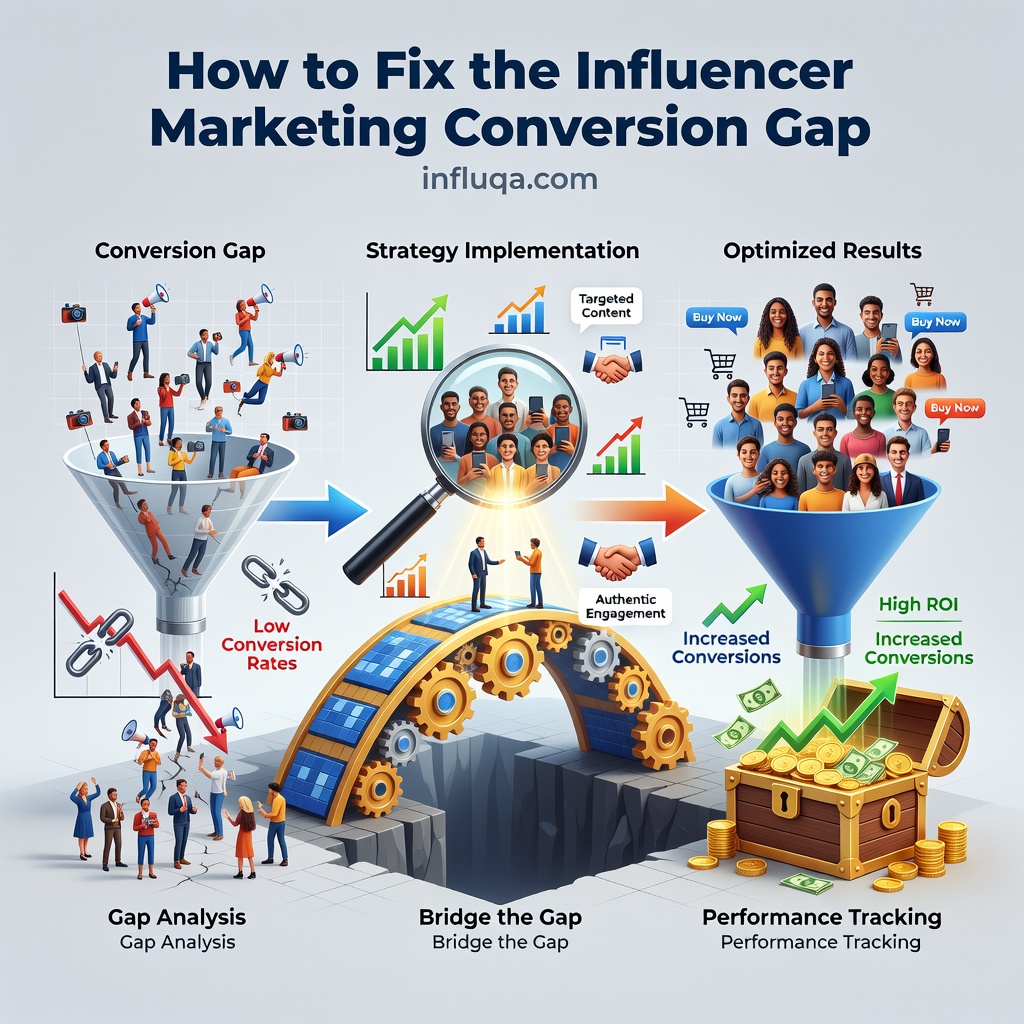
This disconnect is one of the most urgent problems in influencer marketing today. Brands invest significant budgets into finding the right creators, often using platforms like Influqa.com to discover talent, only to see the campaign's final ROI fall short of projections. The creative is good, the audience is reached, but the conversion pathway is broken.
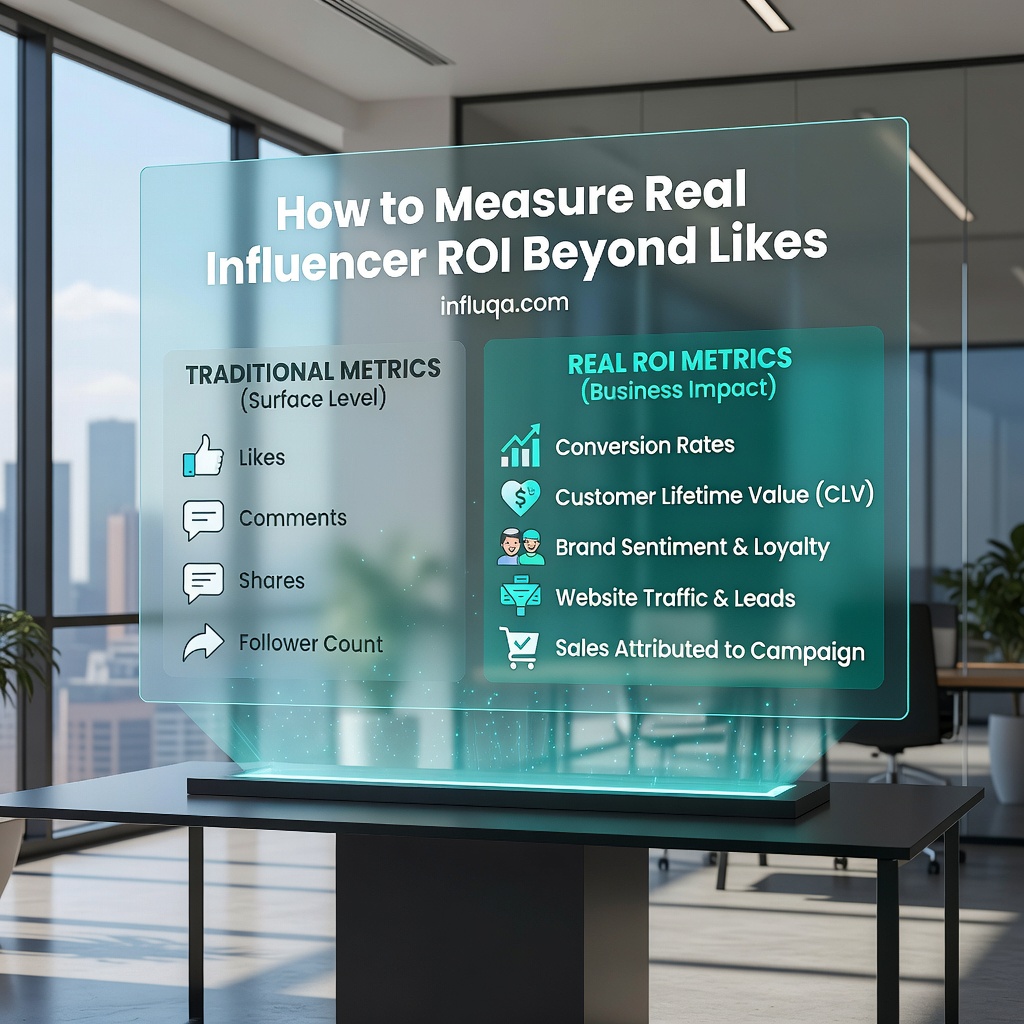
Understanding this gap requires moving beyond surface-level vanity metrics. It demands a forensic look at the analytics that matter after the content goes live. Today's trending searches often highlight viral creators or specific campaign wins, but they rarely show the detailed analytics and strategic adjustments that made that win possible behind the scenes.
The Vanity Metric Trap
It's easy to get dazzled. A post with 100,000 likes feels like a success. A video with a million views must be driving value. But these are top-of-the-funnel metrics. They measure awareness, not action. The real story is told in the click-through rates, the conversion rates per influencer, the cost per acquisition (CPA), and the quality of the traffic driven to your site.
Many brands make the mistake of judging a campaign's success while it's still running, based on these early indicators. They don't wait for or properly track the downstream analytics. Did the viewers who loved the makeup tutorial actually click the link in the bio? Of those who clicked, how many added the product to cart? And of those, how many completed the purchase? Each step in this funnel has a drop-off rate, and identifying where your audience is falling out is critical.
Pro Tip: Always use trackable links for every influencer. Platforms like Influqa facilitate these connections, but the tracking setup is your responsibility. Use UTM parameters and dedicated landing pages or promo codes for each creator to isolate their performance data.
Building a Conversion-Focused Analytics Framework
To fix a leaky funnel, you need to instrument it properly. This means setting up a measurement framework before the campaign launches, not as an afterthought.
1. Define Your "North Star" Metric
What is the single most important business outcome for this campaign? Is it product sales, app downloads, email sign-ups, or brand sentiment shift? Every piece of content, every call-to-action, and every collaboration offer you explore on Influqa's offer board should be evaluated against this north star. If a creator has amazing engagement but their audience never converts on your goal, they might not be the right fit, no matter how viral they are.
2. Track the Full Journey, Not Just the Click
Modern analytics tools allow you to create user journeys. You can see if someone who came from an Instagram Reel later returned via a Google search to make a purchase. This multi-touch attribution is vital for influencer marketing, which often plays a role in upper-funnel awareness. Without it, you're undervaluing your creators' true impact.
For instance, a viewer might see a TikTok from a creator found on Influqa's TikTok offers page, not click immediately, but later search for "best [your product type]" and buy. If you only track last-click, you miss the influencer's essential role in seeding that demand.
3. Analyze Audience Quality, Not Just Size
An influencer's analytics can tell you a lot about their audience's propensity to convert. Look beyond follower count. Dive into their audience demographics, interests, and, crucially, their engagement patterns. Are comments mostly superficial emojis, or are they asking detailed questions about products? Does the creator have a history of driving successful collaborations for similar brands? This due diligence is why a platform like Influqa.com is so valuable—it helps you move past the numbers and understand creator fit.
The Creator's Role in Your Conversion Funnel
This isn't just a brand-side problem. Savvy creators understand that their value is increasingly tied to their ability to drive tangible outcomes. They're moving from being just content publishers to being true marketing partners.
The most successful creators we see on Influqa's category pages often do these things instinctively:
They understand the product deeply. Their endorsement sounds authentic because it is. They've used it, found its real value, and can articulate that to their audience in a relatable way. They craft CTAs that feel native. Instead of a jarring "link in bio!", they weave the call-to-action naturally into their story. "I literally keep this in my gym bag, and if you want to try it, I worked with them to get you 20% off with my code." They provide social proof. They show the product in use, share results, and often tag the brand in organic, follow-up content, extending the campaign's life and credibility.
When looking for creators, prioritize those who demonstrate this strategic understanding. Browse profiles on Influqa.com by country to find local creators whose audience trust and buying habits you can better analyze.
Optimizing the Handoff Point
The most common failure point is the "handoff"—the moment a viewer leaves the social platform and clicks to your website. If your landing page is slow, confusing, or doesn't match the vibe of the influencer's content, you lose them.
The influencer's job is to make the audience want it. Your job is to make buying it effortless. Any friction in that transition wastes the entire collaboration.
Create dedicated, mobile-optimized landing pages that reflect the creator's style. Use the same visuals, language, and offer. This continuity is key to maintaining trust and momentum.
Turning Data into Evergreen Strategy
The beauty of solving this analytics gap is that it creates a flywheel for future success. Each campaign provides data that makes the next one more effective.
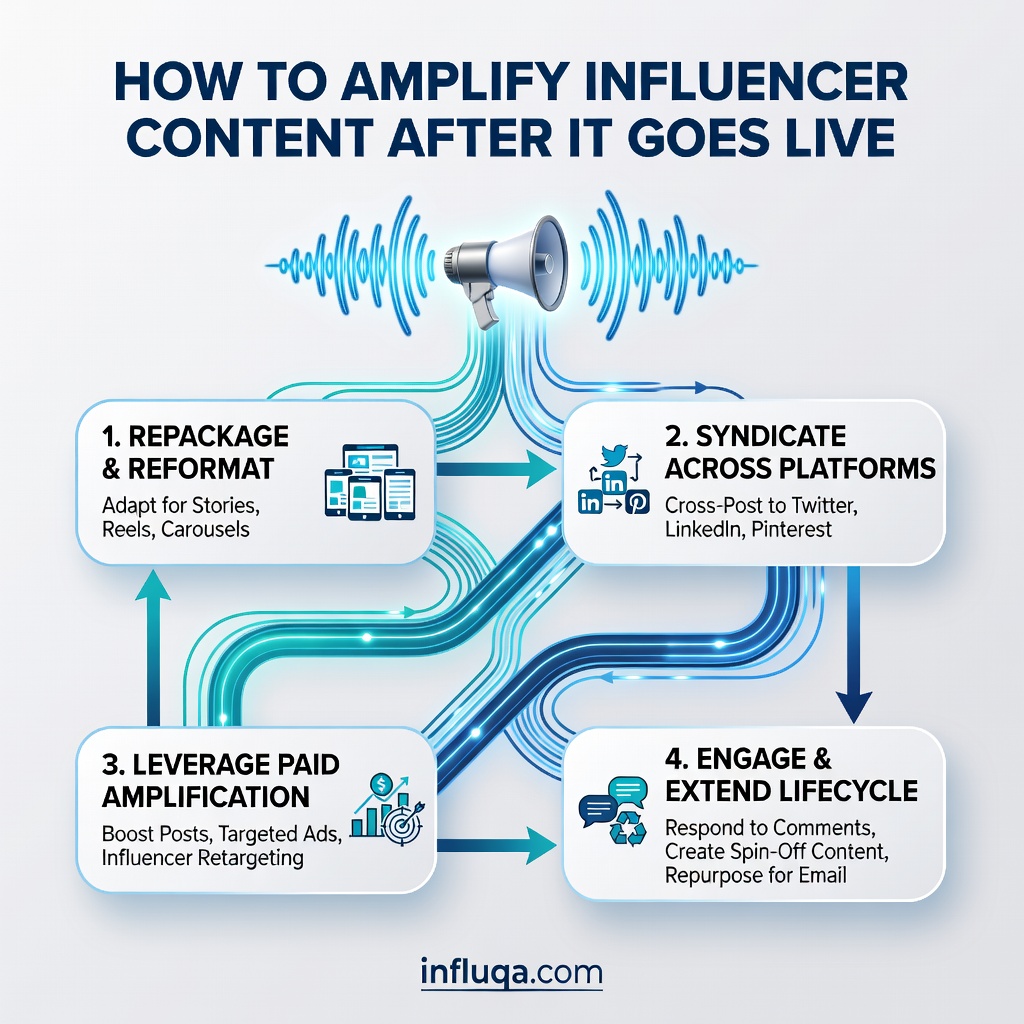
Identify Your Champion Creators: Through rigorous tracking, you'll discover which creators consistently drive high-quality traffic and conversions. These are your champions. Nurture long-term partnerships with them. Their value goes beyond a single campaign. Refine Your Audience Targeting: The analytics from your influencer campaigns can inform your paid social targeting, your content strategy, and even your product development. You're getting real-world data on who loves your brand and why. Calculate True ROI, Not Just Reach: With full-funnel data, you can finally calculate a true return on investment. You can compare the CPA from influencer marketing against your other channels. This is the data you need to secure bigger budgets and scale what works.
This approach transforms influencer marketing from a speculative "spray and pray" tactic into a reliable, scalable growth channel. It aligns perfectly with the goals of modern brands and the evolving role of professional creators.
Start Your Next Campaign with the End in Mind
The difference between a trending hashtag and a profitable campaign often comes down to preparation and measurement. By focusing on conversion-centric analytics from the start, you ensure that your investment in creators drives real business value.
If you're ready to move beyond likes and build campaigns that deliver at the finish line, start by connecting with creators who understand this partnership. Explore authentic collaboration opportunities and discover vetted talent on Influqa.com. It's a platform built for the next era of influencer marketing—where great content and great results go hand in hand.
Your next viral moment shouldn't just be a flash in the pan. With the right analytics framework, it can be the foundation of sustained growth.