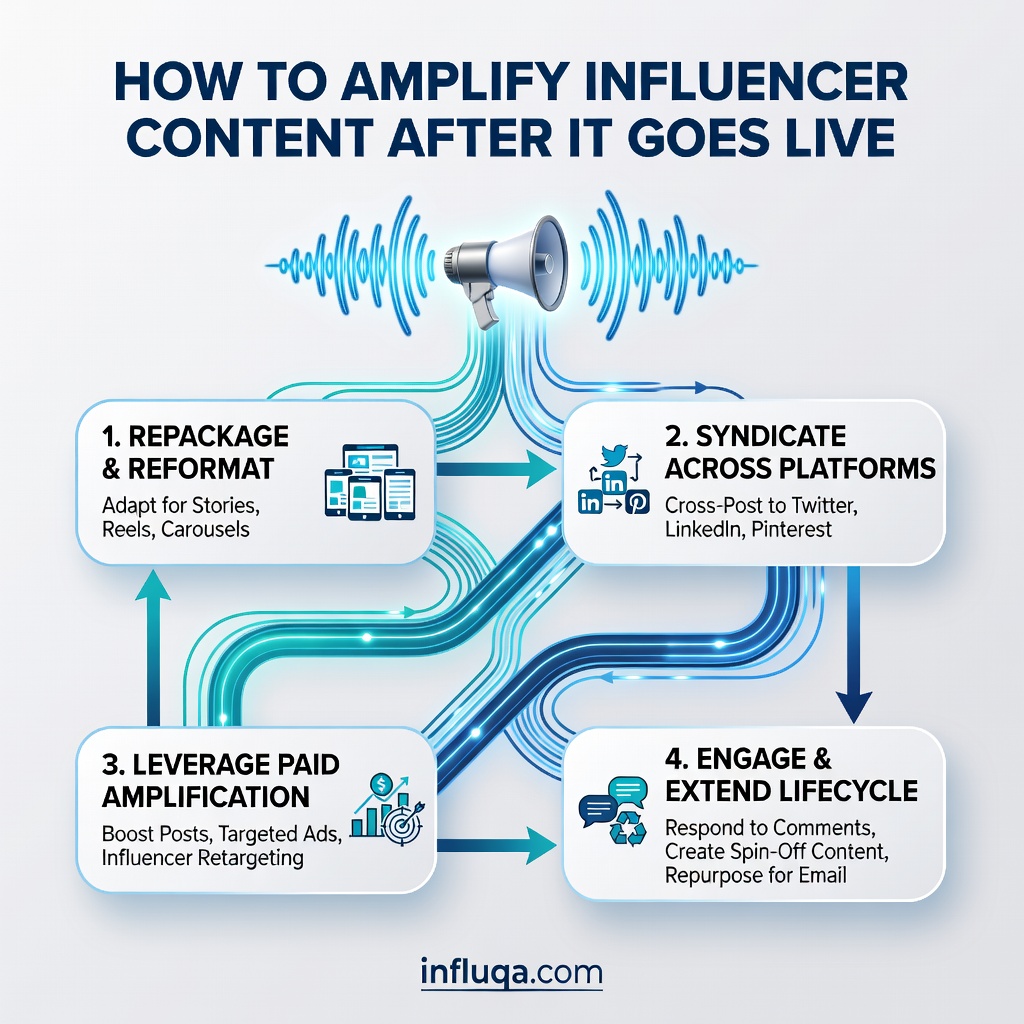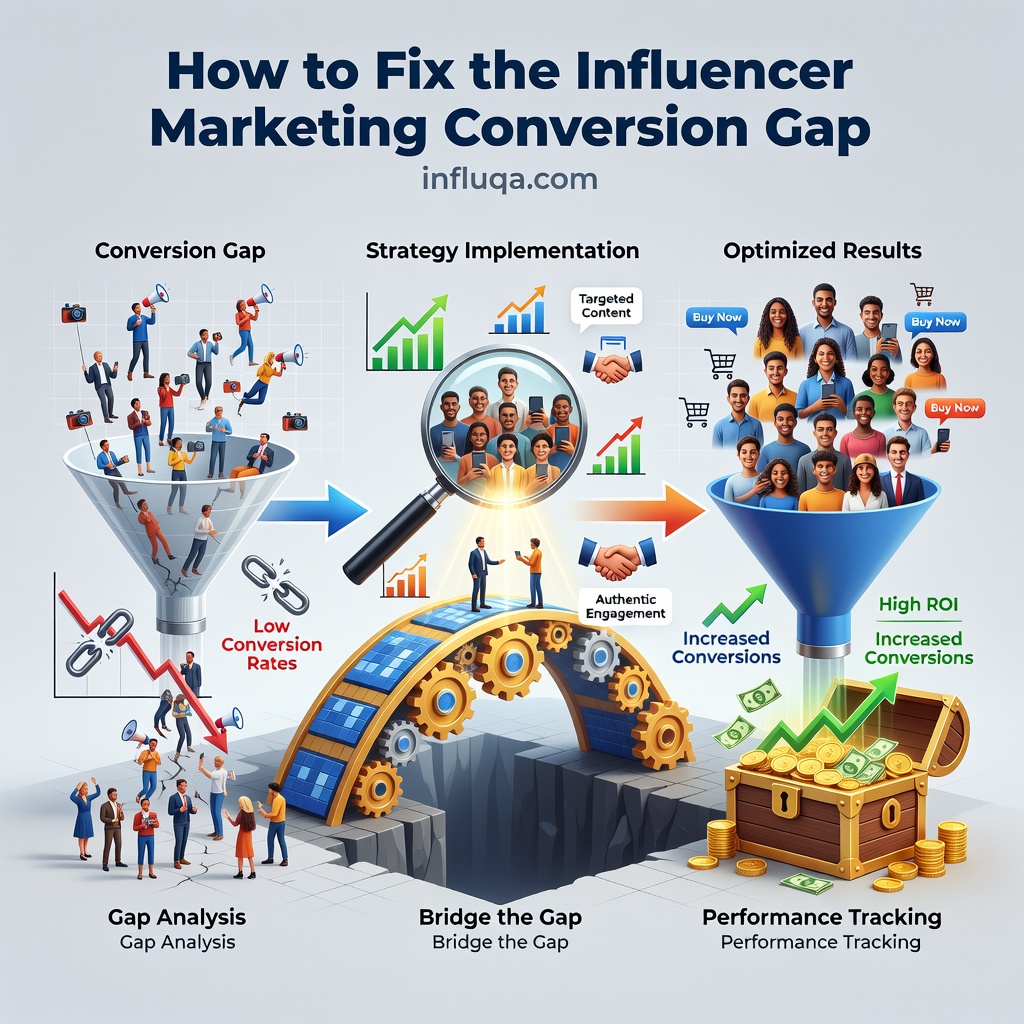
You've just launched a campaign. The content is live. You're watching the views and likes trickle in, but something feels... hollow. The numbers move, but they don't mean anything. You can't tell if anyone actually cared, if a single person was persuaded, or if your budget just evaporated into the digital ether. This is the silent crisis of vanity metrics, and it's costing brands and creators real opportunities.
Recently in Germany, a trending search topic highlighted this very pain point: "Reichweite vs. Wirkung"—Reach vs. Impact. German marketers and creators are actively seeking ways to move beyond superficial follower counts to understand genuine influence. It's a shift from asking "How many?" to asking "So what?"
Why Vanity Metrics Are a Dangerous Illusion
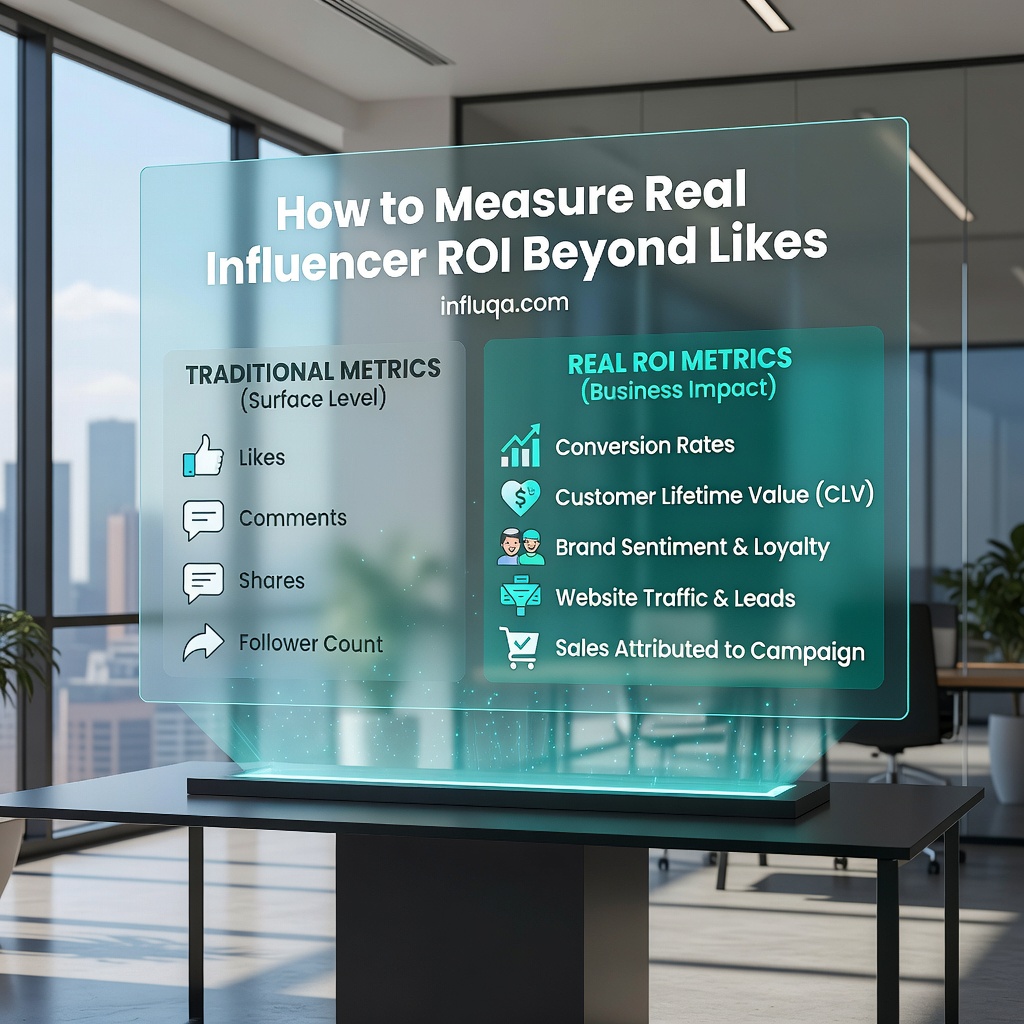
Likes, follower counts, and even view counts are what we call vanity metrics. They look impressive on a surface-level report, but they are notoriously poor indicators of real business value. A post can go viral and garner a million views without driving a single sale, sign-up, or shift in brand perception. Conversely, a piece of content with modest reach can deeply resonate with a niche audience and generate outsized results.
The problem is systemic. Platforms are designed to optimize for engagement that keeps users scrolling, not for conversions that help your business. This misalignment leads to campaigns built on shaky foundations. You might find an influencer on Influqa's influencer discovery platform with a massive following, but if that following is passive or disengaged, the collaboration will fall flat.
The Three Pillars of Meaningful Impact
To escape the vanity metric trap, you need to build your strategy around three core pillars of impact:
Audience Quality Over Quantity: A smaller, dedicated community that trusts the creator's recommendations is infinitely more valuable than a large, anonymous crowd. Look for indicators of community in comments and dedicated discussion spaces. Action-Oriented Engagement: Shift focus from likes to actions that matter: clicks, saves, shares, comments with intent, and most importantly, conversions. A "save" on Instagram, for example, signals intent to return, which is a stronger signal than a double-tap. Brand Affinity and Sentiment: This is the qualitative gold. Is the conversation around your brand positive? Are people using your branded hashtag authentically? Is the creator's audience adopting your product's language?
Building an Impact-First Campaign from the Ground Up
The journey to impact starts before you even search for a creator. It begins with your campaign goals. Instead of "increase awareness," define what awareness looks like. Is it a 10% lift in branded search volume? A specific number of qualified leads captured?
The most successful collaborations on platforms like Influqa's collaboration offers board are those where the brand and creator align on a single, measurable outcome from the very first conversation.
When briefing a creator, move beyond the standard creative guidelines. Provide them with the "why" behind the campaign. What problem does your product solve? What feeling should the content evoke? Empower them to translate your message into their unique voice for their community. This authenticity is what drives impact.
Tracking What Actually Matters
Forget the default in-platform analytics for your primary KPIs. You need to build a tracking system that connects creator activity to your business outcomes.
Use Trackable Links & Codes: Every creator should have a unique UTM parameter, discount code, or affiliate link. This is non-negotiable for measuring direct conversions. Monitor Assisted Conversions: Use Google Analytics or similar to see how influencer-driven traffic assists in conversions over a longer period, even if the user doesn't convert on their first click. Implement Branded Search Tracking: Use Google Trends or search console data to monitor spikes in searches for your brand name or specific product names following a campaign launch. Leverage Social Listening: Tools that track mentions, sentiment, and share of voice can show you the qualitative impact money can't buy.
Finding Creators Built for Impact, Not Just Reach
This shift in mindset changes how you source talent. You're no longer just filtering by follower count and category on a platform like Influqa's country-specific lists. You're looking for signals of genuine influence.
Here’s what to analyze during your discovery phase:
Engagement Rate Relative to Reach: A 2% engagement rate means very different things for an account with 10k followers versus one with 1 million. Calculate it and compare it to benchmarks for their tier. Comment Sentiment & Depth: Scroll through the comments. Are they generic ("Nice!" "🔥") or substantive ("Where did you get this?" "How long have you used this?"). The latter indicates a highly engaged, trusting audience. Content Consistency & Niche Authority: Does the creator post consistently about a specific topic? A German travel creator who only posts about sustainable travel in the Alps has more impact in that niche than a general lifestyle creator with twice the followers. Past Collaboration Authenticity: Review their previous branded posts. Do they feel like natural extensions of their content, or forced advertisements? Their audience can tell the difference.
Platforms like Instagram and TikTok each have different impact dynamics. A TikTok creator might drive massive top-of-funnel awareness through trends, while an Instagram creator might excel at driving direct sales through Stories and detailed captions. Choose based on your primary goal.
The Evergreen Framework for Measuring ROI
Return on Investment (ROI) is the ultimate impact metric, but it's often miscalculated. The simple formula of (Revenue - Cost) / Cost is correct, but the inputs are complex.
Step 1: Define "Revenue." This could be direct sales, lifetime value of acquired customers, content assets you can repurpose, or even the PR value of a high-profile collaboration.
Step 2: Account for All Costs. Beyond the creator fee, include costs for product seeding, agency fees, platform costs (like boosting the content), and your team's time.
Step 3: Attribute Value Correctly. Use multi-touch attribution models in your analytics to give fractional credit to the influencer touchpoint along the customer journey.
An impactful campaign's ROI often compounds over time. The content continues to be discovered, the brand association strengthens, and the relationship with the creator can lead to more organic, cost-effective partnerships in the future.
Ready to move beyond empty numbers and build campaigns with real impact? It starts with connecting with the right creators. Influqa.com is built for this new era of marketing, focusing on discoverability and authentic connection. Explore creators by category, analyze their true engagement, and start conversations that lead to measurable results. Stop counting likes and start creating impact.
The trend in Germany for "Reichweite vs. Wirkung" is a sign of an industry maturing. The brands and creators who win in the coming years won't be the ones with the biggest numbers, but the ones who can demonstrate the deepest, most meaningful connections with their audiences. By shifting your focus from vanity to value, you're not just optimizing a campaign—you're future-proofing your entire influencer marketing strategy.