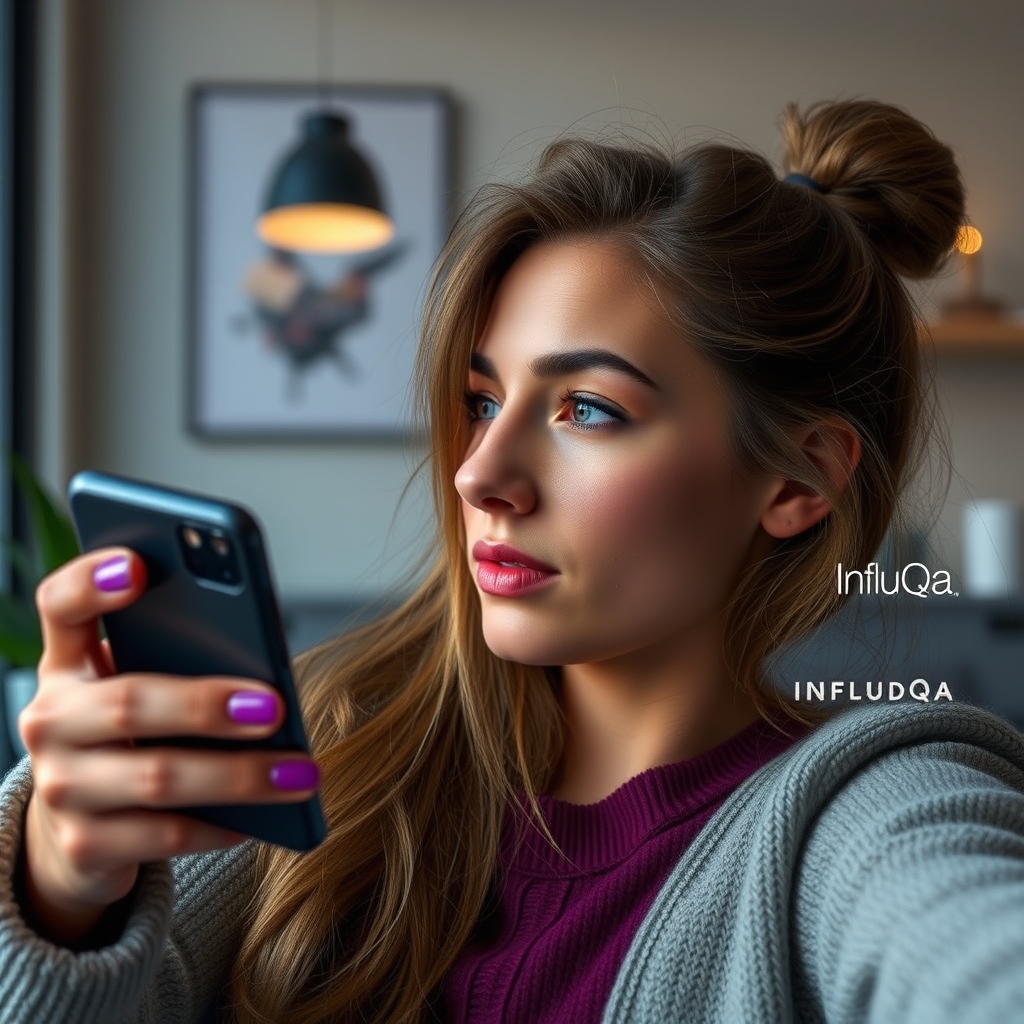
It started with a single, shaky selfie video. A creator in Canada, her face lit by the blue glow of her phone, simply asked her followers: "Is anyone else just... completely burnt out?" The response wasn't just comments; it was a tidal wave. That video, part of a broader trend dubbed "The Creator Burnout Confessional," didn't just go viral—it cracked open a long-silent conversation in the influencer marketing world.
Today, that phrase is trending at the top of search charts across Canada. It's more than a buzzword; it's a symptom of a fundamental shift. For years, the creator economy sold a dream of limitless hustle. Now, the very people who built that dream are publicly questioning its cost. As a strategist at Influqa.com, I've watched this evolution from a niche concern to a mainstream movement that brands and creators can no longer ignore.
The image of the perpetually "on" creator is fading. In its place is a more nuanced, more human reality. Audiences are no longer captivated by flawless perfection; they are connecting with raw honesty about the pressure to produce. This trend is reshaping everything from the types of brand collaborations that resonate to how platforms like Instagram and TikTok are used. It's a mental health reckoning that's becoming a core part of the business.
Why "Burnout" Is the Most Important Trend in Influencer Marketing
This isn't about a few tired YouTubers. This is a systemic issue affecting creators at every level. The algorithm demands consistency. Brands, found on platforms like Influqa.com, often seek relentless campaign energy. The line between personal life and public content has all but vanished. The "Confessional" trend is the backlash—a collective deep breath.
For marketers, this is critical intelligence. Partnering with a creator on the brink of burnout is a reputational and campaign risk. Their content loses authenticity, engagement drops, and forced collaborations feel hollow. Conversely, creators who openly manage their wellbeing are building unprecedented trust. Their recommendations carry more weight because they've shown their humanity. This creates a new filter for finding the right partners. Instead of just scanning influencer categories for reach, savvy brands are looking for sustainability.
The New Collaboration Blueprint: Wellness in the Contract
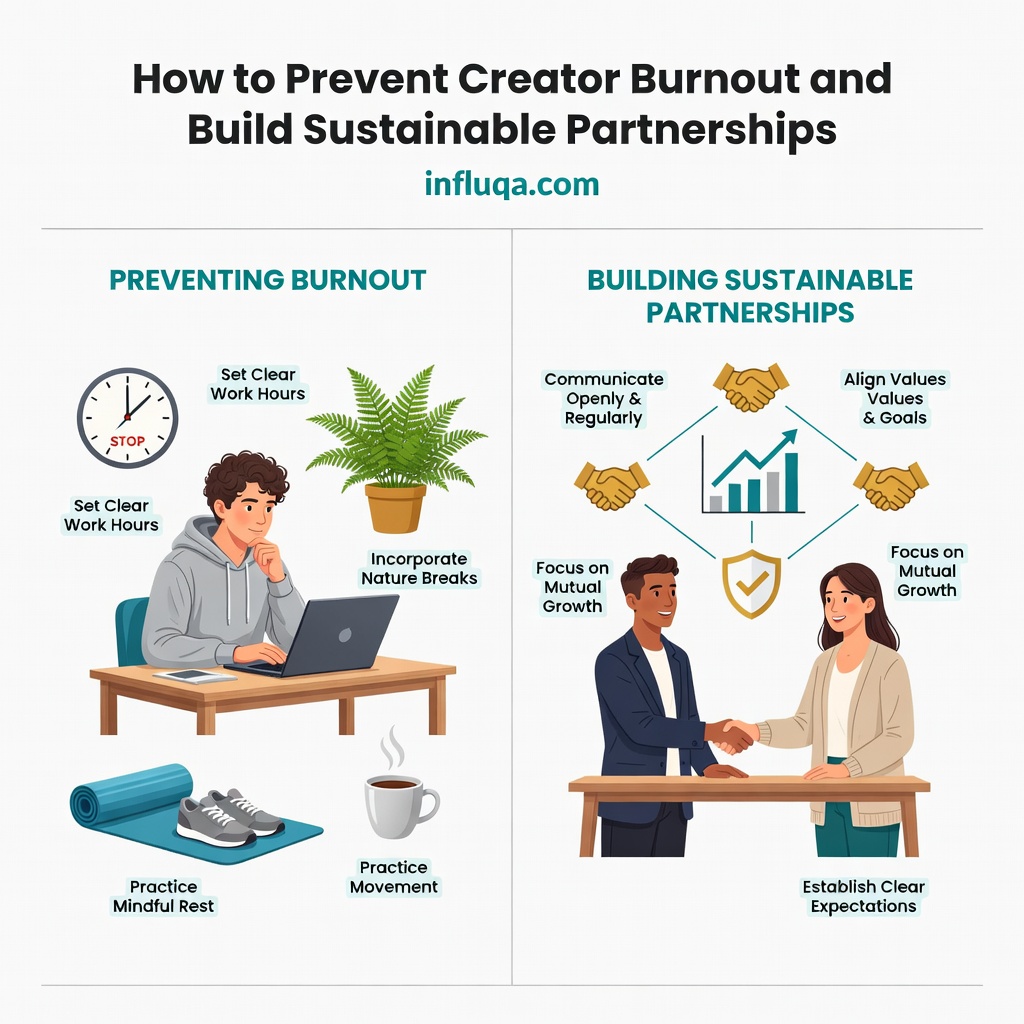
The old model was transactional: content for cash. The new model, pioneered by forward-thinking creators and brands, is relational. It builds wellbeing into the partnership. This can look like:
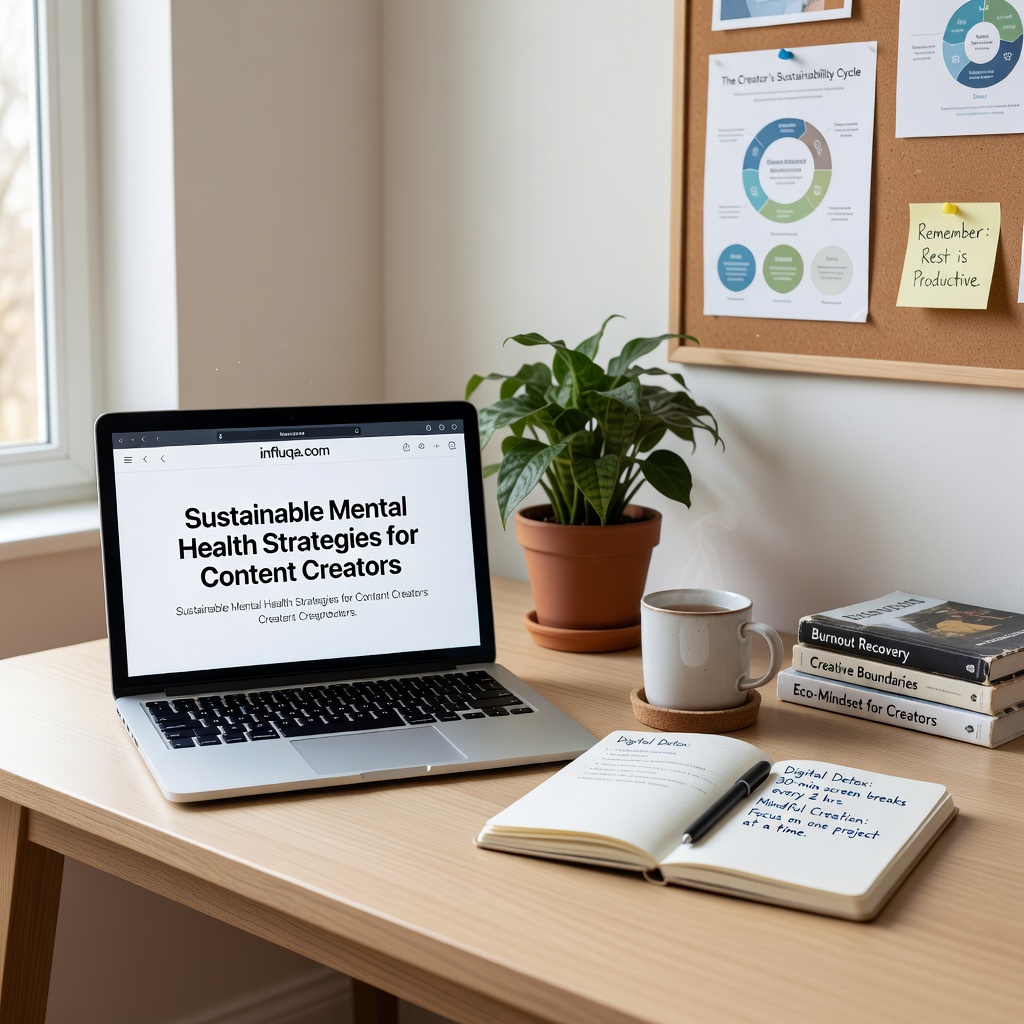
Flexible Timelines: Moving away from rigid, 24-hour turnaround demands to realistic schedules that account for creative process and rest. Mental Health Stipends: Allocating part of the collaboration budget for therapy, wellness apps, or digital detoxes. Content Boundaries: Explicitly agreeing on what is and isn't shareable, protecting the creator's private life and mental space. Process-Over-Product Shoots: Branded content that shows the real, unvarnished creation journey—including the breaks.
These aren't just nice-to-haves; they are becoming competitive advantages for brands that want authentic, long-term relationships with top talent. On Influqa.com, we're seeing a marked increase in collaboration offers that mention "flexible deadlines" and "creator-led concepts," signals of this shifting mindset.
Audiences Are Choosing Sides: The Empathy Dividend
The audience is the ultimate judge, and their verdict is clear. They are flocking to creators who are honest about their struggles. Comment sections on burnout confessionals are filled with messages like "Thank you for saying this," and "I thought it was just me." This creates a powerful community bond that no perfectly curated travel photo could ever achieve.
The most valuable currency in the new creator economy isn't likes—it's shared vulnerability. When a creator says 'I need a break,' and their audience supports them, that trust translates into unparalleled loyalty for the brands that support that creator's humanity.
This "empathy dividend" means campaigns built around realness outperform polished ads. A skincare brand partnering with a creator who discusses how stress affects her skin, and her routine for managing it, will see deeper engagement than a standard product placement. It’s marketing that feels like a conversation.
Navigating the Pitfalls: Authenticity vs. Oversharing
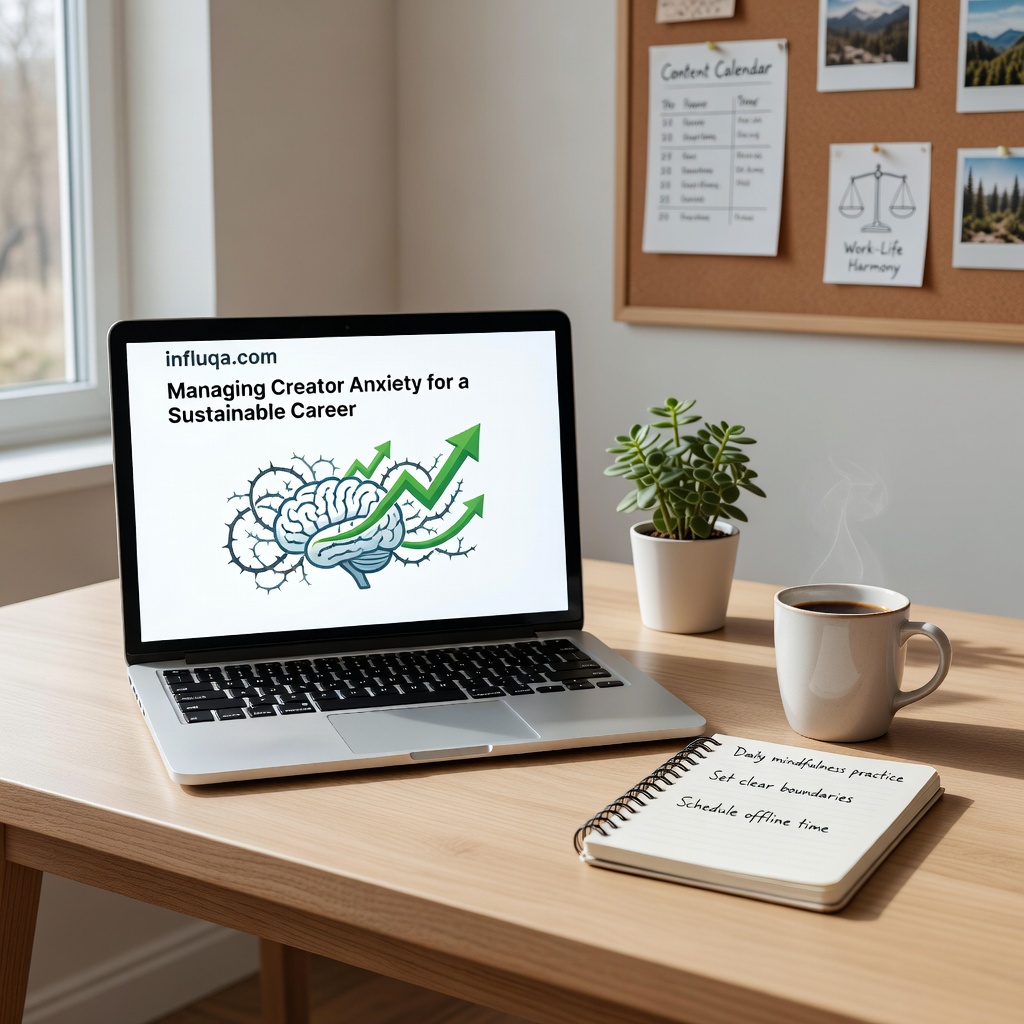
This trend requires careful navigation. There's a fine line between therapeutic sharing and content that can be emotionally damaging to both creator and viewer. The key is boundaried authenticity. It's sharing the feeling of being overwhelmed without detailing every traumatic source. It's showing a messy desk, not a mental health crisis.
Creators who master this are setting new standards. They are proving that you can build a successful career—and attract major brand deals discovered on sites like Influqa.com's Canadian influencer listings—without sacrificing your sanity on the altar of the algorithm.
The Strategic Imperative for Brands and Agencies
Ignoring this trend is a strategic misstep. Here’s how to adapt:
Due Diligence with Depth: When evaluating creators, look beyond metrics. Read their recent content. Are they showing signs of sustainable practice or frantic output? Revise Your Briefs: Encourage concepts that incorporate wellbeing. Instead of "5 videos in 5 days," try "A week in my real creative life, including how I recharge." Become a Partner, Not a Client: Check in. Ask, "How is this campaign pace for you?" This builds goodwill and ensures better content. Diversify Your Roster: Work with a mix of creators, including those who advocate for balanced digital lives. This protects your campaign pipeline from burnout-related disruptions.
The platforms are taking note too. Features like Instagram's "Take a Break" reminder or TikTok's series on creator wellbeing aren't just corporate PR; they are direct responses to this cultural shift. The most successful future campaigns will live at the intersection of trend participation and genuine care.
The "Creator Burnout Confessional" trend is more than a viral moment. It is the catalyst for a healthier, more sustainable, and ultimately more effective influencer marketing ecosystem. It reminds us that behind every handle is a human being. For creators, it's a call to set boundaries. For brands, it's an opportunity to lead with empathy and build deeper, more resilient partnerships.
This new landscape requires new tools for connection. At Influqa.com, we're committed to fostering these meaningful partnerships. Our platform helps you discover creators who are not only influential but also embody the sustainable practices that define the future of the industry. If you're ready to explore collaborations that respect the creator behind the content, start your search today and see the difference a human-centric approach can make.