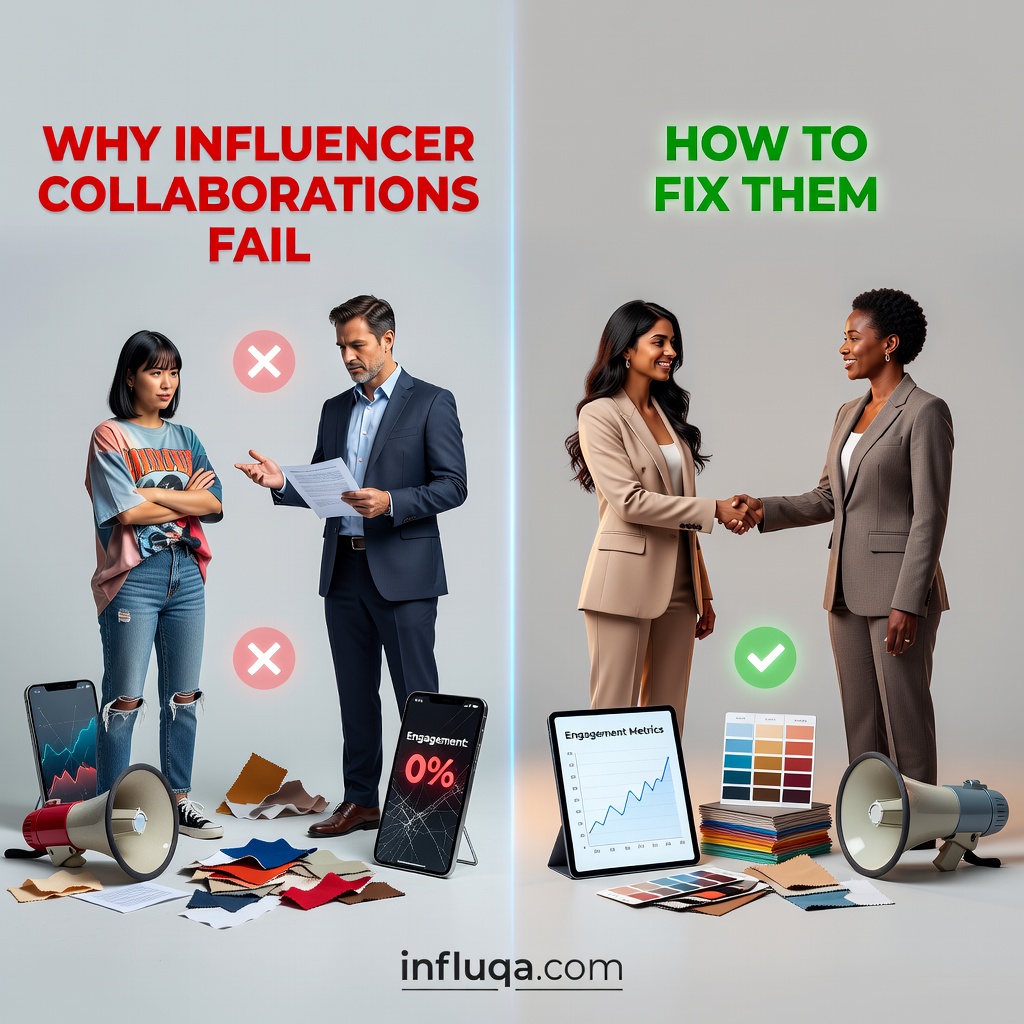
You’ve seen it happen. A brand launches a campaign with a popular creator, the content goes live, and then… silence. The engagement is mediocre, the sales bump is nonexistent, and everyone is left wondering what went wrong. The collaboration checked all the boxes—solid follower count, decent production value, on-brand messaging—yet it failed to resonate. This is the creator collaboration gap, and it’s the silent killer of influencer marketing ROI.
It’s not enough to simply partner with a creator who has an audience. The magic, and the measurable results, happen when there’s a deep, authentic alignment that goes beyond surface-level metrics. This is about moving from transactional shout-outs to transformational partnerships that feel genuine to the audience and drive real business goals. Let’s explore how to bridge that gap for good.
Why Perfect-Looking Collaborations Still Fall Flat
Before we fix the problem, we need to diagnose it. Often, the issue isn't with the creator's talent or the brand's product. It stems from a misalignment in the foundational elements of the partnership. Here are the common culprits:
Audience Mismatch (The Follower Fallacy)
Choosing a creator based solely on follower count is the oldest mistake in the book. A million followers mean nothing if they aren’t interested in your niche. A gaming influencer’s audience might love energy drinks, but they likely won’t engage with a post about luxury skincare. You need to dig into audience demographics, interests, and engagement patterns, which is precisely what tools on platforms like Influqa.com are built to reveal.
Forced Authenticity
Audiences today are savvier than ever. They can spot a scripted, brand-mandated post from a mile away. When a creator’s usual casual, humorous tone is replaced by stiff corporate jargon, the disconnect is immediate. The collaboration feels like an ad—because it is—and it gets scrolled past.
Goal Misalignment
Is the campaign aimed at brand awareness, direct sales, lead generation, or app downloads? If the brand wants sales but briefs the creator for a vague "brand love" video, the content won’t include the necessary calls-to-action or tracking mechanisms to drive conversions. Both parties must agree on the primary goal from day one.
The Blueprint for Transformational Partnerships
Closing the gap requires a strategic shift. It’s a process that prioritizes fit over fame and co-creation over control.
1. Discovery Beyond the Dashboard
Start your search not with a list of top influencers, but with a deep understanding of your target customer. Where do they spend time online? What kind of creators do they truly engage with (not just follow)? Use advanced search on Influqa’s category pages to find creators whose content themes naturally overlap with your product’s use case.
Pro Tip: Don’t just look at a creator’s last 10 posts. Scroll back 6 months. Does their content style and core audience interest remain consistent? This shows a stable, dedicated community, which is far more valuable than viral, fleeting fame.
2. The Co-Creation Brief
Throw away the rigid, 10-page legal brief. Replace it with a collaborative brief. This document outlines the brand guardrails (key messaging, mandatory disclosures, logo usage) and the creative freedom zone. The freedom zone is crucial. It says: "Here’s our product and its benefits. Your audience knows you best. How would you naturally introduce this to them?" This empowers the creator, leading to more authentic content.
3. Valuing Engagement Equity, Not Just Reach
Micro and nano-influencers often have higher engagement rates and more trusted voices within their communities. A campaign featuring 10 passionate nano-creators can frequently outperform a single mega-influencer partnership in both engagement and conversion. Explore diverse creator tiers by checking out active collaboration offers to see who is genuinely seeking brand partnerships.
Measuring What Actually Matters
If you’re only tracking likes and comments, you’re missing the point. Align your metrics with your original goal:
For Awareness: Track reach, video completion rates, branded search lift, and share of voice. For Consideration: Track website clicks, landing page visits, saves, and shares. For Conversion: Use trackable links, promo codes unique to each creator, and UTM parameters to measure direct sales and cost-per-acquisition.
The most important metric, however, is often qualitative: Has this collaboration generated authentic, user-generated-style content that we can repurpose? Has it improved brand sentiment?
The Evergreen Advantage of Getting It Right
When you bridge the collaboration gap, the benefits extend far beyond a single campaign. You build long-term ambassador relationships with creators who become genuine fans of your brand. You accumulate a library of authentic content that can be used in ads, on your website, and across your own social channels. Most importantly, you build trust with your target audience, because they see people they trust genuinely enjoying your product.
The future of influencer marketing isn't about finding someone to deliver your message. It's about finding a partner whose message already aligns with your brand's values.
This process requires more upfront work than simply blasting out a campaign brief to a hundred creators. It involves research, conversation, and trust. Platforms like Influqa are designed to facilitate this deeper connection, making it easier to discover the right creators, understand their audience, and initiate a meaningful partnership.
Ready to move beyond transactional collaborations and build partnerships that actually work? The gap between a good collaboration and a great one is smaller than you think. It starts with a shift in strategy and the right tools. Explore the possibilities and see creators actively looking for brands on Influqa.com. You can start by creating your free account to browse real offers and connect with creators who are already excited about building something authentic.