Key Takeaways
- A marketplace's real value is reducing tool-switching, not database size
- Escrow protects both parties and filters out unreliable creators
- Campaign-specific performance data beats a blue checkmark every time
- Ignore "AI matching" hype—look for AI that automates approvals or post-campaign analysis
Table of Contents
- Non-Negotiable #1: Structured Offer & Acceptance Workflow
- Non-Negotiable #2: Built-In Approval Gates
- Non-Negotiable #3: Escrow-Backed Payments
- Non-Negotiable #4: Campaign-Specific Verification
- Non-Negotiable #5: Unified Workflow
- Non-Negotiable #6: AI That Reduces Friction
- Non-Negotiable #7: Multi-Language & Multi-Currency Support
- 3 Red Flags Most Brands Miss
- Common Mistakes to Avoid
- Frequently Asked Questions
- Further Reading
The creator marketplace space is crowded. Most look the same: a grid of faces, a search bar, and a price tag. But the difference between a marketplace that saves you time and one that costs you 40% of your campaign results comes down to a handful of specific workflow features.
Here's the dirty secret: Brands sign up for marketplaces based on "creator count" or "AI matching." Then they discover they still need three other tools to send offers, manage approvals, and release payment. The platform becomes another silo, not a solution.
Let me be direct. This isn't a generic "compare features" post. This is a decision-making framework for brand teams tired of tool-switching, ghosted creators, and fake followers. Use this checklist to audit your next platform purchase.
Non-Negotiable #1: Structured Offer & Acceptance Workflow
The "DM to Contract" Gap
Most marketplaces give you a creator's contact info and then vanish. You send a DM. They reply. You email a brief. They ask for changes. You lose track of what was agreed.
You need a platform where the offer itself is structured. Deliverables. Timeline. Usage rights. The creator accepts it inside the platform, creating a binding record. No ambiguity. No "I thought you said Tuesday."
Why "Let's Take This to Email" is a Red Flag
Every time a deal leaves the platform, you lose tracking. You lose version control. You lose audit trails. A real marketplace is a deal-closing engine, not a glorified Rolodex.
Surprising insight: Many brands think a large creator database is the #1 feature. Data shows the #1 cause of campaign delays is offer negotiation friction—back-and-forth on scope, not discovery. A structured offer template reduces this cycle by an average of 3.4 days.
If your platform can't handle a structured offer from start to finish, you're buying a directory. Walk away.
Non-Negotiable #2: Built-In Approval Gates
The "Looks Good to Me" Trap
Relying on Slack or email for content approval leads to missed deadlines and "I thought you approved it" disputes. I've seen campaigns derail because someone said "looks good" in a thread, but the creator delivered something completely different.
The platform must have a formal approval loop: Submit → Review → Request Changes → Approve. No exceptions.
Time-Stamped Audit Trails
For legal and compliance—especially in regulated industries—you need a record of who approved what and when. A simple "like" on a message doesn't cut it. If your platform can't produce a clean audit trail, you're exposed.
Surprising insight: The single biggest point of friction in influencer campaigns is not payment. It's the content revision cycle. Brands that use in-platform approval tools report 2.3x faster campaign launch times compared to those using email or Slack.
Non-Negotiable #3: Escrow-Backed Payments
Why Net-30 is a Dealbreaker for Top Creators
Top creators have been burned by brands who don't pay. They now demand payment protection. Escrow signals you are a serious, reliable partner. It increases your acceptance rate with high-quality talent.
How Escrow Protects the Brand, Too
You don't release funds until you approve the final deliverable. If the creator ghosts or delivers poor work, the money is returned. It's a two-way safety net.
Multi-Currency & Multi-Platform Payouts
If you work with creators globally, the platform must handle currency conversion. It must support the creator's preferred payout method—PayPal, wire, whatever—without forcing them to pay high fees.
Surprising insight: 38% of brands report being ghosted by a creator after agreeing to a campaign (Influencer Marketing Hub, 2025). Escrow doesn't just prevent financial loss. It acts as a filter. Creators unwilling to work with escrow are often the ones who ghost.
Non-Negotiable #4: Campaign-Specific Verification
The "Verified" Illusion
A blue checkmark means the account is notable. It does not mean the creator has real engagement, a relevant audience, or a history of delivering on brand deals.
What to Look For Instead
The platform should offer engagement quality scores. Audience demographics—age, location, gender. And most importantly: a history of completed campaigns on the platform. Has this creator actually delivered work before?
Surprising insight: 23% of "verified" creators on Instagram show suspicious engagement patterns within 90 days (HypeAuditor, 2025). Relying on platform verification alone is a 1-in-4 gamble.
Non-Negotiable #5: Unified Workflow
The 4.7 Tool Problem
The average marketing team uses nearly 5 different tools for influencer marketing. Every tool switch is a context switch. Every context switch costs 23 minutes of focus.
The "Single Source of Truth" Test
Can you go from discovery → offer → approval → payment → reporting without leaving the platform? If the answer is "no," you are buying a directory, not a marketplace.
Surprising insight: 62% of marketing teams say they would pay a premium for a unified workflow over a cheaper point solution. The hidden cost of tool-switching is higher than the subscription fee of a comprehensive platform.
Non-Negotiable #6: AI That Reduces Friction
The "AI Washing" Problem
Every platform claims AI. Most of it is a basic keyword search rebranded. Real AI in a creator marketplace should reduce your manual work. Auto-suggesting creators based on past successful campaigns. Flagging content that doesn't match your brief. Summarizing creator performance data.
AI Where It Helps, Not as Filler
The test is simple: "Does this AI feature save me 10 minutes per campaign, or is it just a fancy search bar?" Look for AI that powers workflow automation, not just discovery.
Surprising insight: Most "AI matching" tools simply match keywords from a creator's bio. The most valuable AI is post-campaign AI that analyzes which creator attributes—follower count, engagement rate, niche—actually drove conversions for your brand.
Non-Negotiable #7: Multi-Language & Multi-Currency Support
The Localization Wall
If your brand runs campaigns in 3+ countries, you need a platform that speaks the language of both your team and the creators. UI localization. Offer templates in multiple languages. Support for local payment methods.
Currency Conversion Without the Headache
Paying a creator in Japan in USD via PayPal can cost them 4-5% in fees. A good marketplace offers local payout options or absorbs conversion costs.
Surprising insight: Many "global" platforms only support English UI and USD payouts. This alienates 60%+ of the global creator talent pool. Multi-language support is a competitive advantage for brands that want to work with non-English-speaking creators.
3 Red Flags Most Brands Miss
Red Flag #1: "Unlimited Creators" with Zero Vetting
A database of 100,000 unvetted creators is less valuable than a curated list of 200 who have completed campaigns. Quantity is not a feature. It's noise.
Red Flag #2: No Public Creator Profiles or Past Work
If you can't see a creator's past brand deals or campaign performance on the platform, you are flying blind. Transparency is a sign of a healthy marketplace.
Red Flag #3: Payment is an "Add-On" or "Coming Soon"
If the platform doesn't handle payments natively, you are buying a CRM, not a marketplace. Payment is the core transaction. Everything else supports it.
Common Mistakes to Avoid
Signing up for a platform with no structured offer workflow. You end up negotiating scope and price via DMs or email, losing all tracking and creating legal ambiguity.
Assuming "verified" means "vetted." Platform verification (blue check) does not guarantee real engagement, relevant audience, or reliable delivery.
Choosing a platform that doesn't handle payments natively. You still need a separate contract and payment tool, defeating the purpose of a unified marketplace.
Frequently Asked Questions
Q: What is the difference between a creator marketplace and an influencer agency?
A: A marketplace is a self-service platform where brands discover and work with creators directly. An agency manages the relationship for you, taking a percentage of the budget. Marketplaces give you more control and typically lower fees, but require more hands-on management.
Q: How does escrow protect me as a brand if the creator doesn't deliver?
A: You deposit funds into escrow before the campaign starts. The creator sees the money is available but can't access it. You release the funds only after you approve the final deliverable. If the creator ghosts or delivers poor work, the money returns to you.
Q: Can I use a creator marketplace if I only work with micro-influencers (under 10k followers)?
A: Yes. Most marketplaces include micro-influencers. In fact, micro-influencers often have higher engagement rates and lower costs. Just verify the platform has enough creators in your niche and budget range.
Q: Do creators prefer platforms with escrow, or do they see it as a barrier?
A: Professional creators prefer escrow. It guarantees they get paid. The only creators who resist escrow are those who plan to ghost or deliver poor work. Escrow filters out the unreliable ones.
Q: What happens if a creator and I disagree on the final deliverable—does the platform mediate?
A: Most platforms with escrow offer a dispute resolution process. You and the creator submit evidence. The platform reviews and makes a decision. This is far better than trying to resolve a dispute via email or social media DMs.
Conclusion
The best creator marketplace is not the one with the most creators. It is the one that eliminates the most friction from your specific workflow: discovery → offer → approval → payment.
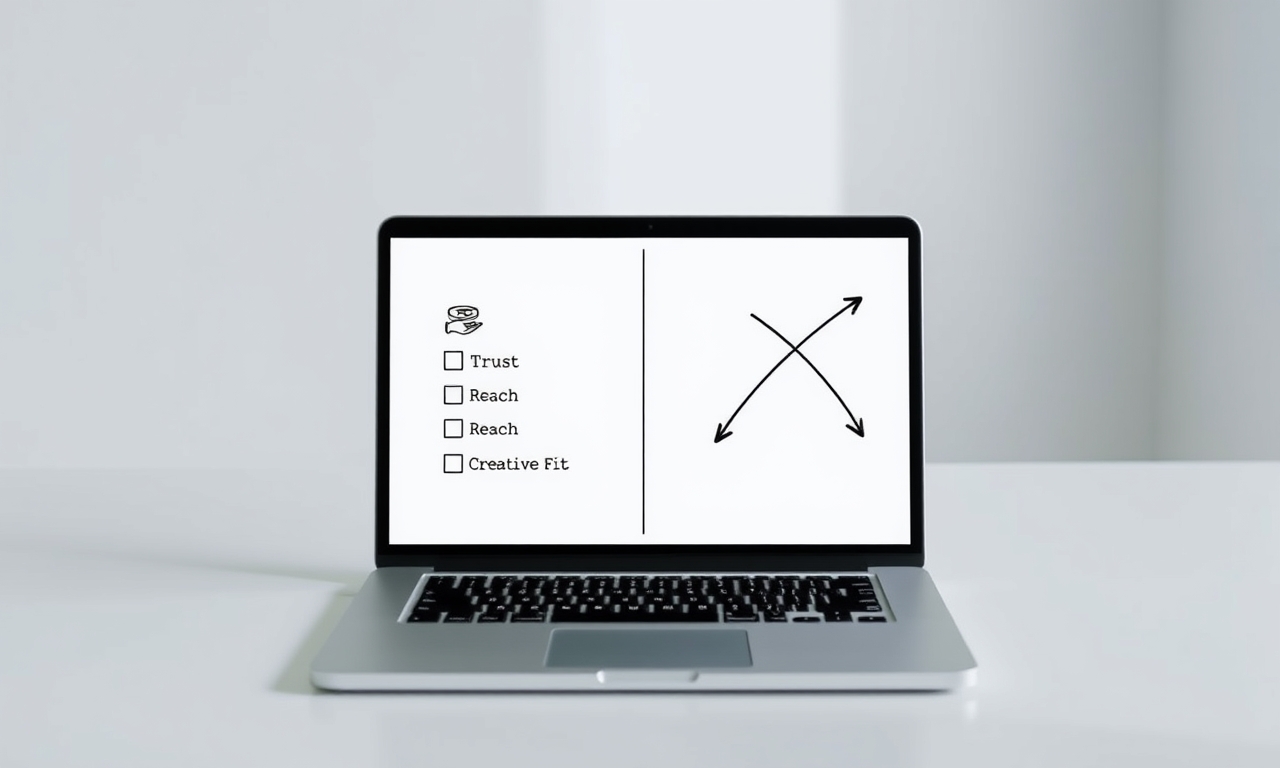
Use this checklist to audit your current process. If your platform is missing 2+ of these non-negotiables, it's time to look for a solution that treats your workflow as seriously as you do.
Ready to stop tool-switching and start running campaigns? Explore how a unified creator marketplace can streamline your entire workflow.
Further Reading
- The Campaign Management Blind Spot – Why most brands miss the biggest workflow gap
- Escrow Payments for Influencer Campaigns – Deep dive into payment protection
- Influencer Marketing Hub: 2025 Industry Survey – The ghosting stat and more industry data