Key Takeaways
- Escrow speeds up deals, not just protects them. Pre-funding an offer signals professionalism and boosts creator acceptance rates.
- Define "delivery" clearly in the escrow terms. Vague criteria cause most disputes. Use milestone-based release to protect both sides.
- Pre-funding an offer gives you a competitive edge. Creators are far more likely to accept a deal with escrow-backed funds than a standard invoice-based offer.
- Automate reconciliation. The biggest hidden time-saver is eliminating manual invoice matching and bank transfers.
Table of Contents
- Why "I'll Pay You After the Post" Is a Broken Promise
- The Anatomy of a Frictionless Escrow Workflow
- The 3 Non-Obvious Mistakes Brands Make with Escrow
- How to Structure an Escrow Offer That Top Creators Actually Accept
- What Happens When Things Go Wrong?
- The Future of Escrow in Influencer Marketing
- Common Mistakes to Avoid
- Frequently Asked Questions
- Further Reading
Why "I'll Pay You After the Post" Is a Broken Promise
Standard influencer payment models? Broken. You know it. Creators know it. Yet brands keep doing the same thing—sending vague "we'll pay you net-60" offers and wondering why top talent ignores them.
Payment friction is the silent deal-killer nobody talks about.
The trust deficit between brands and creators
Think about the asymmetry. As a brand, you fear paying upfront and getting low-quality work. Maybe the creator ghosts you. Maybe the content misses the mark. You've been burned before.
Creators feel the exact opposite fear. They deliver the content, send the invoice, and then wait. And wait. And wait some more. Nearly two out of five mid-tier influencers (10k-100k followers) cited payment delays and complex invoicing as the primary reason they stopped working with a brand.
That's almost 40% of creators walking away because you couldn't pay them on time.
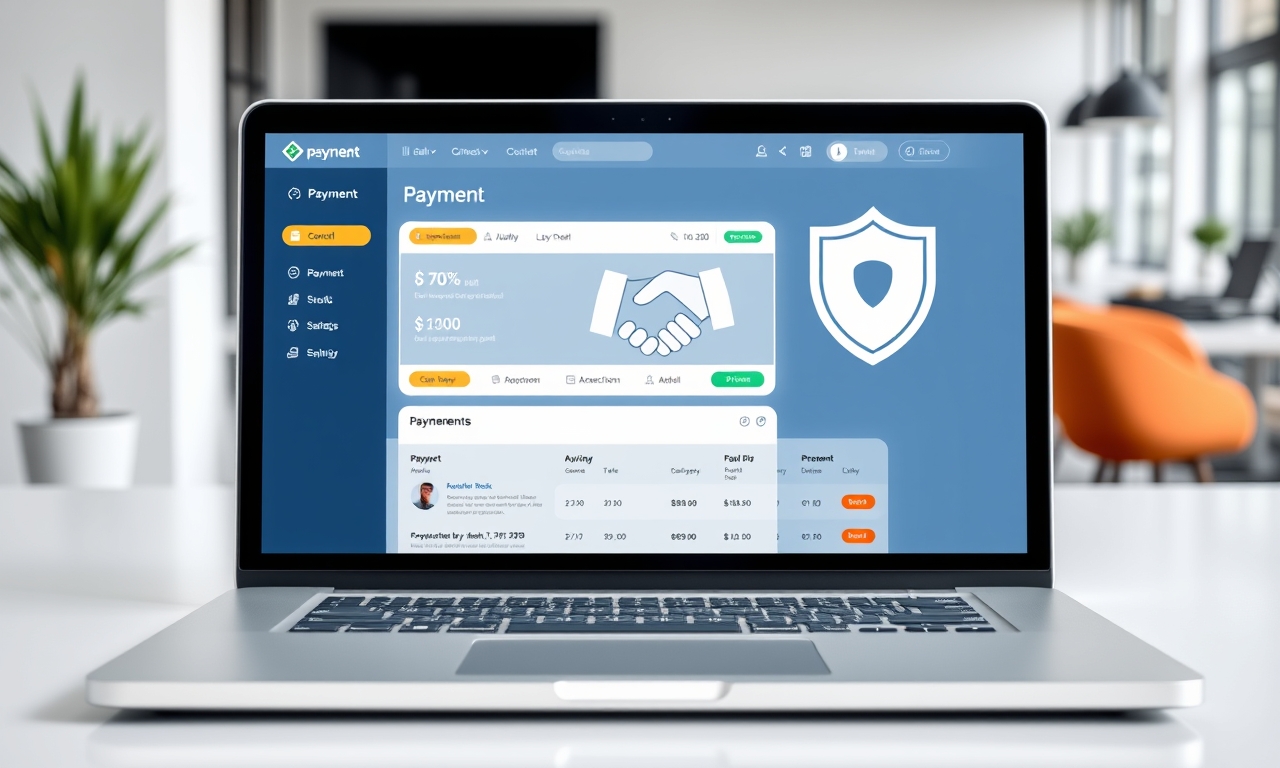
Escrow solves both fears at once. The brand deposits funds before work starts. The creator sees the money is real. Neither side can cheat the other. Simple.
The hidden cost of payment friction
Most brands don't realize what they're losing with net-30 or net-60 terms. It's not just the creator churn. It's the opportunity cost.
When a creator chooses between your offer (pay in 60 days) and another brand's offer (pay in 7 days via escrow), which one do they pick? Creators have bills to pay. They prioritize brands that respect their time.
I've seen brands lose deals over a $10 escrow fee on a $1,000 campaign. The creator didn't care about the fee. They cared about the signal. A brand that won't secure funds upfront might not pay at all.
Escrow as a signal, not a process
Here's what most people miss: the moment you say "the funds are already in escrow," the entire conversation changes.
Before escrow, the creator thinks: "Will I get paid? How long will it take? Do I need to chase accounting?"
After escrow, they think: "Let's make this content amazing."
That shift matters. It changes the energy of the collaboration. It tells the creator you're serious. You're professional. You won't waste their time.
Most brands think escrow is for "risky" deals with new creators. In reality, it's most effective for repeat deals with trusted creators. Because it removes the administrative overhead of renegotiating payment terms every single time. No new contract needed. No chasing approvals. Just fund the escrow and move on.
Same logic applies to verification—if it's not tied to workflow, it's a trap. Payment trust is a trap if it's not tied to a structured escrow process. You need both.
[Link to "The Verification Trap" article]
The Anatomy of a Frictionless Escrow Workflow
Most people think escrow is just "hold money, release money." That's like saying a car is just "four wheels and an engine." Technically true. Completely misses the point.
The real value comes from how you structure the workflow.
Stage 1: Fund the Offer Before the Creator Says Yes
Here's where most brands get it wrong. They wait until the creator agrees, then set up payment. Backward.
The smart move: deposit funds into escrow at the moment you send the offer. Not after. Before.
Why? Because it turns your offer from a "maybe" into a "serious commitment." The creator sees the funds are already secured. They don't need to wonder if you'll follow through. They don't need to negotiate payment terms. The money is there.
This is a competitive advantage. Most brands send offers that say "we'll pay you later." Your offer says "the money is waiting for you right now." Which one gets accepted faster?
Stage 2: Release Funds by Milestones, Not in One Lump Sum
Don't release the entire payment at once. Break it into milestones. Here's a simple structure that works:
- Content draft approved — 30% released
- Content posted — 50% released
- 7-day retention period — 20% released
This protects both sides. The brand doesn't pay full price for work they haven't approved. The creator gets paid incrementally instead of waiting for one big payout at the end.
The key is defining what "approved" means. More on that in a minute.
Stage 3: Automate Reconciliation
This is the unsung hero of escrow workflows.
When the milestone is approved, the platform automatically releases the funds. No invoices. No manual bank transfers. No "the check is in the mail."
Here's the stat that matters: brands spend an average of 20 minutes per influencer campaign just matching invoices to posts. That's 20 minutes of someone's time doing data entry. Multiply that by 50 campaigns a month, and you've lost a full workday to administrative nonsense.
Escrow with automated release eliminates that entirely. The payment happens when the milestone is approved. Done.
This becomes even more critical when working across borders. A recent IAB study found that 44% of influencer campaigns now involve a creator in a different country than the brand. Wire fees and currency conversion costs can eat 5-8% of a creator's fee. Multi-currency escrow solves that.
The 3 Non-Obvious Mistakes Brands Make with Escrow
Most brands make the same three mistakes. Here's what they are and how to avoid them.
Mistake #1: Treating Escrow Like a Dispute Resolution Tool
If you're only using escrow to handle conflicts, you're missing the point entirely.
Escrow isn't a safety net for when things go wrong. It's a workflow tool for when things go right. The real value is preventing disputes by having clear, pre-funded milestones.
Think about it: most payment disputes happen because expectations weren't aligned. The creator thought they'd get paid for a draft. The brand thought they'd only pay for a finished post. Escrow forces you to define those expectations upfront.
Use escrow to prevent disputes, not just resolve them.
Mistake #2: Not Defining "Delivery" in the Escrow Terms
Vague terms lead to disputes. It's that simple.
If your escrow agreement says "content approved," what does that mean? Approved by whom? Approved based on what criteria? What happens if the brand's approval manager is on vacation?
Define the criteria inside the escrow agreement. For example: "Post must include 2 story mentions and 1 feed post with link to product page. Approval must be confirmed by brand's marketing manager within 72 hours of submission."
When the criteria are clear, disputes almost never happen. The question isn't "who is right?" It's "did the creator meet the criteria?"
Mistake #3: Ignoring the Creator's Payment Preferences
Some creators want instant payout to PayPal. Others want wire transfer to a bank. Some prefer cryptocurrency.
A rigid escrow system that only offers one payout method will still cause friction. You solved the "will I get paid?" problem but created a "how do I get paid?" problem.
The best approach is to offer multiple payout options. Let the creator choose what works for them. A $10 fee on a $1,000 deal is negligible. Making the creator jump through hoops to get their money is not.
How to Structure an Escrow Offer That Top Creators Actually Accept
You've got the workflow. Now let's talk about the offer itself.
The "Funds Secured" Badge
When a creator sees an offer with pre-funded escrow, they know it's real. They don't need to wonder if you'll pay. They don't need to chase accounting.
This is a competitive advantage. Most brands send "we'll pay you later" offers. Your offer says "the money is waiting for you right now."
Creators report that a pre-funded escrow offer is far more likely to be accepted than an identical offer with "payment upon invoice." The money being "in the room" changes the psychology of the negotiation.
Transparent Fee Splitting
Nobody likes hidden fees. Be upfront about who pays the escrow fee.
You have three options:
- You cover the fee entirely
- Split it 50/50
- The creator covers it
Any of these can work. The key is transparency. A $10 fee on a $1,000 deal is negligible. Hiding it until the last minute erodes trust.
The "No-Risk" Offer for the Creator
Emphasize that the creator sees the funds are real. They don't need to chase accounting. They don't need to worry about chargebacks. They don't need to wait 60 days.
This makes your offer the easiest "yes" they'll get all week.
[Link to "The Campaign Management Blind Spot" article]
What Happens When Things Go Wrong?
Let's be realistic. Sometimes things go wrong. Here's how escrow handles the three most common scenarios.
Scenario A: Creator Doesn't Deliver
The creator takes the money and disappears. It happens.
With escrow, the brand requests a refund. The platform mediates. If the creator has no proof of work, funds are returned to the brand. No chargeback needed. No legal fees. No stress.
Scenario B: Brand Cancels After Content is Created
The creator has already invested time. They shot the video. They wrote the caption. They edited the post.
A fair escrow agreement includes a "kill fee" clause. For example, 50% of the fee if content is approved but not posted. The creator gets paid for their work. The brand doesn't pay full price for content they won't use.
Scenario C: Chargeback Fraud
This is the one nobody talks about.
A recent report showed that the "digital services" category saw a 22% increase in friendly fraud chargebacks. That means creators getting paid, then the brand claiming the charge was fraudulent.
Escrow prevents this. The brand's funds were already held. The creator gets paid. The brand's bank dispute is handled separately. The creator doesn't get caught in the middle.
Most escrow disputes are resolved in under 48 hours when the delivery criteria are clearly defined in the platform. The dispute isn't about "who is right." It's about "did the creator meet the criteria?"
The Future of Escrow in Influencer Marketing
Where is this going? Three trends worth watching.
Smart Contracts on the Horizon
Full blockchain escrow is still niche. But "programmatic escrow" is becoming standard. Payment is released automatically when a post is detected by the platform's API. No human approval needed.
This isn't science fiction. It's already happening.
Dynamic Pricing and Escrow Tiers
Brands will set different escrow rules for different creator tiers. Nano-influencers get instant release. Macro-influencers get milestone-based release. The system adapts to the relationship.
Escrow as a Credit Tool
Imagine a brand borrowing against their escrow balance to run more campaigns simultaneously. This is already happening in B2B procurement. It's coming to influencer marketing.
The next evolution isn't about holding money. It's about moving money faster. The goal is to get the creator paid within 1 hour of posting, not 1 week.
Common Mistakes to Avoid
Using escrow only for "risky" or new creators. The biggest ROI comes from using escrow with repeat creators. It removes administrative overhead and speeds up repeat bookings.
Not including an "auto-release" clause. If the brand doesn't approve content within 72 hours, the funds should auto-release to the creator. This prevents bottlenecks when someone is on vacation.
Hiding escrow fees from the creator. A small, transparent fee builds trust. A hidden fee that surprises the creator at payout destroys it.
Frequently Asked Questions
Does escrow protect the brand if the creator posts content that violates FTC guidelines? Yes, if the escrow agreement includes compliance criteria. Define FTC compliance as a delivery requirement. If the creator violates it, the brand can dispute the release.
How are escrow fees calculated—percentage or flat fee? Most platforms charge a percentage (typically 2-5%) or a flat fee per transaction. Some offer tiered pricing based on volume. Always check before committing.
Can a brand partially release funds if they only approve part of the content? Yes. Milestone-based escrow allows partial releases. Approve the content that meets criteria, hold the rest until the remaining deliverables are complete.
What happens to the escrow funds if the campaign is delayed by a week? Funds remain in escrow until the campaign completes or is canceled. No one loses money due to delays. The timeline can be extended by mutual agreement.
Is escrow available for international creators in different currencies? Yes. Multi-currency escrow handles cross-border payments. It converts funds at the time of release, protecting both parties from exchange rate fluctuations.
Further Reading
- The Verification Trap: Why Trusting Creator Profiles Isn't Enough — Understanding the full workflow beyond payment
- The Campaign Management Blind Spot: What Most Brands Miss — How payment friction costs you results
- Influencer Marketing Hub: State of Influencer Marketing Report — Industry data on creator churn and payment trends
Ready to stop chasing payments and start building campaigns?
Escrow isn't just about security. It's about speed. It's about trust. It's about getting back the hours you waste on invoices, approvals, and reconciliation.
If you're running influencer campaigns and still using net-30 terms, you're leaving money and talent on the table.
Start building better campaigns with escrow-backed payments →