Key Takeaways
- In 2026, an influencer platform's real value is trust infrastructure (verification, escrow, structured offers). Not discovery.
- Offer-to-payment speed is a critical KPI. It directly impacts your ability to attract and keep top creators.
- AI matching is a tool. Not a replacement for human judgment. Look for platforms that explain why they recommend a creator.
- A unified workflow (offer → approval → payment) saves an average of 11 hours per campaign compared to fragmented tools.
Table of Contents
- Why 2026 is the Year of the "Trust-First" Platform
- The New KPI: "Offer-to-Payment" Cycle Time
- AI Matching: Useful Tool, Not a Magic Wand
- Verification is the New Discovery
- The Global Creator Economy: Multi-Currency & Multi-Language
- Workflow Over Features: What a Unified Platform Actually Looks Like
- How to Evaluate a Platform in 30 Minutes
- Common Pitfalls When Adopting an Influencer Platform
- The Future (Late 2026 and Beyond): Platform Interoperability
- Conclusion: Choose the Platform That Respects Both Sides
- Frequently Asked Questions
- Further Reading
Why 2026 is the Year of the "Trust-First" Platform
Let's get one thing straight. The influencer marketing industry has a trust problem.
For years, brands chased vanity metrics. Follower counts. Like-to-post ratios. Impressions that looked good in a slide deck but meant nothing for actual sales. That era? Over.
In 2026, the numbers tell a clear story. A report from eMarketer found that 47% of brands now cite "fraud detection and verification" as their primary reason for adopting an influencer platform. That beats "discovery" at 34%. For the first time, trust matters more than reach.
Here's the dirty secret most platforms don't want you to know: many still rely on self-reported data from creators. They ask for a screenshot of analytics and call it "verified." That's not verification. That's a honor system with zero accountability.
The shift matters because fraud is getting smarter. Bots don't just follow anymore. They comment. They like. They create entire fake engagement ecosystems. A platform that only checks follower counts is essentially blind.
The death of the "spray and pray" DM
Most people don't realize how much time brands waste on manual outreach. You find a creator on Instagram. You send a DM. You wait. You send an email. You wait again. You negotiate terms over five back-and-forth messages. Then the creator ghosts you.
That's the "spray and pray" model. It worked in 2020. It's a disaster in 2026.
Structured offers are now table stakes. A platform should let you send a clear, binding offer with deliverables, deadlines, and payment terms. No ambiguity. No "we'll figure it out later."
The surprise insight? The #1 reason brands leave a platform isn't price. It's "ghost creators" — people who accept an offer and then disappear. Platforms that enforce accountability win. That means escrow, structured offers, and clear cancellation policies.
The New KPI: "Offer-to-Payment" Cycle Time
Speed is a competitive advantage now. Not a nice-to-have. A must-have.
Influencer Marketing Hub's 2026 benchmark study found that brands using an end-to-end platform reduce the average time from initial offer to payment release by 62%. Compare that to manual invoicing and spreadsheets. The difference is massive.
Why does this matter? Because creators have options. A 2026 survey by Later found that 71% of creators said they would turn down a brand deal if the payment terms required net-60 or longer. Even if the pay was higher. They'd rather work with a brand that pays faster.
Think about that. You could offer more money and still lose the deal because your payment terms are slow.
The escrow advantage
Escrow isn't just for real estate anymore. In influencer marketing, it solves two problems at once.
For brands: You don't pay until the creator delivers. The money sits in a secure account. If the creator ghosts you, the funds come back.
For creators: You know the money exists. No more chasing invoices. No more "the check is in the mail." You deliver the content, the platform releases payment.
This builds trust on both sides. And trust translates to better relationships.
Here's a data point that should make you sit up: Brands that pay creators within 7 days see 40% higher response rates to future offers, according to a 2026 Creator Economy study. That's not a small bump. That's nearly half again as many creators saying yes.
If you're still on net-60 terms, you're actively hurting your ability to book top talent. Period.
AI Matching: Useful Tool, Not a Magic Wand
I need to be honest about AI. It's not the silver bullet some platforms claim.
A 2026 Gartner report found that only 22% of marketing leaders trust AI-only creator recommendations without human review. That means 78% want a human in the loop. They want AI to narrow the list, not make the final call.
Here's why: The "black box" problem. Some platforms feed data into an algorithm and spit out recommendations without explaining why. Why did it match this creator with your brand? What signals did it use? If the platform can't answer that, you're flying blind.
The winning approach is "AI-assisted, human-approved." AI should handle the grunt work — scanning thousands of profiles, filtering by niche, checking basic metrics. But the brand makes the final decision.
What good AI actually does
The best AI in 2026 doesn't just find creators. It flags risk.
It can check for past brand conflicts. If a creator promoted a competitor last month, the AI should surface that. It can analyze audience overlap — if 40% of a creator's followers already follow your brand, you're paying for reach you already have.
Good AI is transparent. It shows its work. It says, "We matched this creator because their audience demographics align with your target market, their engagement rate is above average for their niche, and they have no recent brand conflicts."
Bad AI says, "Trust us. This is a good match."
Don't trust the black box.
Verification is the New Discovery
Let's talk about what "verified" actually means in 2026.
A blue checkmark on Instagram doesn't cut it. That's a badge of identity, not authenticity. It tells you the account belongs to a real person. It tells you nothing about their audience.
Real verification goes deeper. It analyzes engagement patterns for bot-like behavior. It checks for sudden follower spikes that indicate purchased followers. It looks at comment quality — are people actually engaging, or is it all emoji spam?
Many platforms claim "vetted creators" but only check follower counts. That's not vetting. That's counting.
Red flags in verification
Here's what to watch for:
- No real-time data. If the platform only checks creator metrics once at signup, those numbers are stale within weeks.
- Self-reported analytics. If creators upload screenshots of their dashboard, there's no way to verify accuracy.
- No engagement quality analysis. Follower count alone means nothing. A creator with 10,000 real, engaged followers is worth more than one with 100,000 bots.
True verification is continuous. It monitors creator performance over time. It flags anomalies. It gives you confidence that the person you're paying actually has the audience they claim.
The Global Creator Economy: Multi-Currency & Multi-Language
Limiting your search to local creators is a missed opportunity. The creator economy is global. Your campaigns should be too.
But here's the problem: Cross-border payments are a nightmare. Currency conversion fees eat into your budget. International wire transfers take days. Exchange rates fluctuate. And if you're paying creators in different currencies, reconciliation becomes a spreadsheet hell.
A 2026 report on cross-border creator payments found that brands using multi-currency platforms report 30% lower total campaign costs. That's from eliminating intermediary bank fees and FX markups. Thirty percent. That's not pocket change.
The language barrier
Communication is another hidden cost. If you're working with creators in different countries, language differences lead to miscommunication. Briefs get misunderstood. Deadlines get missed. Content needs revisions.
Platforms with native multi-language support reduce this friction. They let you write briefs in your language and translate them automatically. They support creator communication in multiple languages. They handle the logistics so you can focus on the creative.
If you're running global campaigns, don't settle for a platform that only supports English and one currency. You're leaving money on the table.
Workflow Over Features: What a Unified Platform Actually Looks Like
Here's a scenario I see all the time:
A brand finds a creator on Instagram. They negotiate terms over email. They send a contract via DocuSign. They track deliverables in a shared Google Sheet. They approve content in Slack. They pay through PayPal or wire transfer.
That's five different tools for one campaign. And every handoff is a chance for something to go wrong.
The average brand wastes 11 hours per campaign just on administrative follow-up. Chasing approvals. Tracking down invoices. Repeating the same information in different systems. Eleven hours that could go toward strategy, creative, or relationship building.
The single source of truth
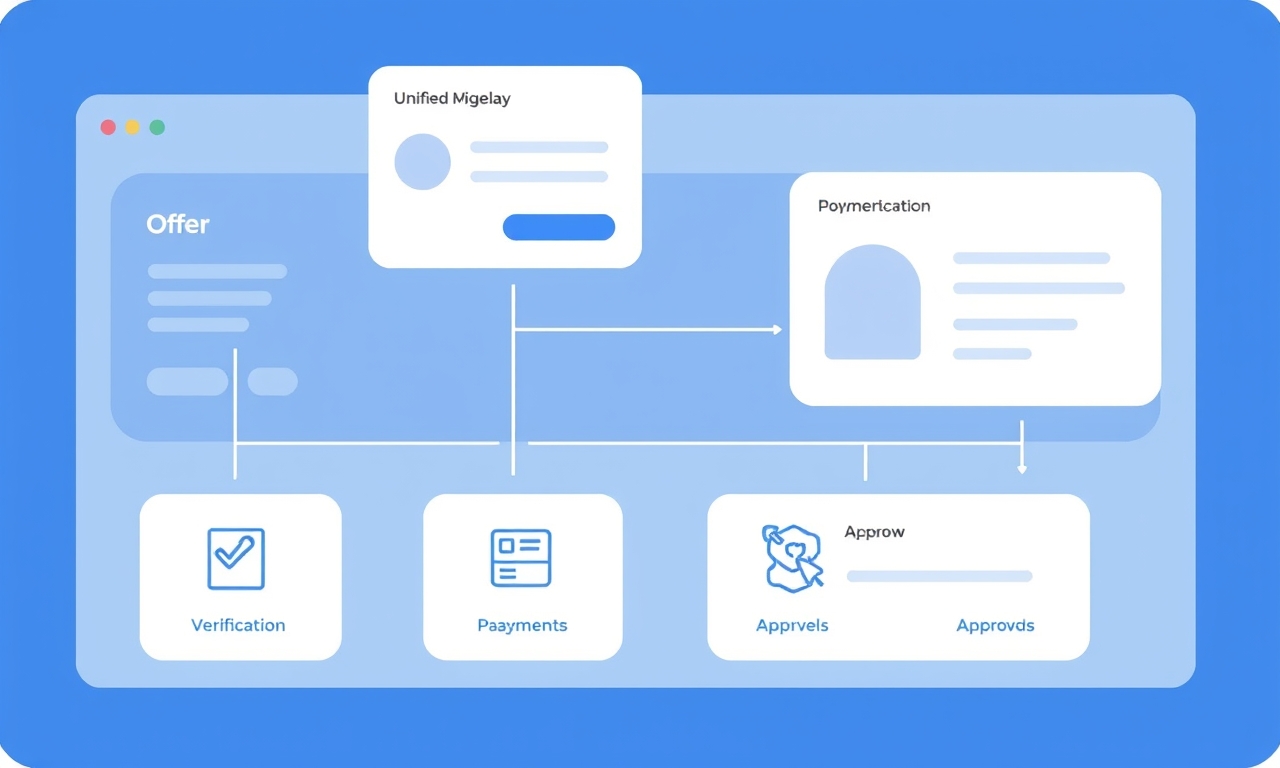
A unified platform changes everything. From offer to approval to payment, everything lives in one place.
Here's what that looks like in practice:
- You discover a creator using the platform's filters.
- You send a structured offer with clear deliverables and deadlines.
- The creator accepts. The platform handles the contract.
- The creator uploads content for approval.
- You review and approve within the platform.
- Payment releases automatically via escrow.
No emails. No spreadsheets. No chasing.
The most underrated feature in 2026? Approval workflows. Most platforms let you discover creators and pay them. Few handle the messy middle — the back-and-forth of content review, revisions, and sign-off. That's where the real time savings are.
How to Evaluate a Platform in 30 Minutes
Most platforms look good in a demo. The polished slides. The smooth talking sales rep. The impressive case studies.
Then you try to actually use it, and it falls apart.
Here's a practical checklist. Spend 30 minutes testing these three things:
Step 1: Test the discovery filters
Can you find a micro-creator in a niche industry? Try searching for "vegan recipe creator with 5,000-20,000 followers in Germany." If the platform can't handle that, it's not ready for real-world use.
Look for filters beyond basic demographics. Can you filter by engagement rate? By audience age range? By past brand collaborations? The more specific the filters, the better the platform.
Step 2: Simulate an offer-to-approval flow
How many clicks does it take to send an offer? Can you customize the terms? What happens when the creator accepts? Can you approve content inline, or do you need to download and re-upload?
The best platforms make this flow in under five clicks. If it takes more than ten, the platform is adding friction, not removing it.
Step 3: Ask about payment terms and escrow security
This is the big one. How does escrow work? Who holds the funds? What happens if there's a dispute? How quickly do creators get paid?
Don't accept vague answers. Ask for specifics. If the platform can't explain their payment process clearly, that's a red flag.
The surprise insight: Most platforms look good in a demo but fall apart when you try to do a real workflow. Ask for a sandbox account. Test it with a real campaign. Don't rely on a slide deck.
Common Pitfalls When Adopting an Influencer Platform
1. Choosing based on creator count alone
A platform with 10,000 unverified creators is less valuable than one with 500 verified, vetted creators. Quality over quantity applies here more than anywhere else.
The problem is that platforms with huge creator databases look impressive. But if half those creators are inactive or fake, you're just scrolling through noise.
2. Ignoring the platform's payment terms for creators
Here's something most people don't realize: Even if you pay the platform quickly, the platform might pay creators on net-60 terms. That means creators wait two months for their money.
If you want to attract top talent, ask about the platform's payment terms for creators. If they're slow, creators will avoid your campaigns, even if you're ready to pay.
3. Assuming the platform handles legal compliance
Most platforms do not automatically enforce FTC disclosure rules. They don't manage rights and usage licenses. They don't handle contract disputes.
That's still on you. Read the fine print. Understand what the platform handles and what you need to manage yourself.
The Future (Late 2026 and Beyond): Platform Interoperability
The next big shift is already happening. Brands are demanding that platforms integrate with their existing tech stack.
No more manual CSV exports. No more copying data from one system to another. Brands want campaign data to flow directly into their CRM, their analytics tools, their project management software.
By 2027, expect platforms to offer open APIs and data portability. The winners will be platforms that play well with others. The losers will be walled gardens that lock your data in.
The rise of "creator CRM" as a standalone category is also coming. Brands want to track relationships over time, not just campaign by campaign. They want to know which creators performed well, which ones they've worked with before, and which ones are worth re-engaging.
Platforms that integrate with CRM and project management tools will win. Those that don't will struggle.
Conclusion: Choose the Platform That Respects Both Sides of the Marketplace
Here's the bottom line. In 2026, the best influencer marketing platforms are built on three pillars:
- Trust — Real verification, escrow-backed payments, structured offers.
- Speed — Fast offer-to-payment cycles that attract top creators.
- Workflow — Unified systems that eliminate administrative waste.
Don't get distracted by flashy features. Don't fall for AI hype. Focus on the fundamentals.
Start with a small test campaign. Don't try to migrate everything at once. Pick one campaign, run it through the platform, and see how it feels. If the platform reduces friction and builds trust, scale from there.
The right platform makes both sides of the marketplace happy. Brands get reliable, vetted creators. Creators get fast, secure payments. Everyone wins.
Frequently Asked Questions
How does escrow work in an influencer marketing platform? Escrow holds payment in a secure account until the creator delivers the agreed content. Once you approve the content, the platform releases the funds. If the creator doesn't deliver, the money returns to you.
Can I use an influencer platform for a one-time campaign, or is it only for ongoing programs? Most platforms support both. One-off campaigns work well for product launches or seasonal promotions. Ongoing programs benefit from relationship tracking and repeat workflows.
What happens if a creator doesn't deliver the content as agreed? With escrow, you don't pay until you approve the content. If the creator fails to deliver, you can cancel the offer and get your funds back. Always check the platform's dispute resolution process.
Do influencer platforms work for B2B brands, or are they only for consumer goods? Yes, they work for B2B. Look for platforms that support niche industries and allow detailed audience targeting. B2B campaigns often require smaller, more targeted creator lists.
How do platforms protect my brand's data and campaign strategy? Reputable platforms use encryption and access controls. Read their privacy policy and terms of service. Ask about data ownership — some platforms claim rights to campaign data. Know what you're agreeing to.
Further Reading
- Influencer Marketing Hub 2026 Benchmark Study — Industry data and trends
- Influqa Blog — More insights on creator campaigns and platform best practices
Ready to stop chasing creators and start building real partnerships?
Explore Influqa's platform and see how a unified workflow can transform your influencer campaigns. Start with a small test — no full migration required.